Tuition and fees are assessed based on the number of credit hours of enrollment, Ohio residency and program.

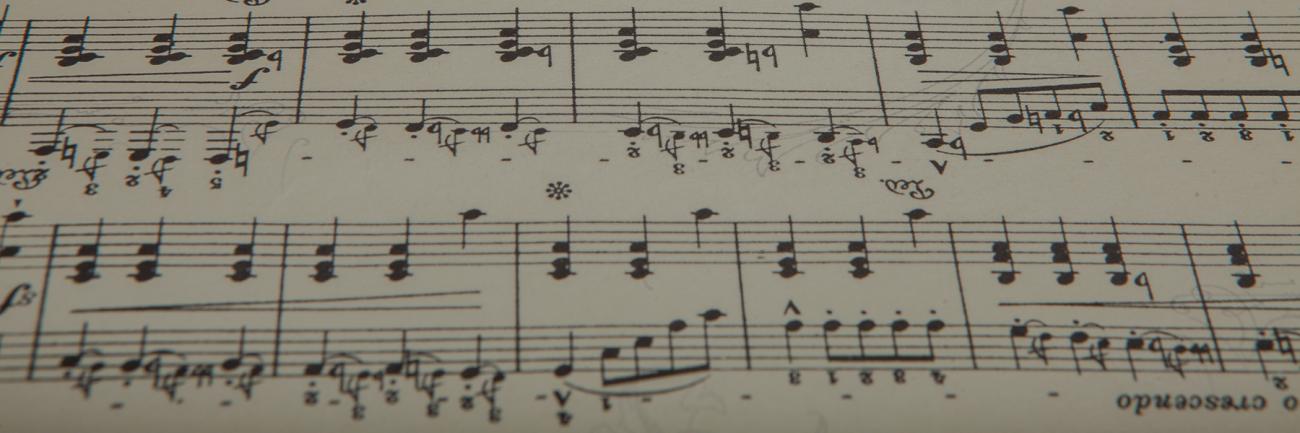
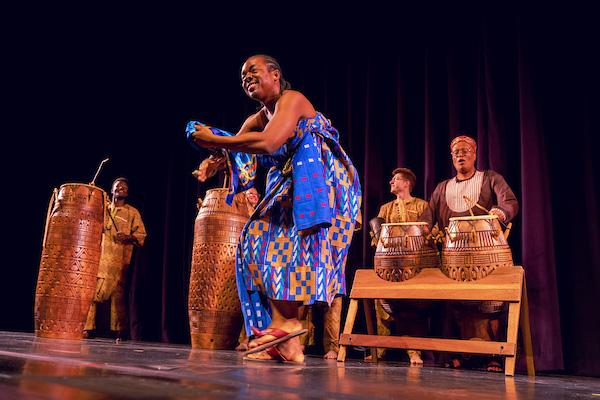
In addition to an emphasis on Historical Musicology, our Music History and Literature graduate degree includes studies in contemporary music of the 20th and 21st centuries as well as units in Ethnomusicology and world music.
Contextual readings in this Master of Music degree give cultural and aesthetic perspective, and emphasis on research and writing in music encourages creativity and publication on subjects of special interest to the student. The ultimate collective objective is to develop within the student a broad contextual knowledge within which oral and written discourse on specific issues at a high academic level is possible.
Students applying for entrance into the Master of Music program in music history and literature should submit an original, scholarly paper on a topic related to the proposed major field of study.
The applicant must have completed an undergraduate degree in music with at least a 3.0 cumulative average. The GRE may be considered in evaluating the applicant’s academic record. Additionally, the applicant music submit an original, scholarly paper on a topic related to the proposed major field of study. This research paper of approximately 2000 words should discuss or describe musical style, composition, philosophical or aesthetic issues in music history. A personal interview with a member of the Music History faculty is required.
Please review information about Ohio University's minimum English Language Proficiency requirements for graduate study.
School of Music Graduate Auditions & Admissions
This program permits full-time enrollment in residence at Ohio University, and an I-20 may be issued based on admission to this program.
The School of Music at Ohio University offers a variety of musical ensembles designed to meet the educational and artistic needs of our majors, and also qualified students from other academic disciplines who wish to continue their involvement in music performance.
School of Music large ensemble offerings include choral groups, symphony and campus orchestras, three symphonic bands, two jazz ensembles, and the marching band. The Opera Theater presents at least one main stage production each year as well as a recital of opera scenes.
In addition to the large performing ensembles, students may choose to participate in small mixed groups including the New Music Ensemble, jazz combos, and various woodwind, brass, and string chamber ensembles. Smaller vocal ensembles are often formed from within each choral group. Like-instrumental ensembles such as Flute Choir, Clarinet Choir, Saxophone Quartets, Brass Quintets, Trumpet Ensemble, Trombone Choir, Tuba/Euphonium Ensemble, Percussion Ensemble, and Jazz Percussion Ensemble are also available to interested students.
Ohio University's premier concert and performance series, organized by the Division of Student Affairs, and hosted in venues across campus, while primarily staging concerts and events at the Templeton-Blackburn Memorial Auditorium.
The Performing Arts series is home to a wide variety of arts and entertainment, from Grammy-award winning Kenny G and South Africa's Ladysmith Black Mambazo to the Wizard of Oz play and country singer Sara Evans. The Memorial Auditorium and Stuart’s Opera House host some of the University and community’s top shows, acts, and events. We also host a regular film series and an acoustic showcase for movie and music buffs alike.
Tuition and fees are assessed based on the number of credit hours of enrollment, Ohio residency and program.
To learn more about loans, scholarships and grants, visit Ohio University's Office of Financial Aid & Scholarships.
Explore funding resources obtainable by graduate students at Ohio University at Graduate Student Financial Support.
View Courses & Requirements in the Official Academic Catalog
The Master of Music in Music History and Literature program of study includes a variety of course offerings that enables graduate students to design a program suited to their individual professional needs. Courses include historical periods, musical literature, music theory, and a language requirement.
Culminating Experience: All Music History students must both successfully complete a comprehensive oral examination and successfully defend a thesis on a topic approved by the graduate chair and advisory committee.
Faculty members in the School of Music offer graduate seminars in these areas of study.





If you'd like more information about the music history program, reach out to Division Chair Dr. Garrett Field, Associate Professor of Ethnomusicology/Musicology, at fieldg@ohio.edu.