April 7, 2026
Father set example for alumnus to follow
Jay Grider, D.O., was raised on the principles of an earlier era of medicine.

By Nicholas Wood
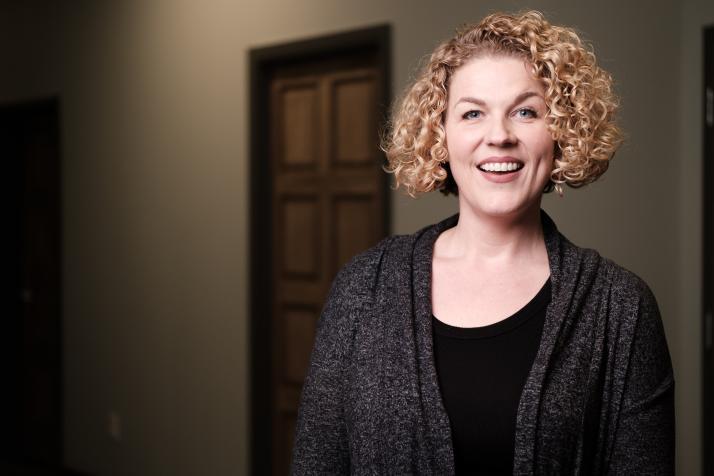
Paige Gutheil, D.O., has always had the heart of a teacher.
As a child, she was inspired by the influential role her parents played in her community, educating those they saw in their family medical practice. As a teenager, she remembers sketching diagrams on a white board when explaining things to her basketball teammates, “even if it was a social story,” she laughs. Later in her life, Gutheil recalls pivoting from a potential career in international business to a career in medicine, guided by her realization “what better thing to teach people about than their health?”
Today, this call to educate is manifest in her role as an assistant clinical professor at Ohio University’s Heritage College of Osteopathic Medicine and as the owner of a direct primary care clinic—GOZA Wellness—where she offers patients comprehensive, personalized health care, with a special focus on women’s hormone health and menopause.
“It feels like I’ve been able to forge a really unique path,” said Gutheil. “And that feels really good to me.”
Like any good educator, the driving force behind Gutheil’s work boils down to one thing: philosophy.
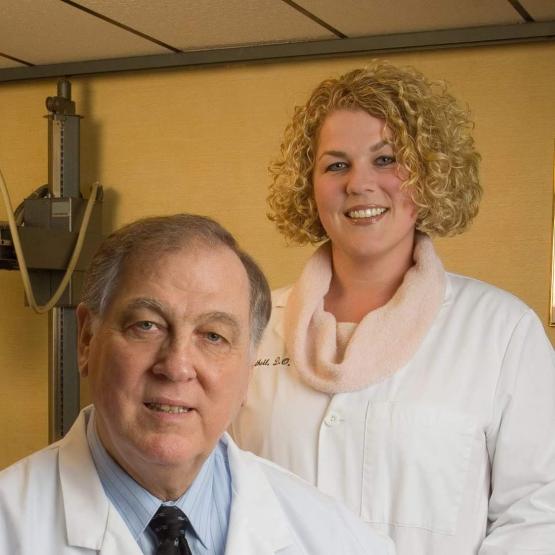
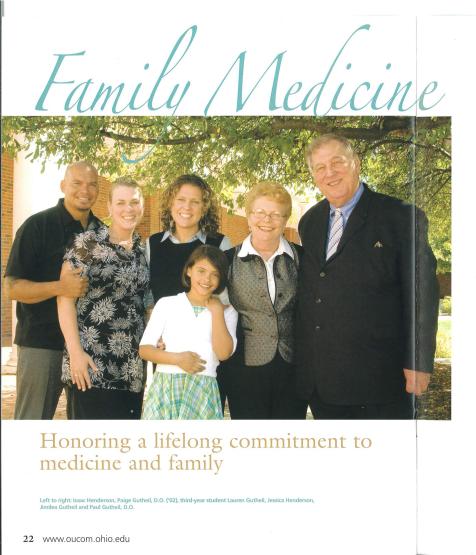
The osteopathic philosophy is something she was exposed to from an early age. Her father, a graduate of Kirksville College of Osteopathic Medicine, the world’s first osteopathic medical school, was a staunch advocate for the necessity of holistic health care. He embodied this in his patient interactions, but beyond the clinic as well, as a vocal proponent of Ohio House Bill 229—the bill that, when passed in 1975, led to the establishment of Ohio University’s College of Osteopathic Medicine.
“I remember hearing the stories of him being at the State House when the bill was approved, and everybody erupting into cheers,” recalls Gutheil.
Over two decades later, Gutheil attended OHIO’s College of Osteopathic Medicine to become a family medicine physician.
“I didn't really know any other type of medicine than family medicine, that's what called to me,” she said. “All over body medicine just seems so common sense to me, why just focus on one area when the body's all connected, right? That philosophy really was so ingrained in my thinking.”
This philosophy is also what drove her to train at OhioHealth Doctors Hospital, the first osteopathic healthcare institution in Central Ohio and one of the largest osteopathic training hospitals in the country. It was an opportunity to immerse herself in osteopathic care, forge relationships with potential future colleagues and specialists she would refer to and become established in the patient pool she would someday serve.
“It felt like a specialized residency, they really tailored our residency experience,” said Gutheil, “I knew I wanted to stay in central Ohio, and it made sense to train in an area where I could develop those relationships.”
After graduating from OHIO in 2002, Gutheil eventually went on to work alongside her father at his private practice. When she first joined in 2005, she remembers her father operating a clinic where patients virtually had constant access to their physician—when someone needed to be seen, he’d always find a way. Now, in a world where health care systems push for 15-minute office visits on top of increasing constraints created by insurance companies, Gutheil acknowledges how truly unique her father’s clinic was, and how unfortunate that is.
“People were just used to just calling and coming in to see him the same day or the next day, people that he saw for literally 40 years,” she said. “It saddens me sometimes that, now, medicine is very transactional. I know people that have better relationships, more healing relationships, with their hairdressers than they do with their doctor.”
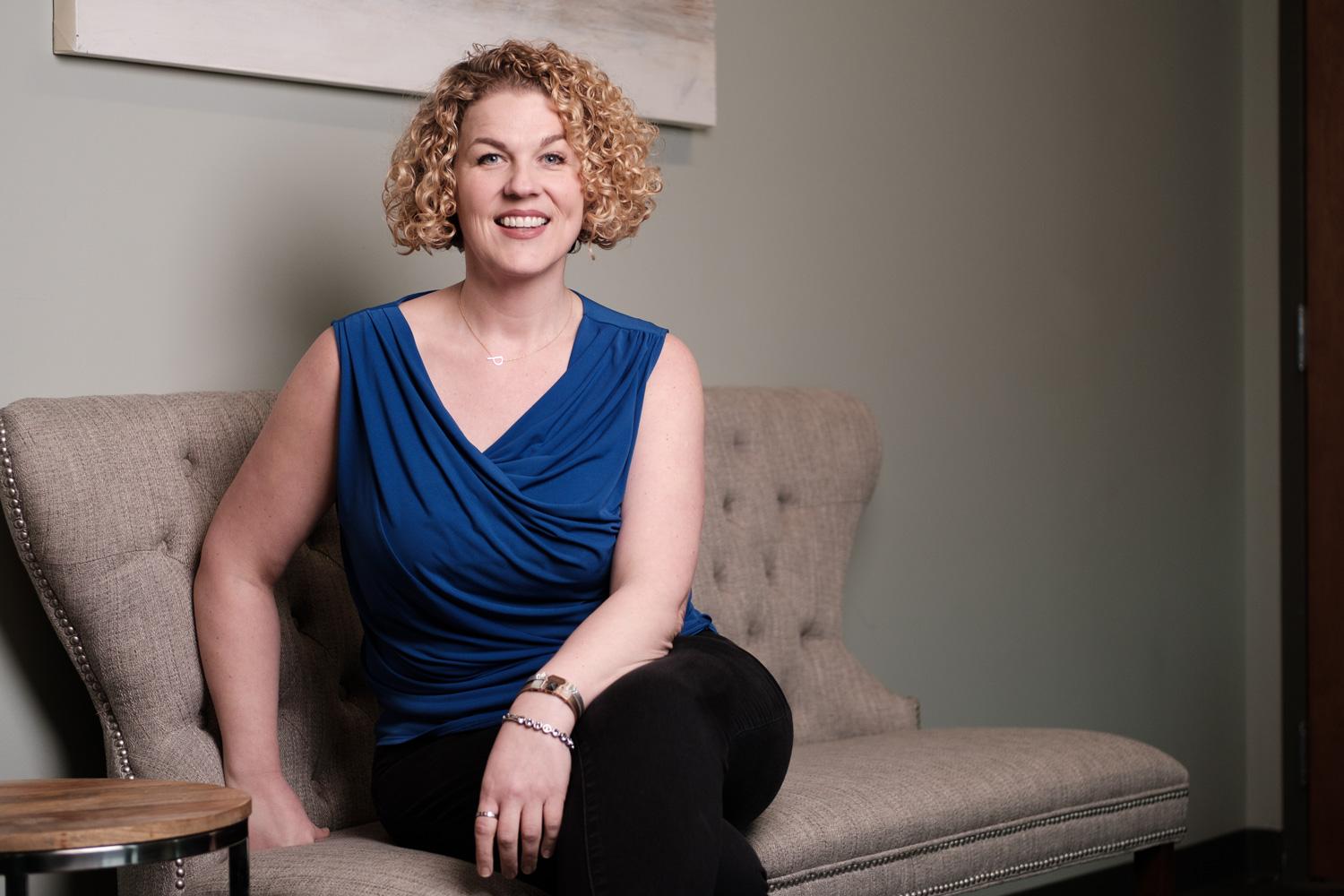
Rather than accept a status quo that’s inconducive to her values as a caregiver, however, Gutheil decided to take matters into her own hands and start her own clinic. In 2018 she founded Signature Primary Care and Wellness (and since rebranded to GOZA Wellness) with the goal of cultivating a practice that places a greater emphasis on meaningful patient interactions: “There is a healing power in hearing a patient’s story,” Gutheil said. “You have to be able to hear everything that's going on with the patient to connect the dots.”
Menopause care has grown to become one of her specialties not only in response to the needs of her patient pool, but also in an effort to update approaches to women’s health care to reflect current, underrepresented research and data on best practices.
“Women's hormonal health is the most osteopathic concept I can think of,” said Gutheil. “Hormones affect the whole body, and so when women experience this huge hormonal transition, it affects their emotions. It affects their cognition. It affects their physical body system. It affects their relationships. It affects their sense of purpose, their spirit—it's a huge transition to dig into with women.”
All these experiences carry over into Gutheil’s perspective as an educator. She relishes the opportunity to impart onto first and second year medical students at Heritage College’s Dublin Campus not only the skills necessary to provide the patient-centered, holistic care her career is built on, but also guide them to understand themselves—and their own philosophy—on a deeper level.
“I often tell students that their success is directly proportional to their willingness to delve into their own personal development,” she said. “How well do you communicate? How well do you regulate your emotions? How well do you take care of your own health?”
If hundreds of students leave her classroom each year thinking about those questions, she considers that a success.
“Anybody can teach you how to wear your stethoscope the right way,” she said. “But those foundational concepts about how you live and practice medicine—that’s what I’m passionate about.”
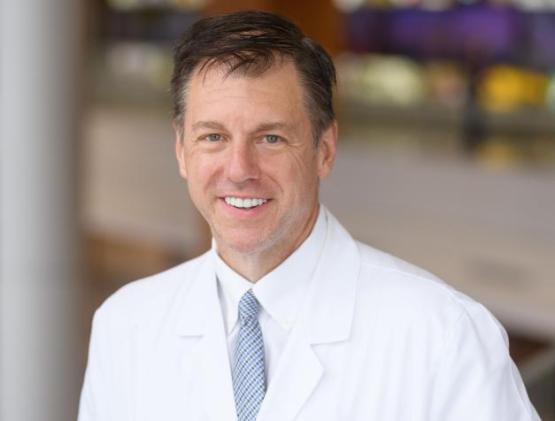
Jay Grider, D.O., was raised on the principles of an earlier era of medicine.
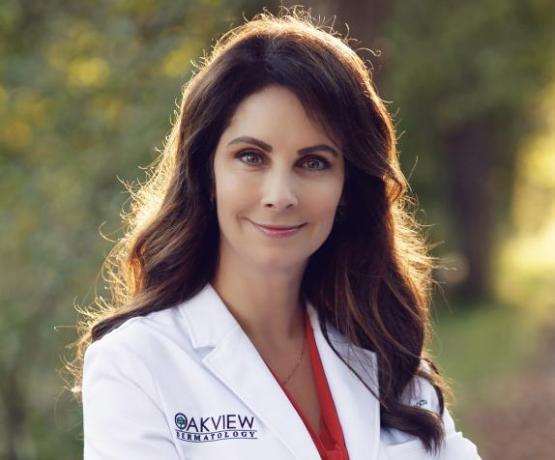
Dawn Sammons, D.O., didn’t set out to build a multi-state network of dermatology clinics. But when opportunity knocks, she’s never been afraid to step through the door.
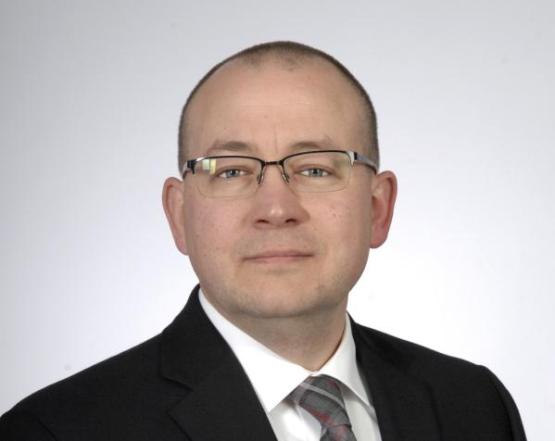
As the vice chair of education within Cleveland Clinic’s Primary Care Institute, Douglas Harley, D.O., is a man who wears many hats.