April 7, 2026
Opportunities lead to success for alumna
Dawn Sammons, D.O., didn’t set out to build a multi-state network of dermatology clinics. But when opportunity knocks, she’s never been afraid to step through the door.

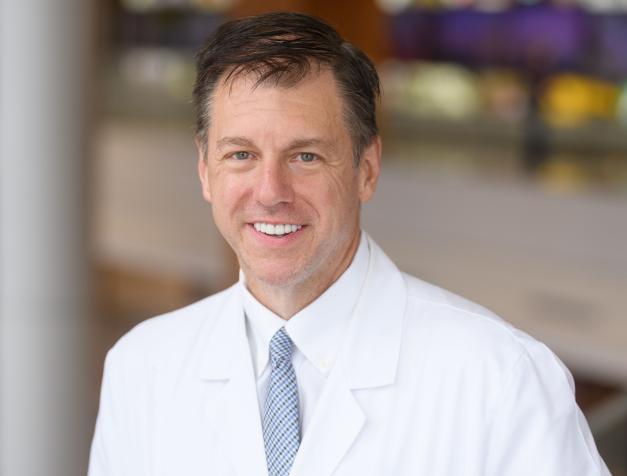
Jay Grider, D.O., was raised on the principles of an earlier era of medicine.
His father was an “old school” osteopathic physician, trained in manipulation in the chiropractic and osteopathic tradition. He studied medicine, as Grider puts it, “before Watson and Crick discovered DNA,” and practiced in Kentucky for several decades. Witnessing his father’s commitment to OMM inspired Grider to become a D.O. as well, and his work ethic, in particular, was a powerful model for his son.
“One of the things he used to say was ‘do what’s right, do it consistently, show up with a good attitude, and be grateful,’” said Grider. He adds, with a grin, that his father would also remind him “not to take yourself too dang seriously,” something, he admits, he’s never really struggled with.
This mindset is something Grider has carried with him throughout his career, finding that “people typically are successful when they do that.”
If that’s the case, he’s living proof.
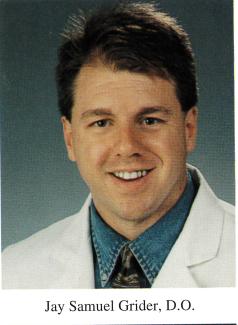
After graduating from Ohio University’s College of Osteopathic Medicine in 1999, Grider went on to train in anesthesiology before building a career in interventional pain medicine. While his clinical work remains a central part of his identity, his career has expanded far beyond the operating room. Much of that growth, he said, came from a willingness to step into opportunities others might pass up.
Early in his career, after his fellowship mentor was abruptly dismissed, Grider was asked to take over the pain program at the University of Kentucky (UK), a program so small that it consisted of little more than himself.
“People would say, ‘Congratulations,’ and I was like, ‘Well, it’s just me,’” he said.
Eventually, however, by applying new operational strategies and rethinking how the clinic functioned, he successfully transformed it into one of the health system’s strongest performers—setting him on the path to health care leadership.
At UK HealthCare, Grider has overseen clinical operations, addressed quality and financial challenges and helped guide the organization’s transformation from a small academic center into a major regional health system.
“I ran it like I would have owned it,” he said. “And they just kept putting me in charge of this or that.” Currently serving as President of the Hospitals at UofL Health these principles still guide and thinking and process.
Even as his responsibilities grew, Grider maintained a commitment to continuously learning and contributing to his profession. While in medical school, he earned a Ph.D. in physiology and pharmacology, and today, he continues to publish work for several national medical societies, serves as an editor for a medical journal and serves on multiple editorial boards.
“I don’t think being successful is about doing this huge amount more than everyone else,” said Grider. “It’s just consistently doing five percent more than the average person is willing to do.”
Guided by those principles, Grider has shaped a career defined not by a single achievement, but by a sustained commitment to growth, service and doing the work that others might overlook.
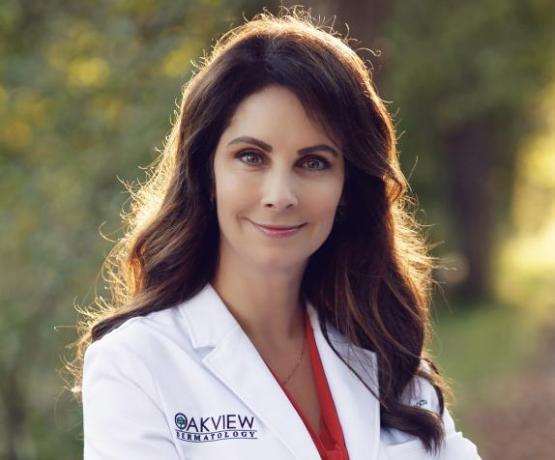
Dawn Sammons, D.O., didn’t set out to build a multi-state network of dermatology clinics. But when opportunity knocks, she’s never been afraid to step through the door.
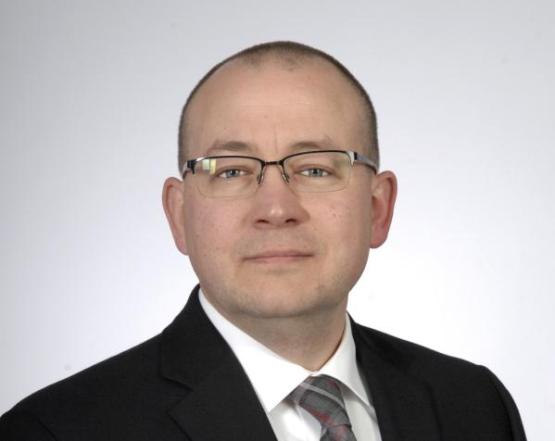
As the vice chair of education within Cleveland Clinic’s Primary Care Institute, Douglas Harley, D.O., is a man who wears many hats.
Paige Gutheil, D.O., has always had the heart of a teacher and in college, decided there was no better place to teach than medicine.