April 7, 2026
Father set example for alumnus to follow
Jay Grider, D.O., was raised on the principles of an earlier era of medicine.

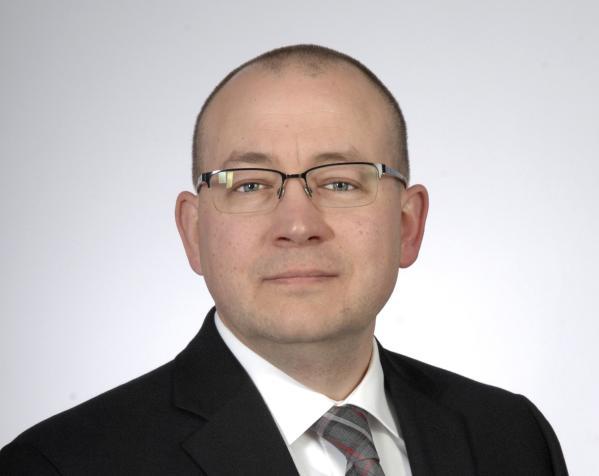
As the vice chair of education within Cleveland Clinic’s Primary Care Institute, Douglas Harley, D.O., is a man who wears many hats. On a day-to-day basis, he balances mentoring residents with leading system-wide efforts to improve medical education, integrating cutting-edge technologies into patient care and strengthening clinical practices across the Cleveland Clinic network. The role most crucial to his success, however, has always been his work as a practicing physician, something he says keeps him grounded in the realities of patient care and connected to every level of the system he helps lead.
“No matter what level of leadership you are, you still provide patient care,” said Harley. “It keeps you grounded in the processes of what it is like to be a physician, to be a caregiver.”
That perspective has shaped Harley’s career from the very beginning.
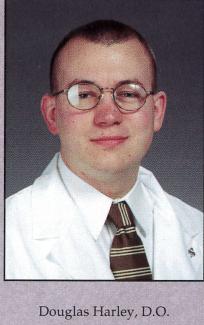
Growing up in western Pennsylvania, Harley was first exposed to health care through his father, who worked in emergency medical services and helped manage 911 response systems in their community. He later sought out clinical experience prior to medical school, volunteering in a local hospital and arranging a shadowing experience with an osteopathic physician as an undergraduate. That experience in particular is what introduced him to the hands-on philosophy of osteopathic medicine, helping solidify his path forward.
After graduating from Ohio University’s College of Osteopathic Medicine in 2002, Harley pursued family medicine, drawn to the opportunity to build long-term relationships with patients and care for them across every stage of life.
“It was really about the ability to take care of people from birth to death,” he said.
Today, that continuity often extends across generations. Harley cares for multiple members of the same families—sometimes spanning three or four generations—allowing him to understand not just individual patients, but the broader contexts that shape their health. Much of Harley’s patient population now consists of older adults, many managing multiple chronic conditions at once. For him, that complexity is part of what makes the work meaningful.
“It takes a little bit more of the art of medicine,” he said. “It’s not A plus B equals C… there are a lot of variables that come into play.”
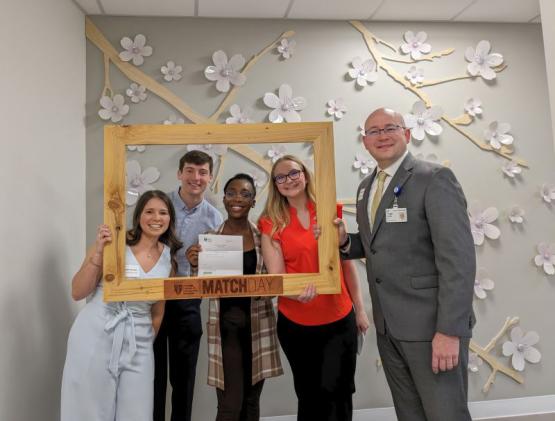
That same mindset carries into his work as an educator and leader. At Cleveland Clinic, Harley helps oversee training and development for hundreds of residents, physicians and advanced practice providers across the system, working to ensure they are prepared not just for today’s challenges, but for what lies ahead.
A key part of that effort is leading system-wide efforts to improve medical education while integrating cutting-edge technologies into patient care and strengthening clinical practices across the Cleveland Clinic network. This includes incorporating things such as point-of-care ultrasounds in primary care settings, and understanding how artificial intelligence might be used to assist with clinical documentation, diagnosis and medical education.
“How do we stay on the forefront… and make sure that information is disseminated across the board?” he said.
But for Harley, advancing medicine isn’t confined to the clinic.
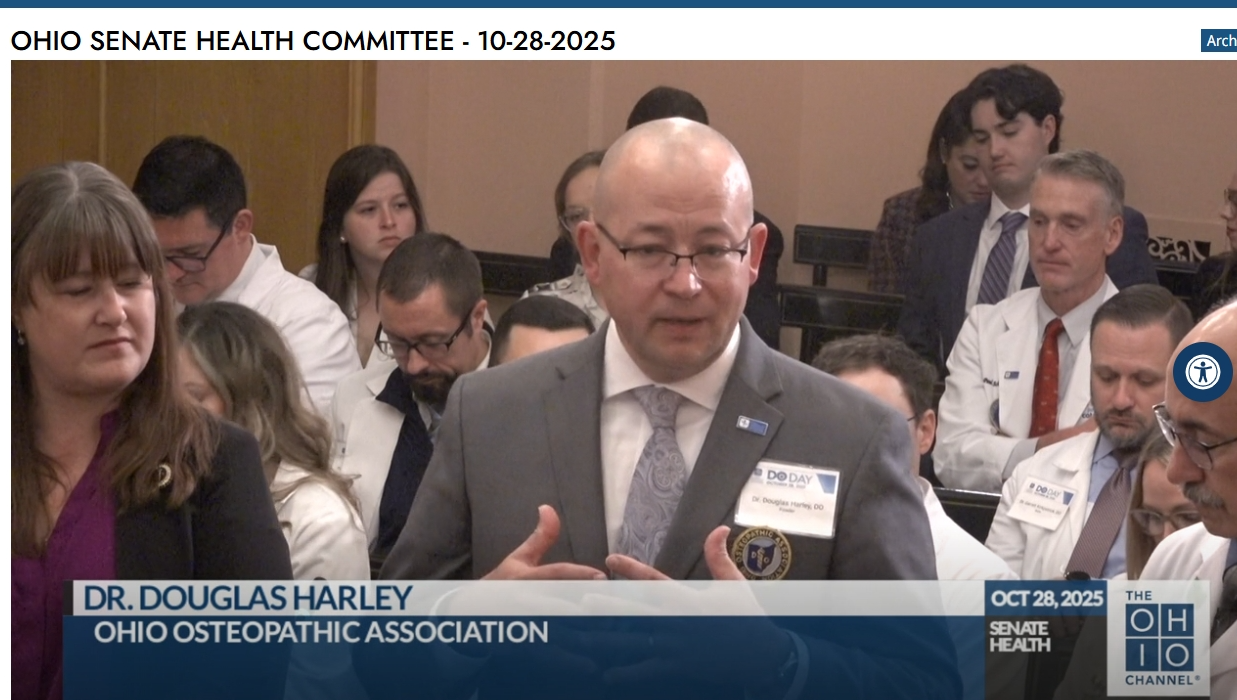
Through his involvement in organized medicine and community leadership, including serving on the board of the Akron Art Museum, he works to address the broader factors that shape health, from access to care to the social and environmental conditions that influence patient outcomes.
“It’s not just me worrying about my patients,” said Harley, “but me worrying about the community.”
Whether in the exam room, the classroom or the community, Harley’s work reflects a consistent belief: improving patient care means strengthening the systems and communities that support it.
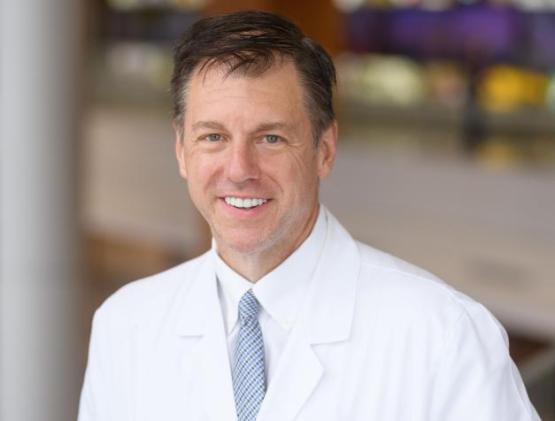
Jay Grider, D.O., was raised on the principles of an earlier era of medicine.
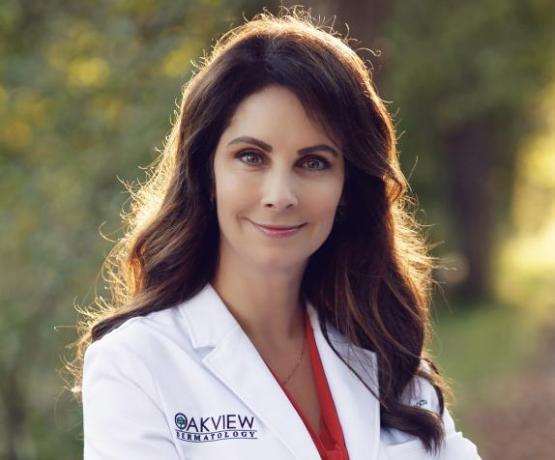
Dawn Sammons, D.O., didn’t set out to build a multi-state network of dermatology clinics. But when opportunity knocks, she’s never been afraid to step through the door.
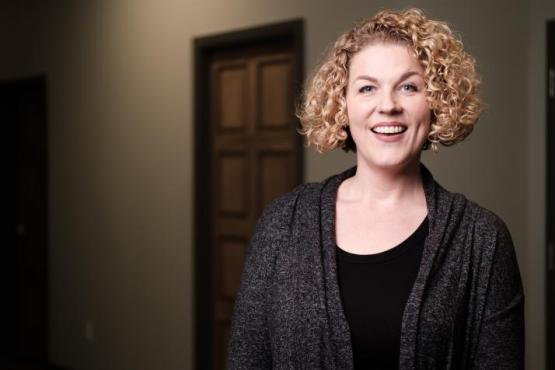
Paige Gutheil, D.O., has always had the heart of a teacher and in college, decided there was no better place to teach than medicine.