April 7, 2026
Father set example for alumnus to follow
Jay Grider, D.O., was raised on the principles of an earlier era of medicine.

By Nicholas Wood
Talking to Ohio University Heritage College of Osteopathic Medicine alumnus Mark Wagner, D.O., about his journey to becoming an osteopathic physician is less a personal narrative and more a broader, historical one.
“I’m kind of like Forest Gump,” said Wagner, with a hearty laugh.
Because for him, it’s more than a profession—it’s a legacy.
Going all the way back to the foundation of the profession, the Bowling Green resident recounts Civil War battle surgeon Andrew Taylor Still’s, early theories about ways the body could “heal itself” without overly invasive procedures. Wagner goes on to share how this led Still to establish the first osteopathic medical school in Kirksville, Missouri, in 1892, which controversially allowed women and people who were former slaves to enroll—and how, because of this, many in the medical profession questioned osteopathy’s credibility or outright refused to acknowledge it as a valid form of care delivery. Crucially, he explains how the effects of this characterization ultimately shaped the trajectory of his life.
His father, Walter Peter Wagner, D.O. (who, as it happens, attended the Kirksville College of Osteopathic Medicine), “was denied privileges at the hospital in his hometown because he was a D.O. and they did not want him on their hospital staff,” explained Wagner. “Those were people he grew up with.”
Being ostracized for being a D.O. did, however, lead Walter to Amherst, Ohio, where he joined the staff at Amherst Hospital, the first hospital in the United States to be charted as a combined staff hospital—bringing on both D.O.s and M.D.s. There, he developed a thriving practice and, as his son tells it, “that was really the genesis of osteopathic medicine in that part of the state.”
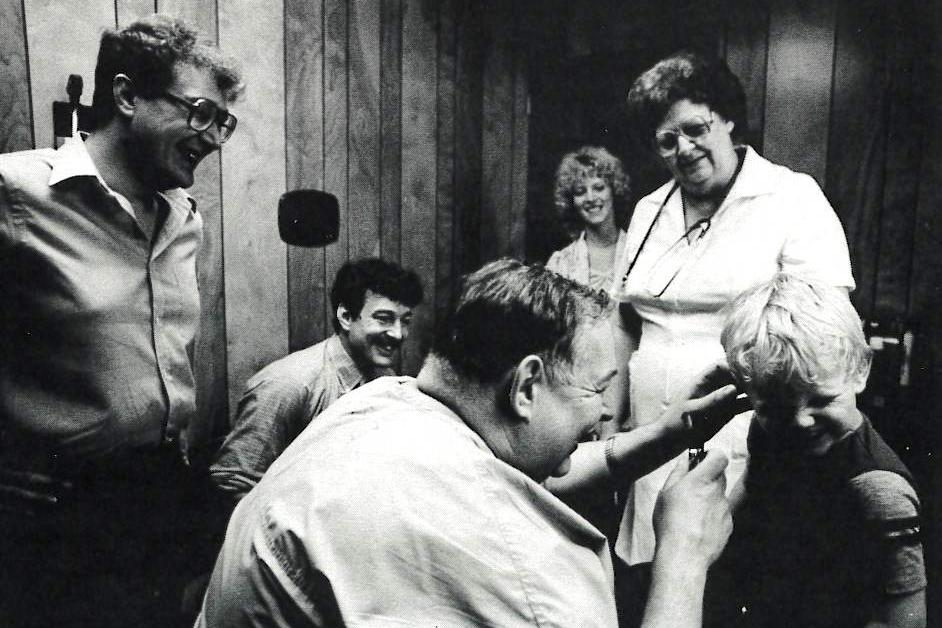
Witnessing the impact his father had on their community, and how much joy he had being a family doctor, inspired Mark Wagner to pursue the same path. In 1979, he came to the fledgling Ohio University College of Osteopathic Medicine and the rest, as they say, is history.
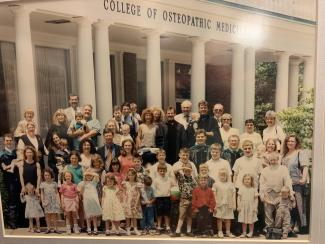
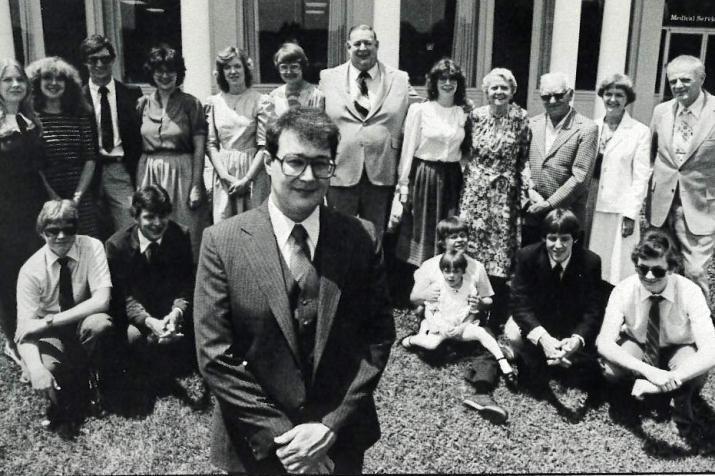
Wagner was part of the fourth class of students to come through Heritage College.
“My class size was 43 students,” he recalled. “We hung out, we studied with each other, we worried about all the things they throw at you when you’re a first-year medical student.”
Eventually (and with a little help from his younger sister, Cindy Wagner, D.O., who was a year behind him: “My sisters are smarter than I am,” he laughed), Wagner completed his studies and started practice in 1984.
At the time, the role of a family physician was much more encompassing. Wagner remembers delivering his patient’s children, participating in their surgeries and meeting them in the hospital to manage their care outside of his clinic—among the many other plates he was spinning. As years went by, however, costs for managing a private practice rose and the medical system became increasingly corporatized, creating an environment that wasn’t conducive to the patient-centered care Wagner is dedicated to providing.
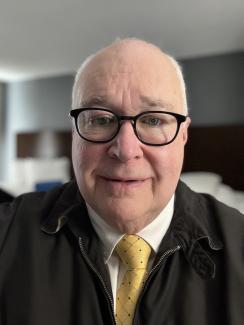
“I had an office manager who had a timer to see how much time I spent with the patient—I was told I would have maybe 15 minutes with each patient,” he said. “Of course, I spent the time with them that they needed, and the patients loved that, but the bosses and the insurance companies didn't like that.”
Eventually, he transitioned to the emergency room—an atmosphere he describes as “family practice on steroids.” There, he was able to apply the principles of osteopathic care to provide those in urgent need, as well as those otherwise without access to a primary care physician, with a welcoming, understanding environment; always with the goal of never making patients feel discouraged when it comes to reaching out for medical care.
After 20 years in this role—serving patients and working with the next generation of Heritage College students—Wagner retired in 2024. Of course, osteopathy remains central to his life as his son, nieces, nephews and several of his siblings continue to work as, or are training to be, osteopathic physicians.
“It’s a different day and age, you know, my son just started practicing medicine as a family doctor, and there’s a lot of differences there—for the better, in a lot of ways,” he said. “I mean, medicine has changed a lot, tremendously. It's evolved…and I got to see it firsthand.”
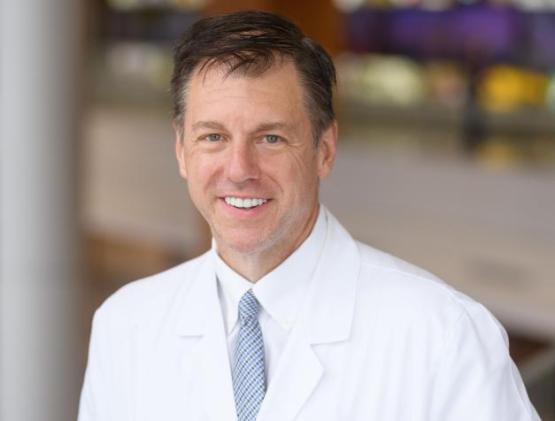
Jay Grider, D.O., was raised on the principles of an earlier era of medicine.
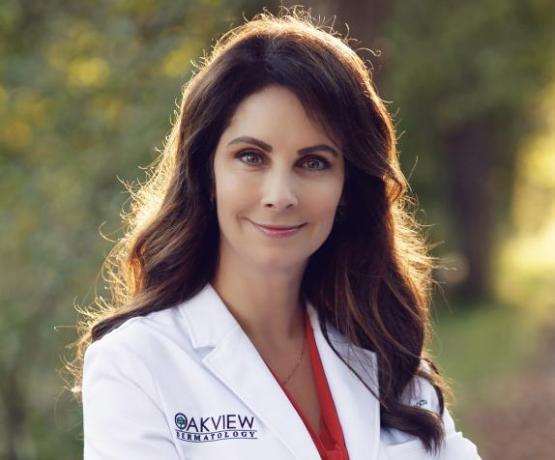
Dawn Sammons, D.O., didn’t set out to build a multi-state network of dermatology clinics. But when opportunity knocks, she’s never been afraid to step through the door.
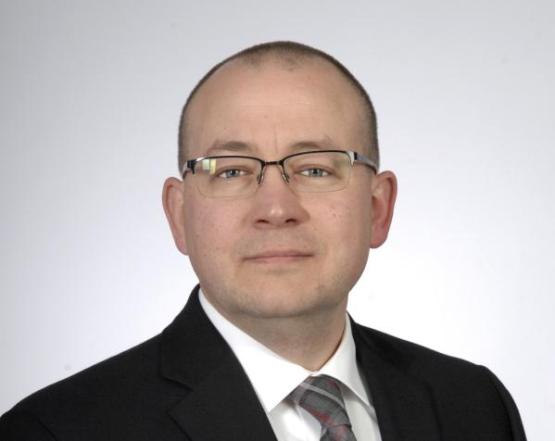
As the vice chair of education within Cleveland Clinic’s Primary Care Institute, Douglas Harley, D.O., is a man who wears many hats.