April 7, 2026
Father set example for alumnus to follow
Jay Grider, D.O., was raised on the principles of an earlier era of medicine.

By Nicholas Wood
Kodiak Island is the second largest island in the United States. Situated in the Gulf of Alaska, it is fairly remote, only accessible via the Alaska Marine Highway ferry route, or air travel. Humpback whales, orcas, Steller sea lions, king crabs and Northern sea otters make their home in the waters surrounding the island. With a population of 13,000 people and 3,500 brown bears, there’s roughly one bear for every four people on Kodiak island.
It’s cold.
It’s wet.
It’s foggy.
It’s over 4,400 miles away from Erik Reaves’, D.O., hometown of Norwich, Ohio. And living there has brought him the closest he’s felt to his roots in more than twenty years.
“I feel like I've come full circle in my career,” said Reaves.
Kodiak is home to the largest U.S. Coast Guard base, which is what brought Reaves to the island in July 2025. He was commissioned by the U.S. Department of Health and Human Services’ Public Health Service Corps to serve as a medical officer with the USCG. On a day-to-day basis, Reaves serves as a primary care physician for those on the base. Since his position is federally funded, rather than part of a profit-driven medical system (which prioritizes the volume of patients a physician sees, as opposed to the quality of care they can provide), he’s been afforded more time and space to forge productive, meaningful connections with his patients.
“When I started a few months ago…I did just a lot of socializing, chit chatting with my patients—and I loved it because I was actually getting to know them,” said Reaves. “It's also a small town, and so I see my patients and their families out in town. So, in a lot of ways, it's kind of like small-town rural medicine.”
Growing up in the village of Norwich, a small community just outside of Zanesville, Ohio, service was a value engrained in Reaves from an early age. His father served on the town council and was also a volunteer firefighter and EMT. Reaves mowed grass for public spaces around town and, later, received his EMT certification, too. Both grandfathers, his uncles and father served in the military in wartime, including World War II and the Vietnam War.
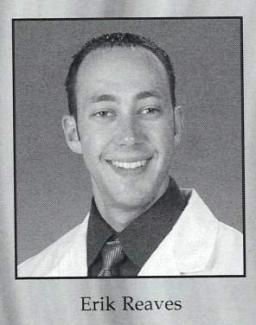
With these values in mind, a career in medicine seemed like a natural fit for Reaves, as did following in his family’s footsteps and joining the military.
“There was certainly a sort of family history of doing uniform service, so that was probably a part of it,” said Reaves. “But I always wanted to live by the ocean. So, I mean, maybe part of me also romanticized some of the Navy stuff…and I like the idea of having opportunities to move around and try different jobs.”
Reaves’ foray into uniformed medical service began in 2003 when, on the day of his graduation from Ohio University College of Osteopathic Medicine—just before the ceremony—he took his oath of office. He received a health professional scholarship from the Navy prior to beginning his medical studies that was contingent upon him joining the service once his education was complete. Once officially sworn into active duty, Reaves found himself living the life he’d always dreamed of: one filled with excitement, travel and opportunity.
He began at a base in San Diego and was eventually transferred to a ship homeported in Japan for two years, where he was the only clinician on board. He then moved to a residency in Washington, D.C., did public health work for two years in Hawaii and, later, spent three years in Peru studying emerging infectious diseases.
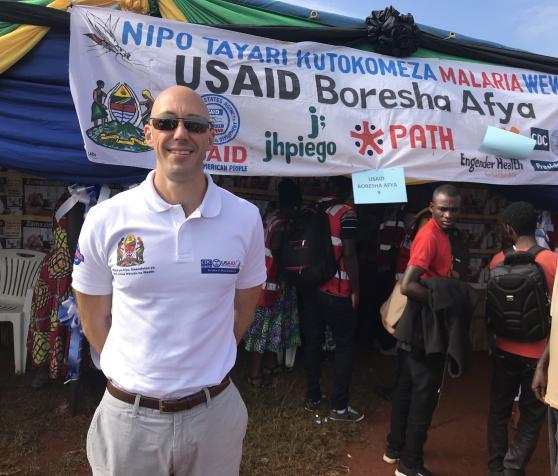
After completing this work for the Navy, Reaves transitioned to working under the U.S. Public Health Service and the Centers for Disease Control and Prevention (CDC). He began working in tuberculosis elimination at the CDC headquarters in Atlanta but later worked in global health security in Egypt for two years—before joining the President’s Malaria Initiative and moving to Tanzania for six years, then Zimbabwe for two years.
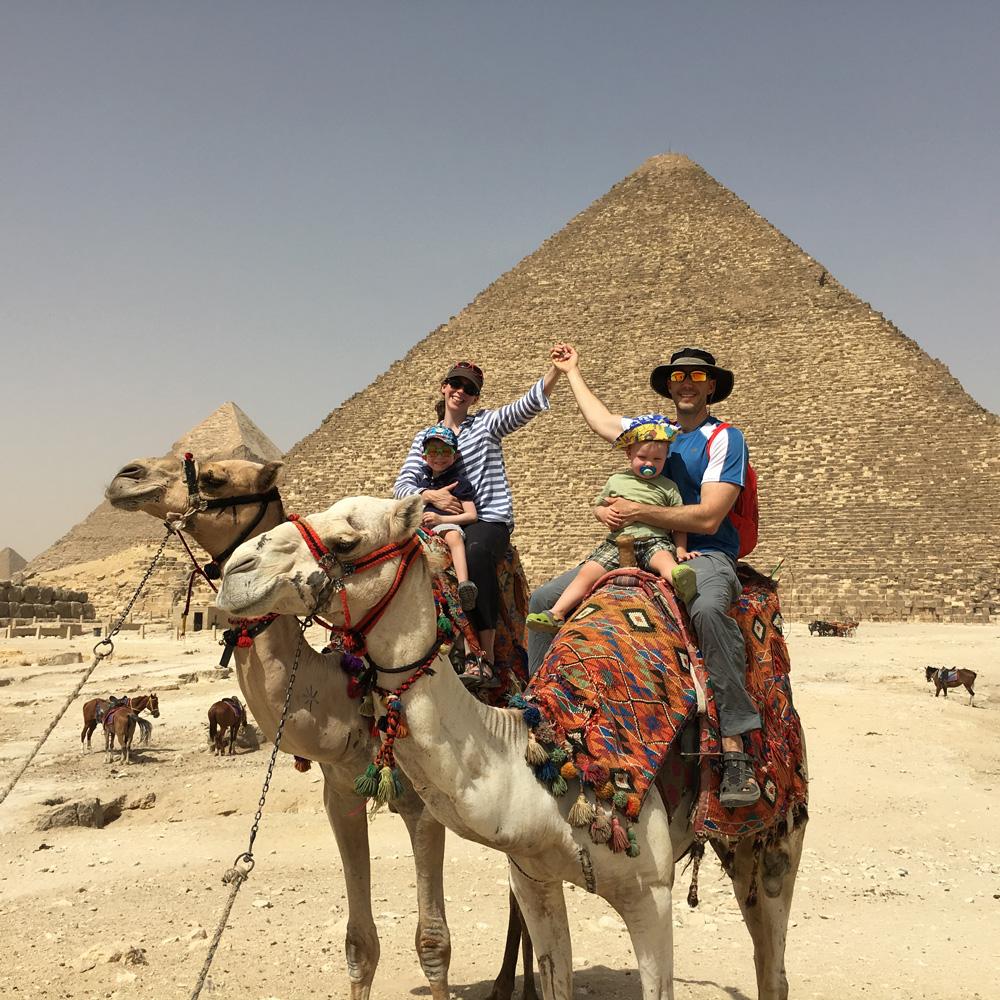
“It's been a pretty amazing opportunity to move around and try different things,” said Reaves. “Not only different jobs—like direct patient care, clinical medicine, public health and research—but also living and working among the populations that you're trying to serve, learning new cultures, new languages, different foods…medicine really afforded me the opportunity to do that.”
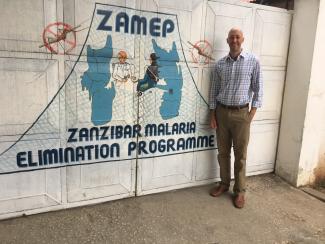
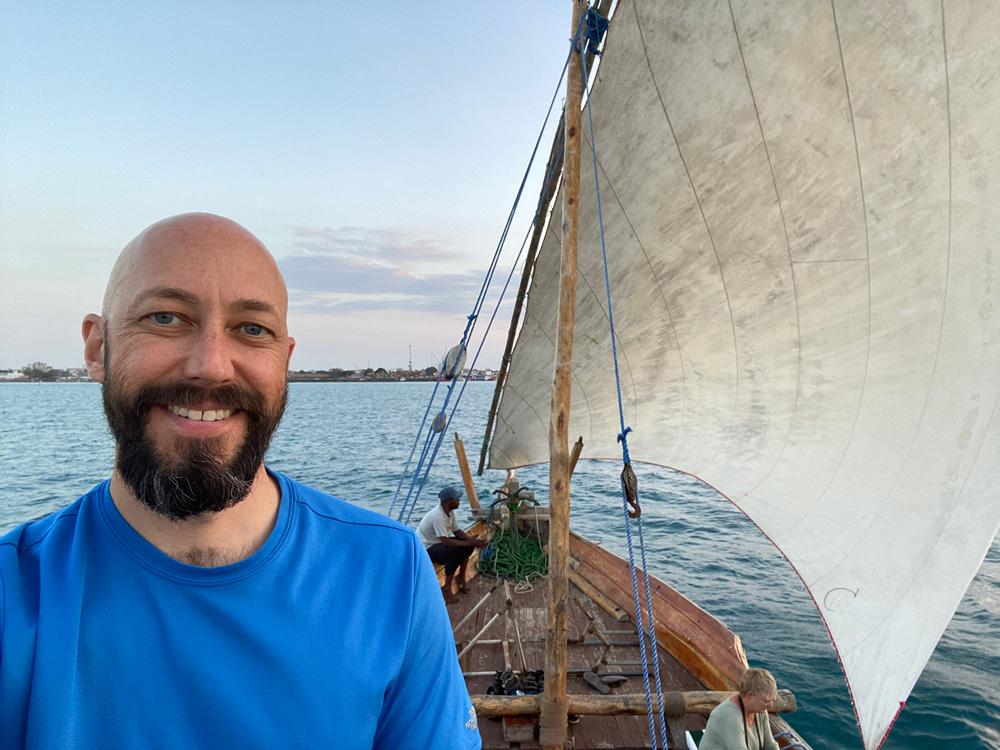
When asked which country he’d most like to return to, Reaves answers, “none of those, because I haven't seen everywhere yet.” Though, he does have fond memories in Tanzania, where he and his wife would go snorkeling with whale sharks during their summer mating season. “It was just beautiful, fantastic…when it comes to one of the ultimate experiences we’ve had, that would definitely rank up there,” said Reaves.
Reaves reflects on his time abroad fondly, the wanderlust-filled kid from Norwich in awe of all he was able to see. Unfortunately, as federal funding for global public health initiatives has been pulled under the current administration, shuttering the malaria program, he’s been forced to pivot his career.
“It's been incredibly challenging, sort of emotionally, because you're forced to uproot your career and your family in a way that took away your choice to do so,” said Reaves. “Our mission at the CDC is to make our community and those around us healthier, and the U.S. has exported that mission globally—recognizing the need for it but also the benefits to the U.S.…to have that work essentially trampled on makes you feel a little untethered, like what you do isn’t valued.”
Still, Reaves counts himself lucky that, through his position under the U.S. Public Health Service, there are opportunities for him domestically—hence, his current role with the Coast Guard.
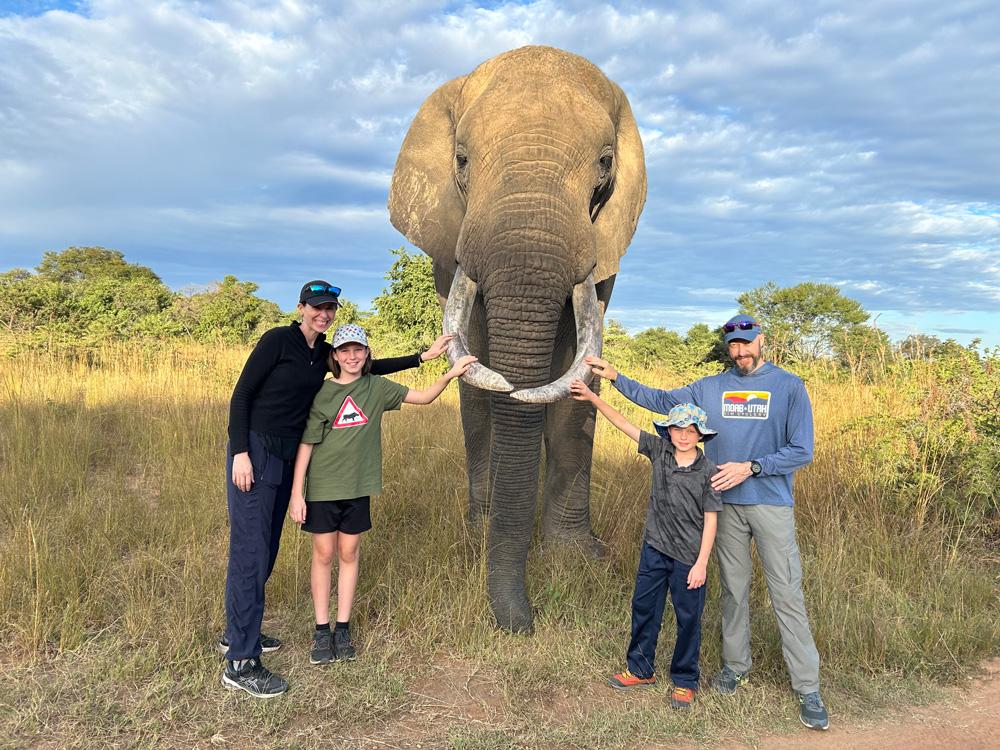
Coming back to America after over a decade abroad has been a bit of a culture shock for the Reaves family, especially his children who are entering public middle school for the first time. But in a lot of ways, returning to patient care is second nature to Reaves despite his years spent focusing on larger public health initiatives.
“I never enjoyed seeing patients this much when I was younger,” said Reaves. “I'm older, I've had a lot of life experiences, I've had kids, and I have perspective…and so I feel like I can connect with patients and be empathetic to a lot of what they're going through, make those kinds of connections and develop that rapport that I didn't have as a young clinician.”
Though he’s sure to be struck again by the urge to wander off to some new horizon, for now, Reaves is having fun in Alaska, reacclimating to life stateside and connecting to his osteopathic training.
“I feel like I've come full circle,” Reaves reiterates. “Maybe coming back home, back to my heritage."
Disclaimer: It is not the intent of Ohio University to imply an endorsement by any service branch of the U.S. Armed Forces.
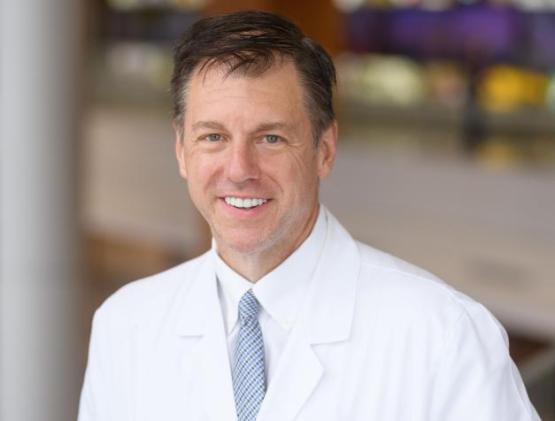
Jay Grider, D.O., was raised on the principles of an earlier era of medicine.
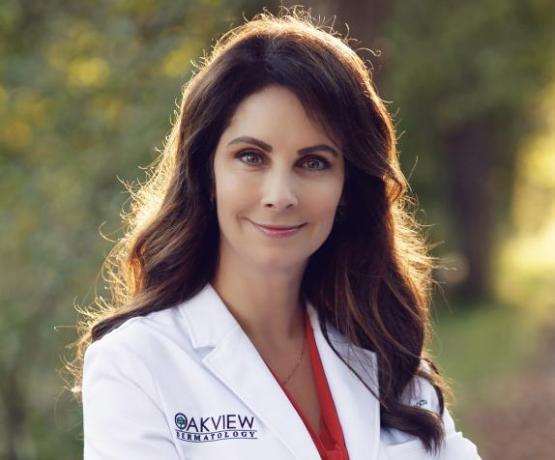
Dawn Sammons, D.O., didn’t set out to build a multi-state network of dermatology clinics. But when opportunity knocks, she’s never been afraid to step through the door.
As the vice chair of education within Cleveland Clinic’s Primary Care Institute, Douglas Harley, D.O., is a man who wears many hats.