April 7, 2026
Father set example for alumnus to follow
Jay Grider, D.O., was raised on the principles of an earlier era of medicine.

By Nicholas Wood
Tracy Karolyi, D.O., does not like talking about herself: she does not like being interviewed, and she certainly does not like to brag.
“I’m pretty boring,” Karolyi laughs. “I’ve just been working at the same practice, doing pediatrics for what’s going on 28 years.”
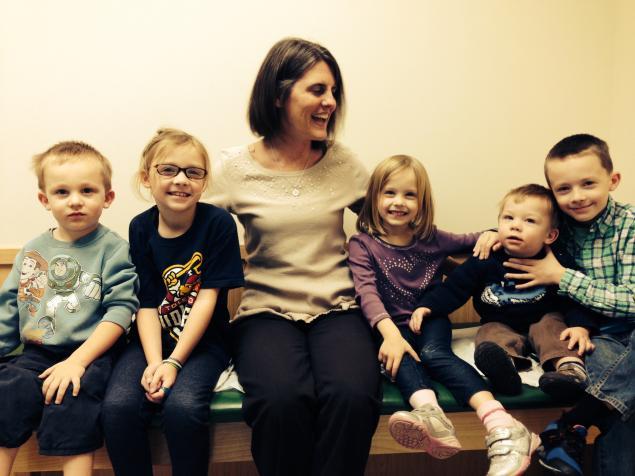
But what Karolyi humbly shrugs off as boring is anything but. By simply showing up to work—motivated and passionate—every day for her patients at Perrysburg Pediatrics, Karolyi plays an instrumental role in countless patients' lives. As a pediatrician, it is her responsibility to instill in patients a positive relationship with their health and health care from an early age; a responsibility she has never taken lightly, as evidenced by the deep bonds she forms with those she sees off into adulthood.
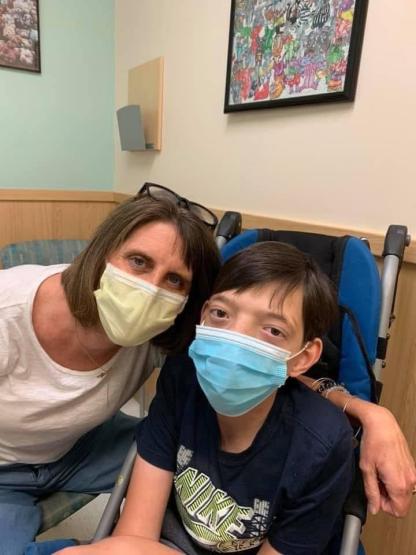
“Some of them I have to lead out by their ear lobe after they turn 21,” Karolyi jokes, but also adds, “It's hard for the parents to let go, too, especially for parents of children with special needs…there are some that I'll probably see until I retire, because who better to take care of them than the doctor that's taken care of them their whole life?”
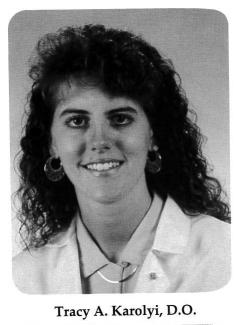
While she ultimately dedicated her career to pediatrics, growing up just outside of Toledo, Karolyi aspired to be a nurse like her mother. Her mother, however, having worked in medicine, saw her daughter’s potential—her good grades, her compassion and capacity to help others—and encouraged her to become a doctor instead.
Science was not Karolyi’s strongest suit (“gross anatomy was never my thing,” she said) so she pursued an undergraduate degree in psychology. When she applied to Ohio University’s College of Osteopathic Medicine she wrongly assumed this non-traditional background would bar her from a spot in the school’s class of 1994. She received her acceptance letter just two days after her admissions interview.
Later, as she worked her way through her classes and her residency, Karolyi discovered her passion for helping children get better and the joy of seeing them through their many phases.
“I always loved babies, but you know every age is fun,” Karolyi said, “even the two year old who is swinging at you and screaming, they're still fun…and then it's fun to watch them come walking in at the age of four and then suddenly they're your best friend.”
As the years have gone on, Karolyi has also found herself to be uniquely suited to take on the challenges of modern pediatrics, thanks to her background in psychology. More than ever, children and adolescents today are experiencing mental health conditions such as anxiety, depression and other stress-related conditions.
“We live in a really crazy world right now, what with social media and the effects of Covid,” Karolyi said. “I think that's probably the hardest part of my job, dealing with mental health concerns. It used to just be in adolescents, but now we're seeing it creep down into the pre-teen years, and a lot of it has to do with changes in our society.”
Another product of such changes is the spread of medical misinformation on social media and other online forums. Questions of vaccine safety and effectiveness as well as under-researched alternative medicine practices abound, and those in Karolyi’s position are left to parse fact from fiction.
While she admits that a crucial part of pediatrics has always been collaborating with parents when making decisions regarding their child’s health, this aspect of Karolyi’s work has grown to become more contentious.
“Unfortunately, a lot of these things have become politicized,” Karolyi said. “I always tell my parents I'm never going to recommend anything for your child that I would not give to my own child. It’s so important that the parents trust you, you have to get that rapport.”
Karolyi’s solution to these and nearly every other difficulty she comes up against in her practice, however, is rather simple: just listen. She makes it a point to collaborate with parents, hear out all of their concerns, and try to forge a path that keeps all those involved healthy, safe and happy. This also requires engaging with the children she sees on a similar level, which has opened the door to many impactful conversations—health-related and otherwise.
“At the end of the visit, I always ask the child, ‘do you have any questions for me?’” Karolyi said. “Sometimes what they say is far more important than what us adults can come up with…but I'll also never forget the six year old who looked at me and asked, ‘did you just get bangs?’”
Her philosophy of meaningfully engaging with and listening to her patients and their families has led her to form long-lasting relationships with her patients—some she’s seen grow up to become D.O.s themselves, working alongside her in Perrysburg, Ohio. Others she’s seen come full circle, bringing in their own children to see the doctor they first saw when they were growing up.
“I always tell everybody the minute somebody comes through the door and says that they were my patient, and now they're a grandparent, that's it. I'm retiring,” Karolyi laughs.
Until then, she’s happy exactly where she is: quietly leading future generations toward healthy, fulfilling lives.
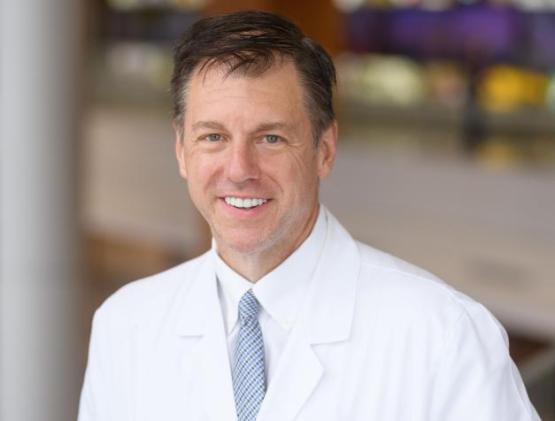
Jay Grider, D.O., was raised on the principles of an earlier era of medicine.
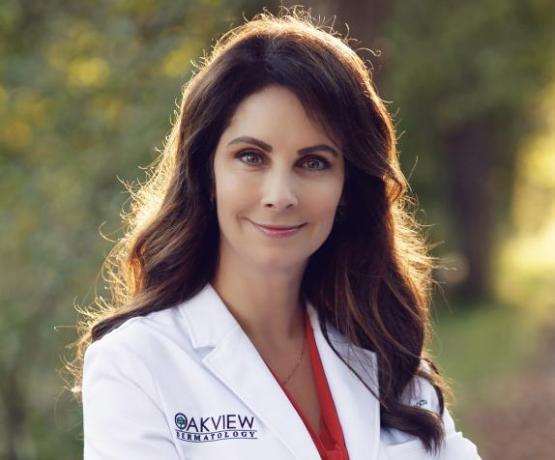
Dawn Sammons, D.O., didn’t set out to build a multi-state network of dermatology clinics. But when opportunity knocks, she’s never been afraid to step through the door.
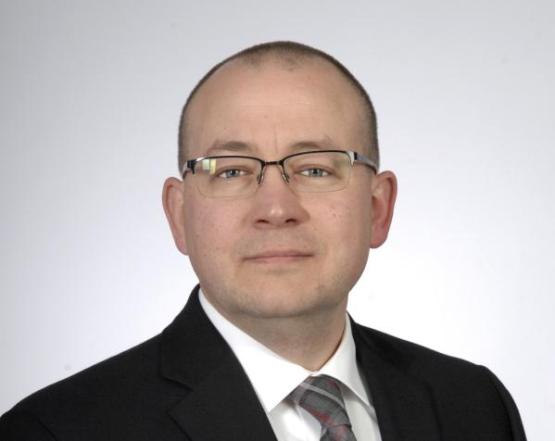
As the vice chair of education within Cleveland Clinic’s Primary Care Institute, Douglas Harley, D.O., is a man who wears many hats.