Search within:
white building at night with all the lights on
Tropical Disease Research

Tropical Disease Research

The Infectious and Tropical Disease Institute has a long history of supporting research on tropical diseases. The cornerstone of our current work is Chagas disease, but researchers at our Center for Research on Health in Latin America, jointly run with the Pontifical Catholic University of Ecuador, are also doing work in other areas related to tropical disease. Studies on Chagas include studies on life cycles, antennal phenotype, geometric morphometrics, and molecular analysis of triatomine species genetic diversity.

Improving Safety of Blood Supply

Our Center for Research on Health in Latin America in Ecuador serves as the center for a screening program we established for the blood banks of Ecuador. The program, initiated in 2003, helped establish better procedures and training within the blood service agencies in Ecuador.

Learn more

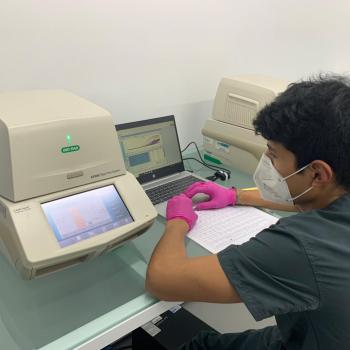
The only level III biosafety laboratory in Ecuador

Healthy Living Initiative

The Infectious and Tropical Disease Institute has worked for several years with communities in Ecuador's Loja province to combat Chagas disease, which is caused by a parasite and is spread to humans through insects. A key to the project was community education. The Healthy Living Initiative is a long-term project that aims to support the socioeconomic development of rural communities as the main tool for the control of Chagas disease in the province of Loja in southern Ecuador. With a holistic approach, this public health strategy looks to prevent the transmission of Chagas and other diseases associated with poverty by facilitating participatory processes of human development that are sustainable and sustained by the people involved.

Learn More

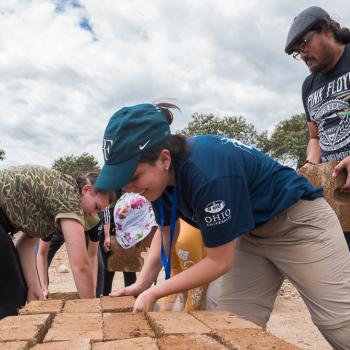
A group of volunteers moves blocks to build a house in Bellamaria Community

Pilot Chagas Disease Control Program

The project aims to reduce Chagas disease in Loja Province by identifying Triatomine infestations, assessing disease burden and community knowledge, and evaluating prevention strategies. Research is combined with community education, health worker training, and collaboration with local institutions to strengthen long-term disease control despite logistical challenges.

Learn More

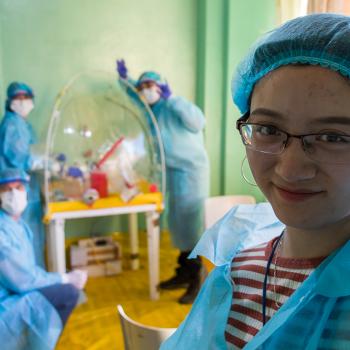
A student in lab gear smiles and 4 people pose in the background