May 8, 2026
Class of 2026 students recognized at awards ceremony
The Heritage College celebrated the achievements of the graduating Class of 2026 during its annual Commencement Awards Ceremony.

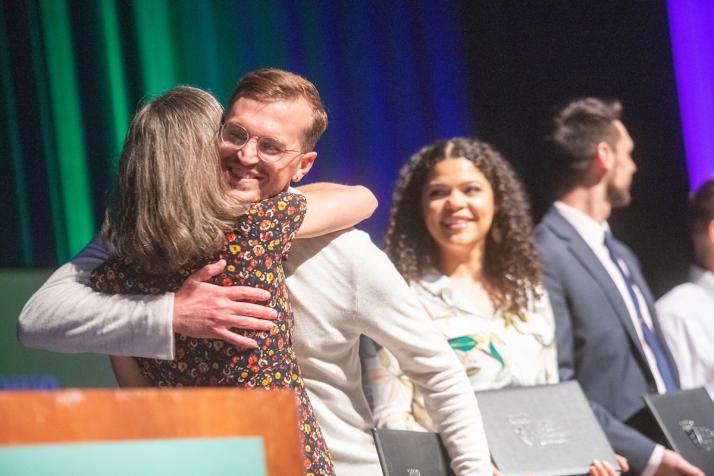
I knew that I wanted to be a doctor in undergrad, however, I didn’t know which kind. As I learned more about my community and the world in those years, I realized that I wanted to be a doctor that focused on preventative health and who advocated on behalf of their patients. I kept hearing the call for more primary care doctors, and I wanted to step up and serve in that role. I sought out attending an osteopathic medical school because my friends and family who saw D.O.s felt the most heard and empowered by these physicians.
Definitely my time at Grant Hospital as a third year. I saw doctors who connected with their patients in such a meaningful way. These doctors were excellent communicators, advocates, and educators for their patients. After two days on this rotation I knew that I wanted to be like these doctors, and I knew that family medicine best aligned with my goals to be a healer and advocate. Also, I come from a teaching background (high school science). Primary care doctors have the daily opportunity to empower their patients by explaining conditions in a patient-centered way.
I was taking part in a teaching fellowship, a PCA position, from July 2020 to July 2021, so by the time I returned to rotations, I believe that many sites had adapted, so that things were almost back to normal. I probably saw fewer patients compared to medical students before COVID-19 but not drastically less. I can say that seeing fewer patients does impact students’ ability to interpret physical exam findings and evaluate patients. There are just some things that can’t be learned from a book.
The main impact that the pandemic had on my education was the switch from in-person to virtual interviews for residency. I believe that this approach makes the process more equitable for students (interview season is less costly without flights, hotels, etc.), however, it can be very difficult to get ‘the vibe’ of a program without being there in person. I am the type of person who wants to know how the whole staff is treated and how everyone works together. I consistently asked program directors and residents about collaboration with and retention of M.A.s and nurses. Luckily, I got a lot of honest answers from that question.
It is hard to say. Definitely telehealth will be more popular than it had been in the past, which I think overall is a good thing as patients will have more access to seeing health care providers this way. We also are seeing more organized labor movements in health care during these trying times. Unions were unheard of for residents until the pandemic, and now we are seeing more and more emerge each month. I am hopeful that when nurses, doctors, and other health care professionals unify their voices, that they can shift the culture of how we treat our ‘health care heroes.’ Retaining staff and preventing providers from reaching burnout have clear beneficial effects on patient care.
Shadow different health care providers, such as doctors, nurses, physical therapists, physician assistants, respiratory therapists, speech pathologists. Hear their stories, see what their day-to-day activities look like, and list out your priorities and see which field aligns with your long term goals. Good medicine happens with a team and our team is strongest when folks choose the path that fulfills them most.
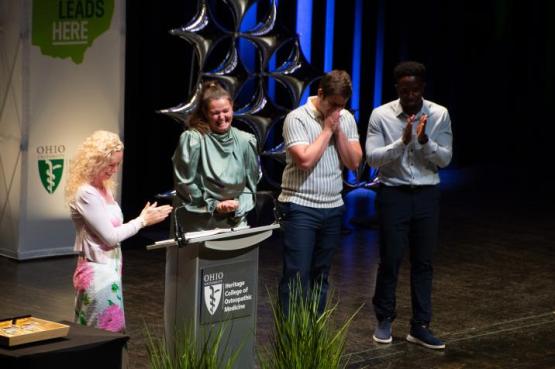
The Heritage College celebrated the achievements of the graduating Class of 2026 during its annual Commencement Awards Ceremony.
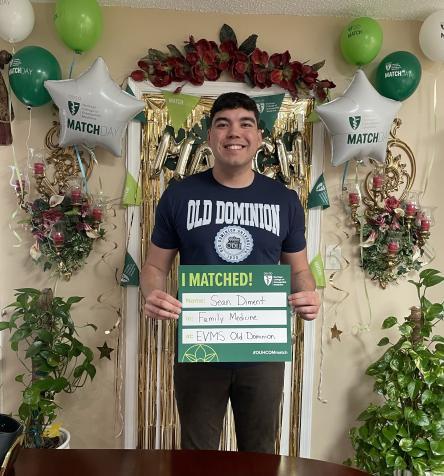
Sean Diment is an example of a student who goes all in at medical school.
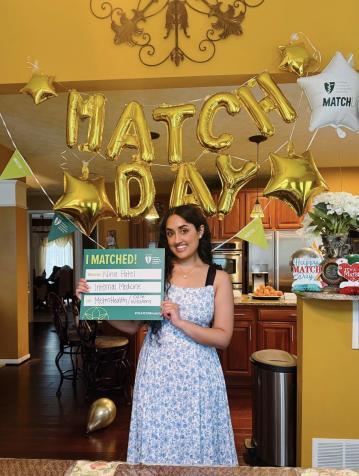
Inspired by her primary care physician to pursue a career in medicine, graduate Nina Patel is about to realize her dream.