The Tarija Chagas Platform
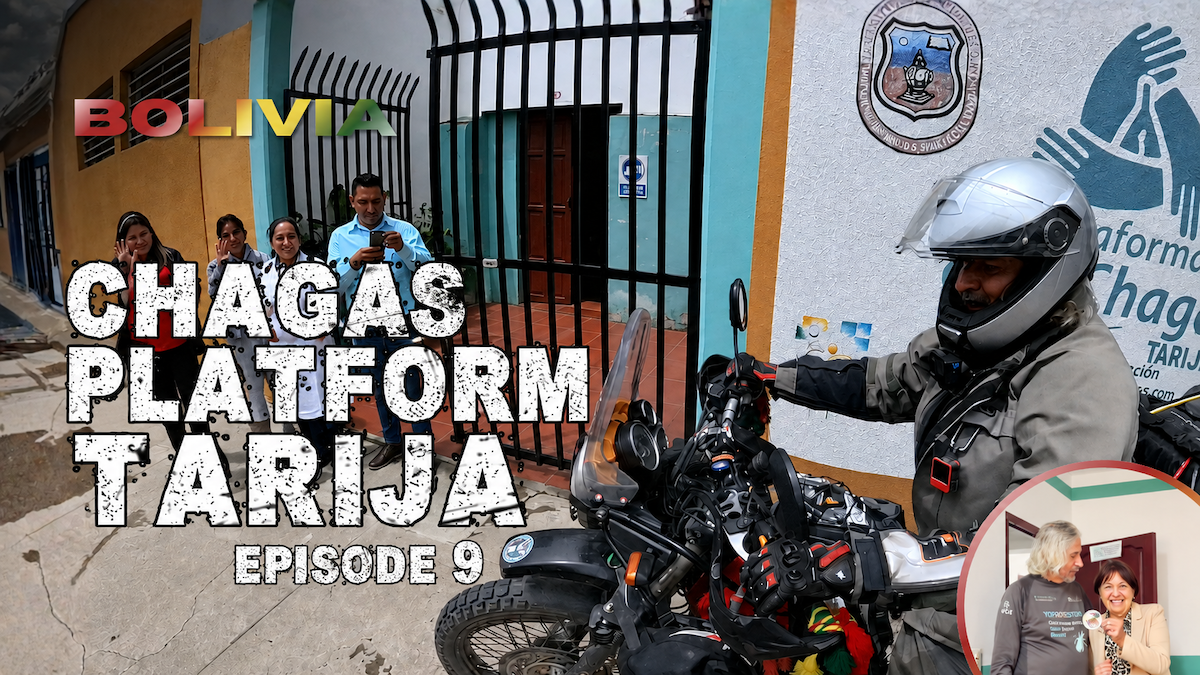
In this episode, we visit the Comprehensive Care Platform for Patients with Chagas Disease in Tarija, a region where 10 out of 11 municipalities are endemic. Through the work of dedicated healthcare professionals who handle thousands of consultations each year, we discover how close medical support, education, and timely treatment shatter the fear and misinformation surrounding this condition. A deeply moving visit that proves that while controlling the kissing bug is essential, caring for and healing the people already living with the infection means everything.
Learning Guide: Episode 9
1. Learning Objectives
- Understand the role of Chagas platforms in the diagnosis, treatment, and follow-up of people with Chagas disease.
- Identify common adverse reactions that may occur during Chagas treatment and the importance of monitoring them.
- Analyze how family, social, economic, and cultural factors can affect treatment adherence.
2. Key Messages from the Episode
- Chagas platforms provide integrated care that combines diagnosis, treatment, follow-up, education, and patient support.
- Many patients arrive with the misconception that having Chagas means they are going to die. Providing clear and truthful information can reduce fear and anxiety.
- Treatment can cause adverse reactions, making close follow-up essential for helping patients complete treatment.
- Social and family circumstances can make it difficult for patients to attend appointments or complete treatment.
3. Key Content Explained (Simple Language)
A Chagas platform is a specialized service that provides comprehensive care for people affected by Chagas disease. In Tarija, the platform was created as part of an effort to change the idea that Chagas cannot be treated. The program began treating adults and found a much greater demand for care than expected.
The platform follows patients from diagnosis through treatment and follow-up. When a patient misses an appointment, the team contacts the person and, when necessary, makes a home visit to understand what happened and help the patient continue treatment.
The episode emphasizes that people with Chagas may face many challenges beyond the disease itself. Some patients have limited economic resources, large families, work difficulties, or other family problems. These circumstances can make it difficult to attend medical appointments or complete treatment.
Some people have been told they have Chagas and immediately believe that they are going to die. When patients understand what Chagas is, how it is diagnosed, and what treatment is available, they often feel less afraid and more able to manage the disease.
Treatment requires careful monitoring because patients can experience adverse reactions. The episode describes dermatological, digestive, neurological, and laboratory-related reactions, including changes that require monitoring of blood counts and liver function. Some reactions can be managed with symptomatic treatment or a temporary interruption, while others may require permanent discontinuation.
Nursing and follow-up are especially important. Healthcare workers may need to call patients, encourage them not to abandon treatment, explain how to manage problems, and help them resume treatment when appropriate. Healthcare workers may need to address anxiety within the family and discuss traditional practices or beliefs that can affect how people respond to symptoms and treatment.
Finally, the episode emphasizes that Bolivia still has a large population that needs access to Chagas diagnosis and treatment. The speakers call for greater involvement from the entire health system and for more education and awareness in secondary schools, universities, communities, and decision-making institutions.
4. Reflection Questions
Basic Level
What is the purpose of a Chagas platform?
What types of care does the Chagas platform provide?
Why is patient follow-up important during treatment?
What are some adverse reactions that patients may experience during treatment?
Intermediate Level
Why might a person with Chagas stop attending medical appointments?
Why can clear information about Chagas reduce fear and anxiety?
What role does nursing play in helping patients complete treatment?
Advanced Level
How do family and socioeconomic circumstances affect treatment adherence?
How can healthcare teams address cultural beliefs while maintaining safe medical care?
What strategies could help expand access to Chagas diagnosis and treatment in Bolivia?
How could schools and universities contribute to increasing awareness of Chagas disease?
5. Vocabulary
Chagas platform: A specialized service that provides integrated care for people affected by Chagas disease.
Integrated care: Healthcare that addresses different aspects of a patient's needs through coordinated services.
Diagnosis: The process of identifying a disease or health condition.
Follow-up: Continued medical care and monitoring after diagnosis or during treatment.
Treatment adherence: Continuing treatment according to the healthcare team's recommendations.
Adverse reaction: An unwanted or harmful effect that can occur during treatment.
Symptomatic treatment: Treatment used to relieve symptoms or discomfort.
Vector: An organism, such as an insect, that can transmit a disease-causing parasite.
Patient-centered care: Care that considers the patient's medical, family, social, and personal circumstances.
Health education: Providing people with information and skills that help them understand and manage health conditions.
Treatment interruption: A temporary or permanent stopping of treatment because of an adverse reaction or another circumstance.