
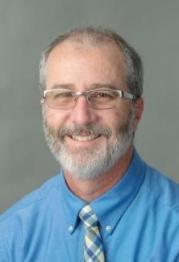
Online Faculty Spotlight - Chris Kennedy
August 24, 2023
Why Ohio University? What brought you here?
I have lived in southeastern Ohio for almost my entire life and I have always loved it here. I am a first generation college student and received my undergraduate and graduate degrees from Ohio University. It is one of the most beautiful campuses that I have ever seen. Plus, I have been fortunate to have worked with some amazing colleagues and students during my time here. Also, The Patton College of Education’s clinical model of teacher preparation has provided valuable, cutting-edge experiences for our teacher candidates that allows them to see the link between theory and practice while positively impacting P-12 student learning in our region. It is very exciting to be a part of such innovative and impactful work.
Can you give a brief overview of Masters in Reading program?
The Reading Master’s (MEd) program at Ohio University is a 34-credit hour online program that can be completed in three semesters. The faculty within this advanced master’s program work to help licensed teachers further their knowledge and understanding of language and reading development, teach reading across grades K-12, administer reading assessments and make data-driven decisions, work with other teachers and specialists to design appropriate reading instruction to meet the needs of all students, and develop and conduct original research to further their own learning.
How does this program benefit teachers and educators?
Opportunities for graduates may include teaching, coaching, and leading school reading programs. Reading Specialists/Literacy Coaches may also serve as a resource in reading and writing for educational support personnel, administrators, teachers, and the community, provide professional development based on historical and current literature and research, work collaboratively with other professionals to build and implement reading programs for individuals and groups of students, and serve as advocates for students who struggle with reading. Many of these professionals have a specific focus that further defines their duties, such as serving as a teacher for students experiencing reading difficulties, as a reading or literacy coach, as a coordinator of reading and writing programs at the school or district, or in several combinations of these roles.
What is one piece of advice you give to your students, that you hope they take with them throughout their careers?
As a teacher educator and a scholar, I want our future teachers and graduate students to know the value of building positive relationships with their students. By doing this, teachers can plan lessons that help their students make connections to the curriculum. This allows teachers to better take advantage of teachable moments which provide rich learning opportunities. Teachers need to continually reflect on how to best build rapport in the classroom and then use that information to best meet the needs of their students.