OHIO is committed to your lifelong success through our Guarantee+, which offers fixed tuition and fees, a graduation plan and lifelong benefits to our students. We're continuously striving to make college more affordable and accessible, while maintaining the high quality and value of an OHIO education.
Cellular and Molecular Biology
Bachelor of Science
Cellular and Molecular Biology Bachelor's Degree
Cellular and molecular biology majors dive into vibrant, exiting and rapidly growing areas of modern biology. The ongoing revolutions in genetic engineering, genomics, and proteomics have profound implications for medicine and for our understanding of the biological world around us.
Students in this program are encouraged to participate in research opportunities during their junior and senior years to prepare for further studies in graduate or professional school and/or a successful career in research or development.
Admission Requirements
In the past, the Biological Sciences Department had a very strong admission requirement of a PL1-level math placement. With the implementation of the test optional admission pathway, this requirement is no longer in place. However, achievement of PL1-level math placement can be a good indicator of strong preparation in math. After admission to Ohio University, first-year students may transfer into a biological sciences major if they have earned a grade of “C” or better in both BIOS 1700 and BIOS 1705 and have a minimum accumulative GPA of 2.5 at Ohio University.
For information about changing your major to biological sciences or transfer admissions requirements, view the academic catalog.
-
Tuition and Fees
-
Financial Aid & Scholarships
Our Office of Student Financial Aid and Scholarships provides services to students and parents both in-person and remotely. You can visit our office on the ground floor of Chubb Hall or reach us at financial.aid@ohio.edu or 740.593.4141.
Courses & Curriculum
Students must complete a total of 42 semester credit hours of BIOS coursework, including required courses in genetics, cell and microbiology techniques, mechanisms of gene regulation, and more. Students also take courses in chemistry, math and physics.
View Courses & Degree Requirements in the Official Academic Catalog
How to Prepare for Medical School and Professional Health Careers
Careers in medicine, dentistry, veterinary medicine, physical therapy, physician assistant, optometry, and other allied health professions start with strong academic performance. That first step happens with OHIO’s Pre-Health Advising Center.
Advising for Pre-Med and Pre-Professional Majors
Ph.D. Programs With a Focus in Molecular and Cellular Biology at OHIO
Ohio University offers several graduate programs focused on molecular and cellular biology. The cell, developmental and molecular biology graduate program offers world-class facilities and faculty in biochemistry, genetics, microbiology, cell biology, developmental biology. Ohio University offers interdisciplinary graduate study in through the Doctor of Philosophy degree in molecular and cellular biology program. In addition, a Cell, Developmental & Microbiology Concentration is available in the Biological Sciences Ph.D. and M.S. programs.
Career Opportunities
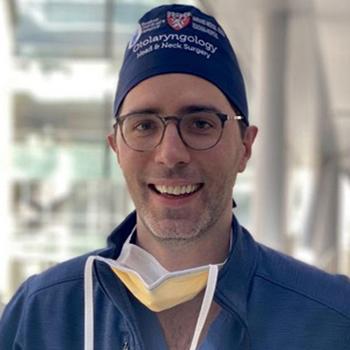
STEMstart: Get a Jump Start on Your Science Major
Admitted science students are invited to come to Athens in August, a week before their first-year classes start, to get a sneak peak of what's to come in their first semester and get a jumpstart on success in the sciences.
Get Laboratory and Field Experience
Laboratory experience and fieldwork opportunities in ecology, neuroscience, microbiology, genetics, pathogens, paleontology and much more are available to biology students at OHIO.
Student Success Stories
Jayanna Smith: From Small Town to Prestigious Award

Ben Stiadle Wins Prestigious Award for Diabetes Research

Ready to Get Started?
Related Biology Programs
-
Biological Sciences MajorBachelor of ScienceThe Bachelor of Science degree in biological sciences is particularly well-suited for students who plan to enter a biological sciences graduate program or professional school.
-
Human BiologyBachelor of ArtsThe Bachelor of Arts with a major in biological sciences–human biology is designed for students interested in human biology and allied health care professions (e.g., occupational therapy, genetic counseling, physician assistant and physical therapy programs).
-
Microbiology MajorBachelor of ScienceGraduates of this program are also prepared for further graduate studies in medicine, dentistry, optometry, public health, microbiology, or molecular biology.