
Background Information
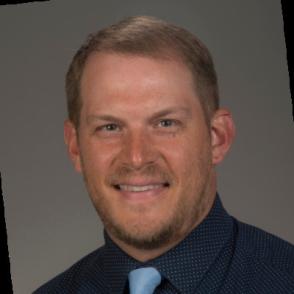
My name is Wes Wilson, and I recently completed my Ph.D. in Higher Education Administration at Ohio University. My professional background is in financial aid administration, and I currently serve as the Director of HCOM Financial Aid for the Heritage College of Osteopathic Medicine.
Tell us a little about your thesis/dissertation
My dissertation is titled Medical Student Experiences of Financial Literacy Formation: Cultivating Competence in a Culture of Debt. The study explored how medical students develop financial literacy while navigating the significant debt associated with medical education. Using a mixed-methods approach, I examined students’ knowledge, perceptions, and experiences related to financial literacy and student loan debt.
The goal of the research was to better understand how medical schools can support students in developing financial competence during their training so that they can make informed financial decisions throughout their careers.
Tell us about your writing process
My writing process evolved throughout the program. Early on, I realized that consistency was more important than waiting for large blocks of free time. I focused on setting aside dedicated writing periods each week and making incremental progress. Some days involved writing new sections, while others were focused on revising, analyzing data, or organizing ideas.
Breaking the dissertation into smaller pieces made the process much more manageable. Regular communication with my advisor also helped keep me accountable and moving forward.
What struggles did you face writing your thesis/dissertation?
Like many doctoral students, one of the biggest challenges was balancing the dissertation with professional and family responsibilities. I work full time and have a family, so finding consistent time to focus on writing required intentional planning and discipline.
Another challenge was simply the scope of the project. A dissertation can feel overwhelming at times, but learning to approach it one section at a time helped keep the process manageable.
When/how did you learn about TAD/DWSP?
I learned about TAD during the dissertation process when I needed guidance on formatting and preparing the document for final submission. It became clear very quickly how valuable the TAD resources were for navigating the final stages of the dissertation, both before and after the defense.
What was your experience with TAD/DWSP?
My experience with TAD was extremely positive. The team was responsive, knowledgeable, and very supportive throughout the final stages of the dissertation process. The guidance provided helped clarify expectations and made the submission process far less stressful.
I especially appreciated how prompt and helpful the communication was whenever I had questions. That support made a big difference during the final push toward completion.
What advice do you have for current and future students working on their thesis/dissertation?
My advice is to focus on consistency and progress rather than perfection (something I struggled with). Writing a dissertation can feel daunting, but small steps taken consistently will eventually lead to completion.
I would also encourage students to use the resources available to them, your chair, the OU Library, fellow students, faculty and staff, and the TAD team. Their guidance can help remove uncertainty and allow students to focus on the quality of their research rather than worrying about formatting or submission details. When in doubt, ask someone. Do not go it alone.
Finally, remember that finishing a dissertation is a marathon, not a sprint. Stay disciplined, keep moving forward, and trust the process.