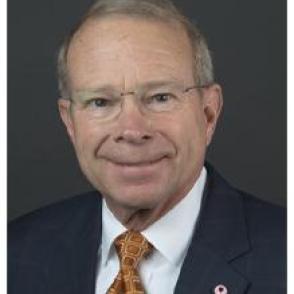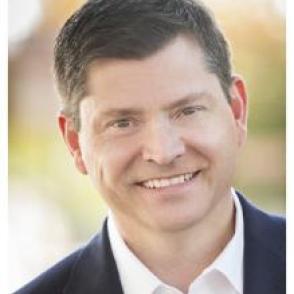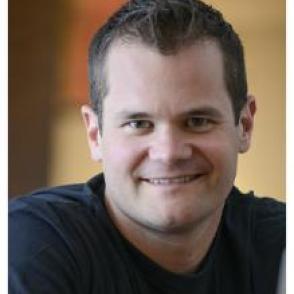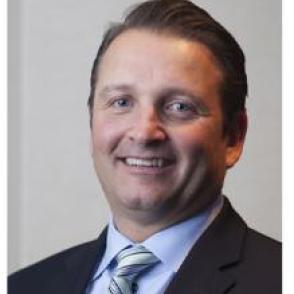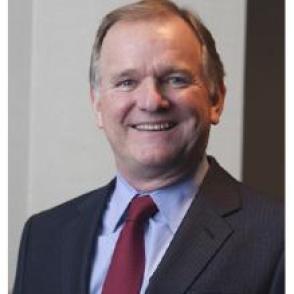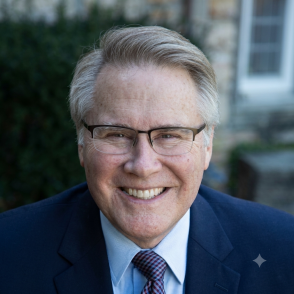
David Wilhelm is a natural born entrepreneur, team-builder, and friend of the underdog.
Today, he is the co-founder and Chair of HGR Energy, a company that is developing solar and battery storage projects in places like Algeria, South Africa, Sierra Leone, Zambia, The Gambia, and Botswana.
HGR Energy is a spin-off of Hecate Energy, which Wilhelm joined as a start-up in 2013. Later this year, if all goes as expected, Hecate Energy will be a publicly traded company on the NASDAQ exchange.
In the fall of 1991, when all the big names took a pass, Wilhelm went down to Little Rock, Arkansas to manage the campaign of a long-shot presidential candidate named Bill Clinton. After he won, then President Clinton named Wilhelm the Chair of the Democratic National Committee, the youngest person ever to assume that post.
Prior to getting into the campaign management business, Wilhelm, while still in his twenties, turned a little-known public interest group called Citizens for Tax Justice into a major player in the 1980s battle over federal tax return, and a major thorn in the side of large corporations that evaded taxation.
Noting that there was virtually no venture capital going into businesses located in Central Appalachia and the American Midwest, Wilhelm started two funds targeting investment opportunities in those regions. One of those funds, Adena Ventures, helped catalyze the strong entrepreneurial ecosystem in and around his alma mater, Ohio University, where he was the long-time Co-Chair (along with its namesake) of the Voinovich School of Leadership and Public Service.
Wilhelm has real degrees from Ohio University and Harvard University and honorary ones from Ohio University, the University of Charleston, and Wheeling Jesuit University. He has taught at the University of Chicago, Harvard University, DePaul University, and the University of Akron.
He and his wife, Degee--who is an attorney and elections observer working mainly in Eastern Europe--reside in downtown Nashville, and are the proud parents of two fine gentlemen, Luke and Logan. Wilhelm’s father was a refugee from post-war Germany, and his mother was from a small central Illinois town to where his father emigrated, thanks to the sponsorship of a local farm family and the Brethren Church.