Playing for real: OHIO students tackle simulated disasters to build community resilience
The hands-on simulation challenged students from multiple majors to share resources and solve life-or-death problems during an intense, four-hour mock flood scenario.
Henry Gorsuch, BSJ '26 | April 29, 2026
Share:
Students at OHIO recently faced a major flood. They had to make split-second decisions. They had to manage limited resources. They had to save their neighbors. Fortunately, the disaster was not real. It was part of a "serious game."
The Urban Planning Student Association (UPSA) and the Department of Geography recently hosted the Extreme Event Workshop. The event was a collaboration with the U.S. Army Corps of Engineers, the Ohio Department of Natural Resources and the Ohio Emergency Management Agency.
Gracie Vaughn is the president of UPSA. She helped bring the traveling simulation to Athens after the U.S. Army Corps of Engineers reached out to Associate Professor Dr. Yeong Kim.
“They've done this emergency workshop usually in the Kentucky, West Virginia, Ohio region,” Vaughn said. “So mostly Appalachian communities that are more subject to extreme weather events.”
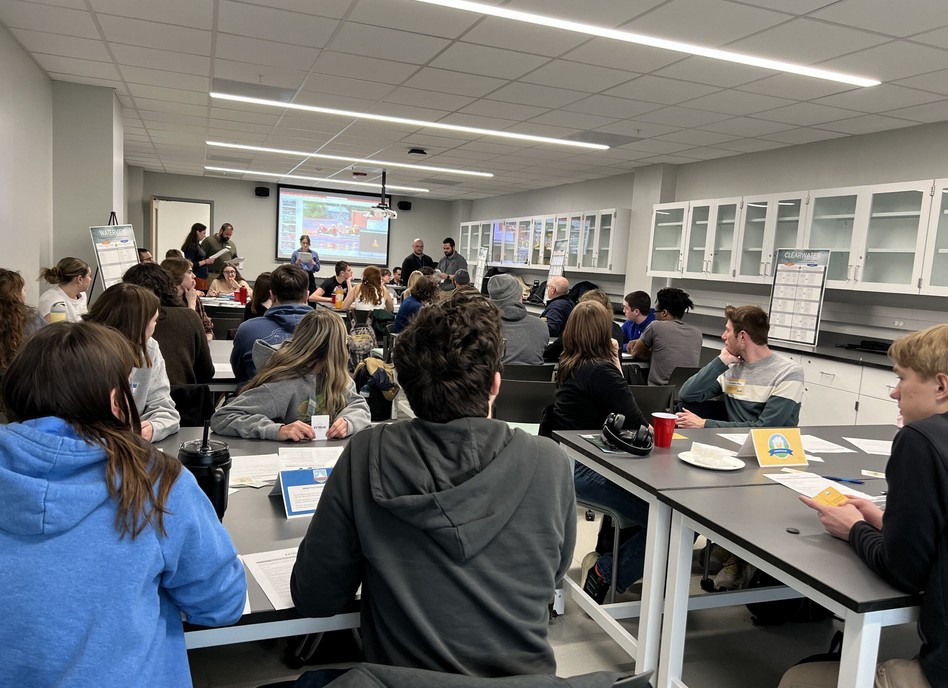
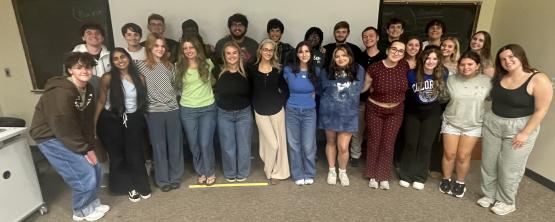
OHIO students and faculty gather for the Extreme Event Workshop, a traveling disaster simulation led by the U.S. Army Corps of Engineers.
Stepping into the scenario
The workshop was highly interactive. Each of the 48 participants received a name tag with a specific role and a specific community. Students from different majors worked together, including meteorology, urban planning and civil engineering.
The game was fast-paced. One community might get hit by a disaster. Then they would immediately get hit by another. Participants had to react to floods, tornadoes or typhoons in real time.
Vaughn chose the role of an HOA director to make the role-play more dramatic.
“It was just a great experience to see how people would place themselves into other people's shoes and react to a flood or a typhoon or a tornado,” Vaughn said.
The room was full of energy. Vaughn noted that the Army Corps of Engineers called them the "liveliest group" they had ever hosted. Students did not just stay in their own groups. They walked around the room to help other "towns" that were struggling.
“I would argue that Appalachian communities and specifically Appalachia as a region, we're very interconnected, even though we are rural,” Vaughn said. “It was heartwarming to see how people were so easy to help out their neighbors and their sister communities.”
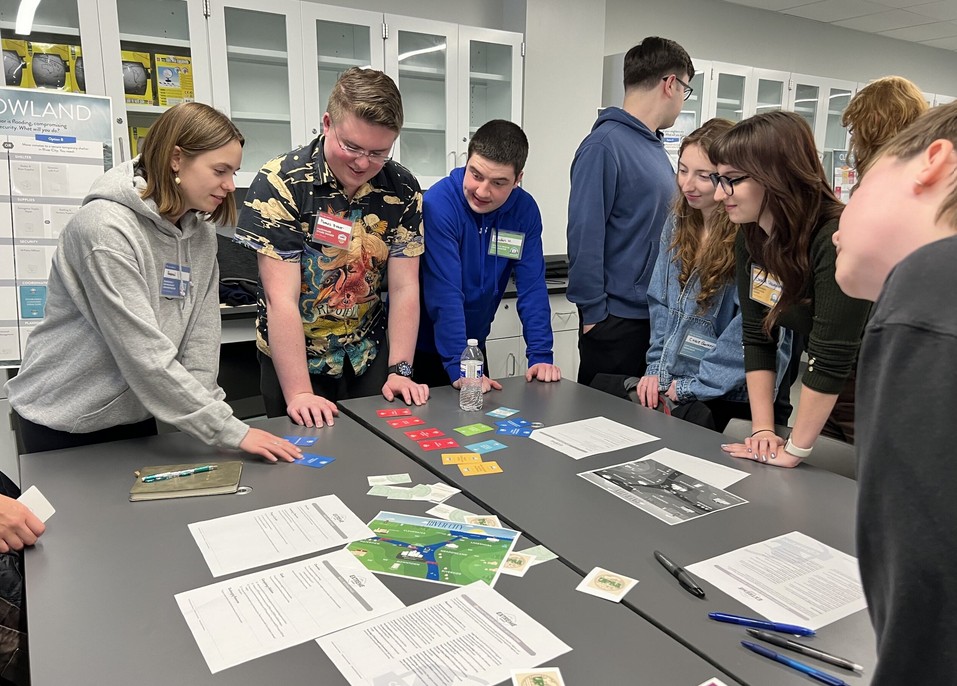
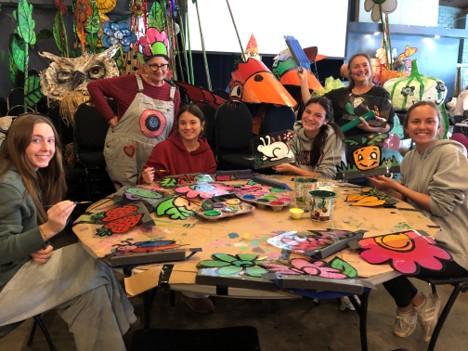
During the "serious game," each participant received a unique community role and had to make split-second decisions to protect their fictional town from a flood.
The price of community is inconvenience
The game led to some difficult conversations. In one scenario, a town with a prison was facing a flood. Students had to decide how to handle the situation.
“We had a lot of different community members from different areas bring in resources to help rehome people instead of just leaving them there,” Vaughn recalled.
For Vaughn, these moments showed the true meaning of community resilience. She believes policy should always focus on the well-being of residents and their environment. She often references a specific saying to describe this mindset.
“I love the little saying that's going around - that the price of community is inconvenience,” Vaughn said. “Do something that's inconvenient. Give your neighbor a cup of sugar. Go to a food drive or volunteer somewhere if you have an hour or two to spare. That's community resilience for me.”
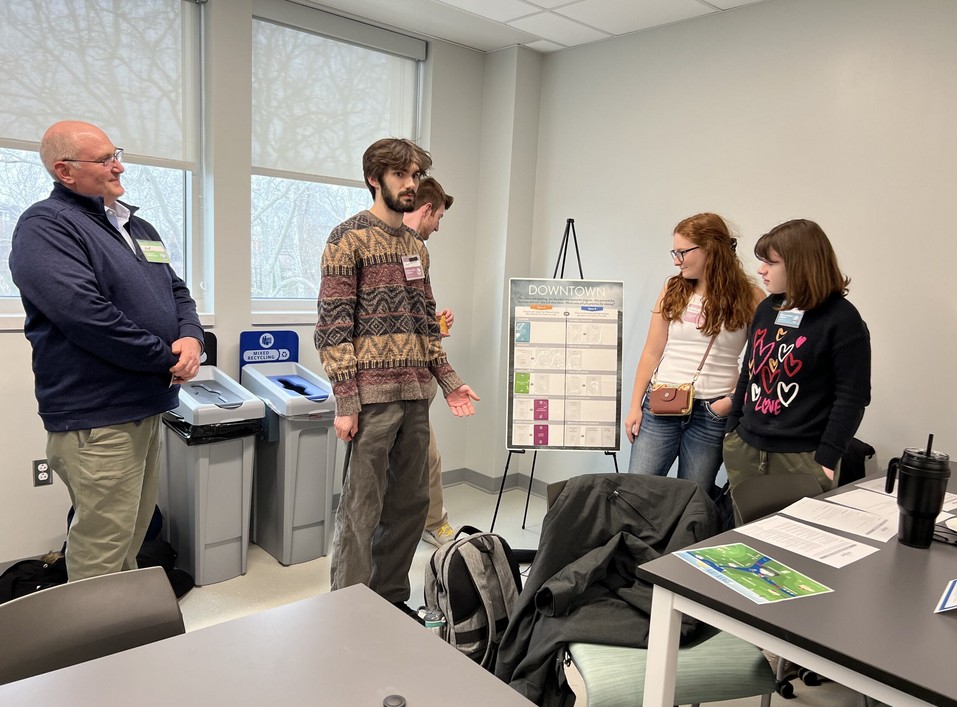
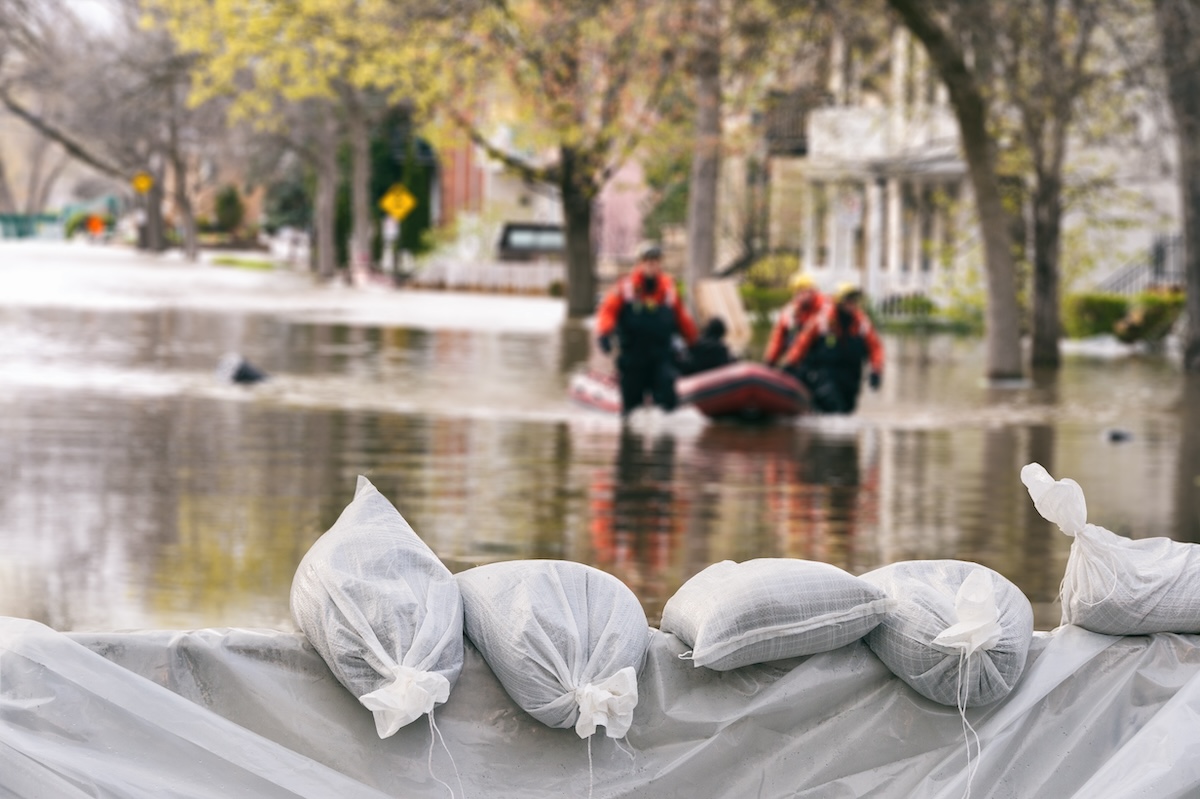
The fast-paced workshop challenged students to work together and share resources across community lines to ensure the safety of their neighbors.
Learning beyond the textbook
The workshop provided a type of learning that is hard to find in a traditional lecture. Vaughn argues that academics can sometimes teach students to overthink or spend too much time on research.
“When you're faced with decisions or situations that are super split-second decisions, you aren't able to sit through and research for seven hours on what is the best practice to do,” Vaughn said. “So, you have to rely on your training, rely on your counsel and the people that you surround yourself with, to come up with the best decision for your community.”
Vaughn hopes this event is just the beginning. She wants to see more service-based learning and hands-on workshops at the university.
“I'm really hoping that people will take away the real-life implications of this workshop back into their personal life,” Vaughn said. “If that puts people into positions where they're able to make changes in the communities that they're passionate about, I'm completely fine with that.”