Image
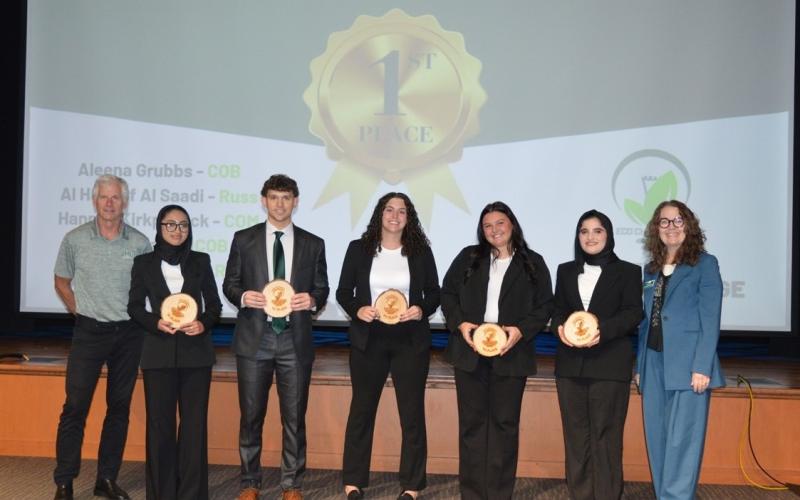
Ohio University students from a variety of majors such as engineering and strategic leadership competed in the 10th annual edition of the Eco Challenge during the fall semester.
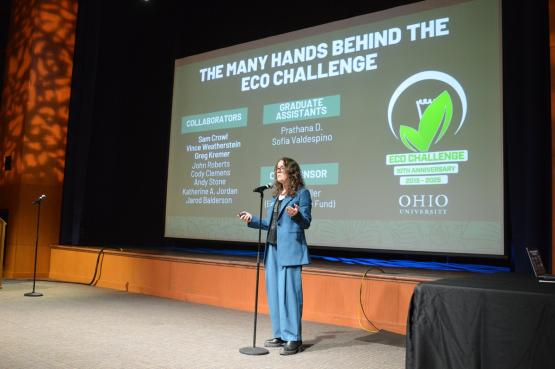
The Eco Challenge class (MGT 3435) is a multi-disciplinary semester-long opportunity offered to OHIO students through combined efforts of the Walter Center for Strategic Leadership, the Russ College of Engineering and Technology and the College of Business.
This team-based class offers students a unique experiential learning opportunity, allowing participants to be active problem-solvers in their community. As part of their work in the course, students reflect deeply on the community of Athens and identify environmental problems that could be solved cost-effectively.
After speaking with stakeholders and conducting extensive research on their particular issues, the students put together plans and timelines for the most effective way to solve the problems they chose to address. The teams then competed against one another in the Eco Challenge, presenting their solutions to a jury of judges.
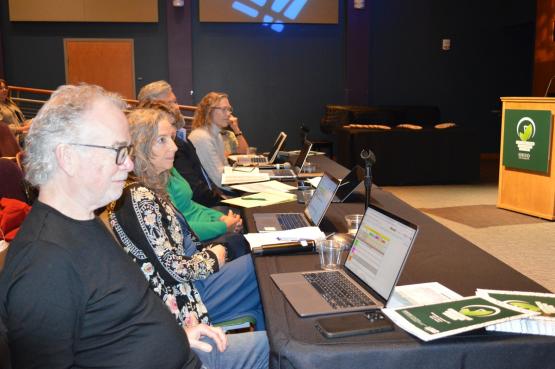
Each year the judges include members of the Athens community and campus partners. This year’s judges included:
Winning teams in the Eco Challenge have the opportunity to see their proposed solutions implemented in the local community, allowing students to actively engage with real-world issues and witness tangible change made possible by their ideas and hard work.
This year’s winning team proposed an app to track mowing in specific areas around the community in order to reduce overmowing. Efficient use of the app supports environmental protection while also reducing labor requirements and fuel costs.
The team was made up of:
Kozarik, a sophomore in the College of Business, said that although he was nervous about presenting his group’s research, he was confident that the time and effort they had put into the project would pay off.
“I was nervous, but I was also very confident in our team,” he said. “I really liked the idea of a project, and I feel like all of us put a ton of work in. We met three or four times a week, for several hours at a time, so we really put a lot of effort into it. The nerves were there but I was very confident in our project. I kind of had a feeling we were going to win.”
Kozarik said that although winning the challenge felt great, the real victory will come later in the process.
“It was great to win, but I think the big one will be getting implemented,” he said.
After the competition was over, the team sent over all of their materials to their stakeholders and are now patiently waiting to see the project process roll out.
Overall, Kozarik said he was very grateful for the class as he felt he learned a lot about problem solving and teamwork.
“I feel like my leadership has grown immensely throughout this class, along with my teamwork, but I think it’s really about handling real world issues and being able to problem-solve,” he said. “I feel like those were the two biggest things this class offered. It just sets you apart because not many people can get problem solving issues like this, where you really have to think critically about what you want to solve and how you’re going to do it.”