NIL creates opportunity for student-athletes, confusion and tough decisions for schools and NCAA
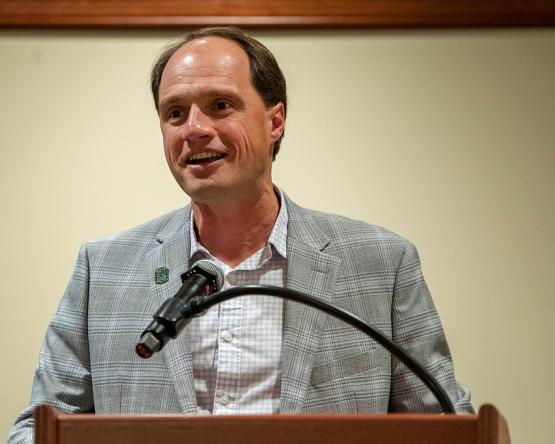
As March Madness concludes, student-athletes have earned millions of dollars through name, image and likeness (NIL). Ohio University Professor and sport management expert Jim Strode weighs in on the impact of NIL and the current college sports climate.
Alex Semancik | April 8, 2026
Share:
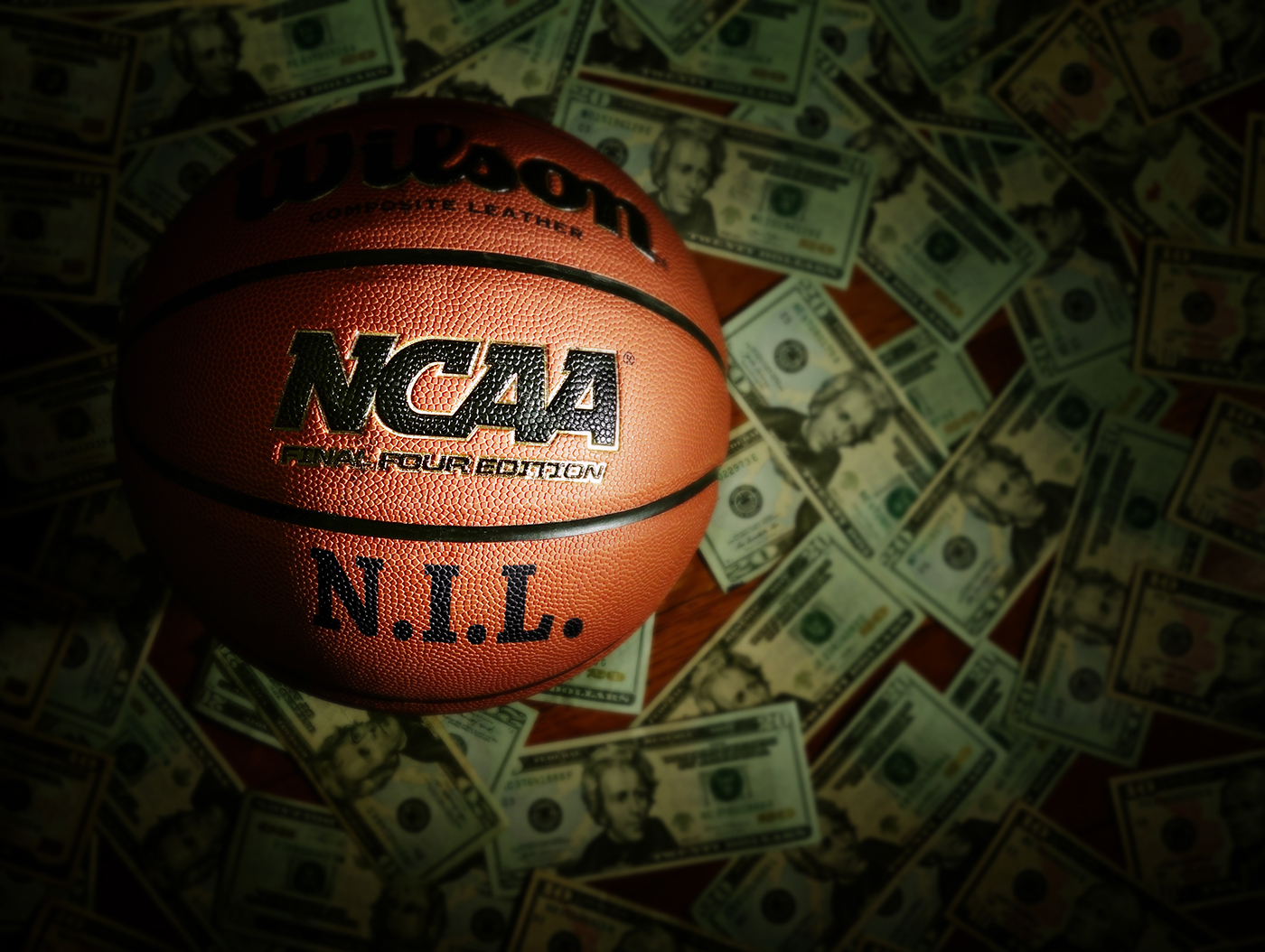
The 2026 NCAA men’s and women’s basketball tournaments have once again thrusted student-athletes into the national spotlight. As March Madness concludes and you do damage control on your inevitably busted bracket, college athletes have earned millions of dollars through name, image and likeness (NIL).
According to the NCAA, “student-athletes may receive compensation from third parties for use of their NIL, such as social media posts, brand appearances or promoting products and services. All three NCAA divisions support opportunities for student-athletes to pursue NIL consistent with rules that protect fair competition.”
NIL is a complex landscape that has in many ways reshaped collegiate athletics. The exact parameters of how NIL works have changed at a rapid pace due to numerous legal battles between student-athletes, states and the NCAA.
Ohio University O’Bleness Professor of Sports Administration Jim Strode, Ph.D., says that the NCAA has been in a tough position for the past seven or so years because they keep losing in court.
“The NCAA has been behind because the courts and the states have been consistently challenging all of these particular rules that the NCAA has,” said Strode, who is an expert in sports management, philanthropy in intercollegiate athletics and sports gambling. “The future of the NCAA will be interesting. In terms of player compensation, it is currently the Wild West.”
Origins of name, image and likeness
Before the rise of name, image and likeness—and the related rulings and settlements—the NCAA had a long history of protecting amateurism in collegiate athletics. Strode says that amateurism is essentially a framework for treating student-athletes as students who come to play on teams, rather than professional athletes or university employees. The idea of amateurism also ensured that athletes could not be compensated beyond something like a scholarship or room and board.
“By and large, we’ve had a long history of student-athletes not necessarily being able to earn outside of their sport until very recently,” said Strode. “Before NIL, you had these student-athletes who worked in their athletic department, in practice and in games and also took classes. So, they didn’t have the ability to earn and have a part-time job like a non-student-athlete would on a college campus.”
With television contracts and the increasing monetization of collegiate sports during the past few decades, a lot of universities—especially large, Division I schools—began generating a large amount of money and attention from their athletic programs.
Image
“That's when economics took over and the race to be able to attract the professional coaches came into play,” explained Strode. “And that’s when universities started to make coaches some of the highest paid employees, not only at their schools, but oftentimes in the state of their institutions.”
As more and more money became tied to college sports and coaches began getting paid a considerable amount, student-athletes wanted their fair share. Strode points to O’Bannon v. NCAA as a case that paved the way for what would become NIL as we know it today. Ed O'Bannon was a standout basketball player for University of California Los Angeles (UCLA) who was also a plaintiff in a class action lawsuit against the NCAA that claimed an EA Sports videogame used his likenesses without consent or compensation. In 2015, the courts ruled in O’Bannon’s favor.
“O’Bannon was on the cover of it, and there were players that may not have necessarily had their names used in the game, but it sure looked like the UCLA Bruins’ starting five,” said Strode. “That started to get some of the wheels in motion about why we are restricting student-athletes’ ability to earn.”
Image

A few years after O’Bannon and the other plaintiff’s arguments were upheld, California became the first state to pass NIL legislation with the “Fair Pay to Play Act,” in 2019. This law prohibited the NCAA and member schools from punishing student-athletes who earn NIL compensation. Several other states soon followed and adopted similar legislation over the following years.
Amid unfriendly state legislation, the NCAA was handed another big loss resulting from NCAA v. Alston. This was a unanimous Supreme Court ruling that held that NCAA restrictions on education-related benefits for student-athletes violated federal anti trust laws—rules that proscribe unlawful mergers and business practices in general terms, leaving courts to decide which ones are illegal based on the facts of each case.
The decision affirmed that the NCAA cannot cap compensation related to education (computers, internships, scholarship, etc.), enabling “Alston Awards” of up to $5,980 annually per athlete and signaling that the NCAA’s amateurism model was extremely vulnerable to legal challenges. With pressure from states and legal battle losses, the NCAA adopted its first official interim NIL policy in 2021, effectively cementing the NIL environment of today.
Name, image and likeness (NIL) in practice
The NCAA first adopted an official NIL policy in 2021, although some states, like California, had paved the way for collegiate athlete compensation even earlier. Since those policies were created, student-athletes have been able to enter agreements where they are compensated (money, products or services) for allowing a company, brand or person to use their name, image or likeness, such as social posts, event appearances or endorsements.
Until very recently, the endorsement deal “path” was the only way for college athletes to earn. The House settlement has now made it possible for student-athletes to be paid directly to be part of a team. Between having gained the ability to earn through NIL and easily change institutions through the NCAA Transfer Portal, student-athletes have entered a golden age of freedom and opportunity.
“Now that athletes have the freedom to be able to leave an institution, you're letting the market decide what their value is,” explained Strode. “When we think about some of the players that are making these decisions, it’s really hard to get mad at a student-athlete for jumping ship from one school to another to be able to earn more money, because coaches have been able to do that, professionals are able to do that. So, if an athlete, during a very short window of eligibility has an opportunity to earn generational money by shifting from one institution to another, it’s hard to blame them for doing so.”
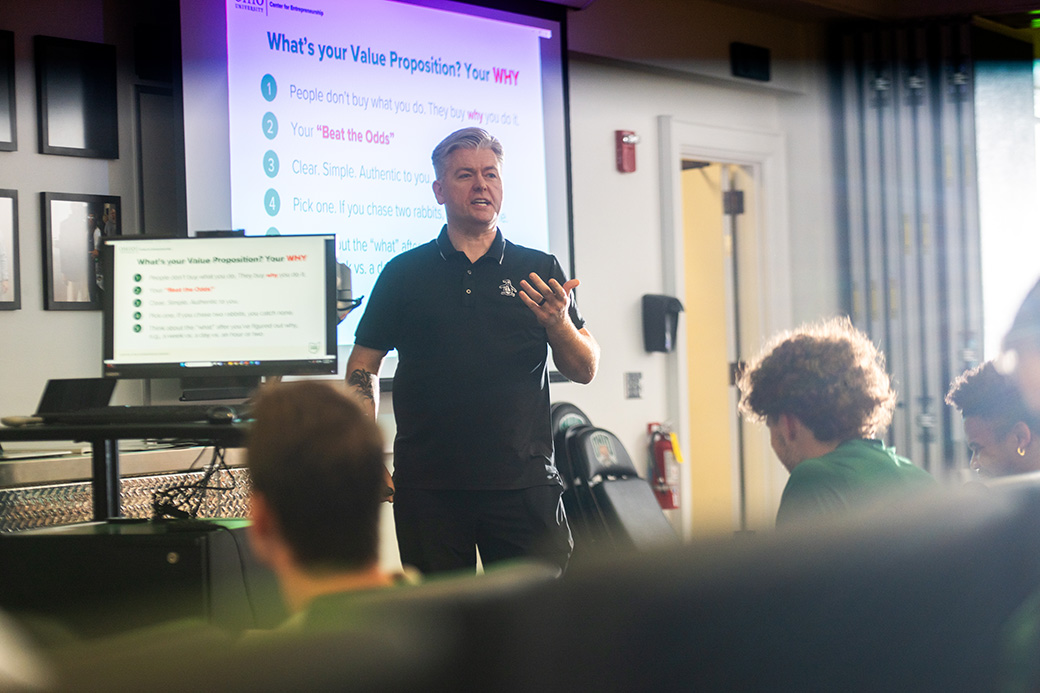
Director of the Ohio University Center for Entrepreneurship Paul Benedict leads a workshop for OHIO student-athletes about building their personal brands amid NIL legislation.
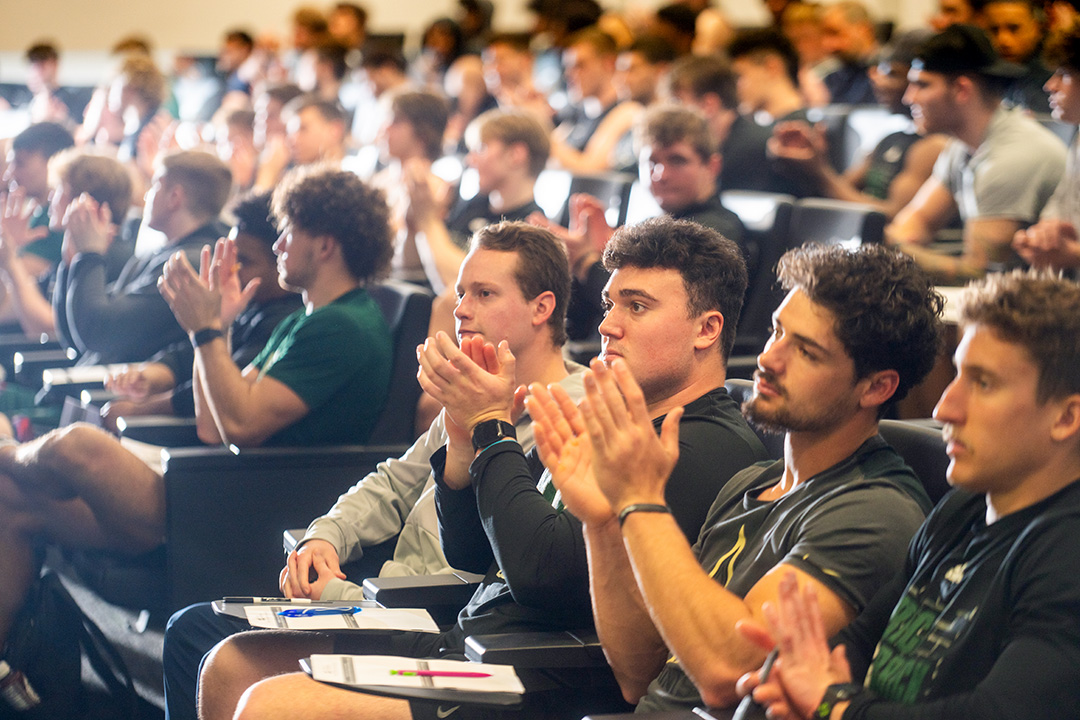
OHIO student-athletes learn entrepreneurial skills and how to transition from competitive sports to a professional career.
Many schools have taken an active role in their student-athletes NIL activities, implementing educational programs and workshops. Strode says that OHIO has a series of workshops to help students understand how to monetize their NIL including their social media presence—a very popular avenue for athletes to build their brand. WNBA player and former college basketball standout Caitlin Clark is a prime example of this.
“Caitlin Clark didn't necessarily have to rely on ESPN or any other network to get her out there,” said Strode. “She was going directly to followers on her social media platform, and that helped create the brand of Caitlin Clark.”
But it’s not just the premier stars and the Caitlin Clarks of the world, there are plenty of D III athletes who have NIL deals. Athletic prowess certainly creates attention, but other factors that make student-athletes unique can also create opportunity. For example, maybe a D II or D III student-athlete already has a large social media that they can utilize.
“A lot of institutions are trying to put their student-athletes in a position to learn, because all athletes regardless of division have the ability to monetize their name, image and likeness,” Strode said.
Image
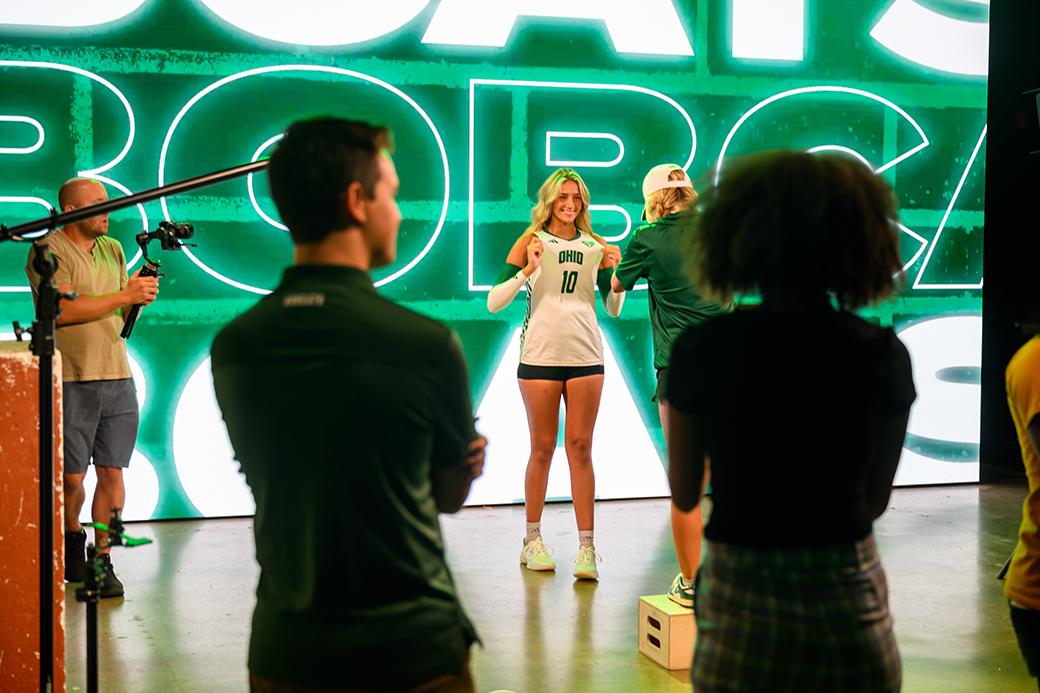
House settlement impact
A recent $2.8 billion antitrust settlement with the NCAA is the latest development to upend college sports in the realm of NIL. As a result of the “House settlement” Division I schools can now pay players directly via licensing deals for use of their name, image and likeness, further distancing the NCAA from the amateurism that they once championed.
In year one, each school that chooses to opt in can share up to around $20.5 million with their athletes, a number that represents 22% of their revenue from things like media rights, ticket sales and sponsorships, according to the Associated Press. It also provides back-pay damages to athletes competing since 2016. This is in addition to the $4 billion in total athletic scholarships that the NCAA’s member schools award every year.
“We're going to have this ability now for the schools that have opted in—which I think most have—to pay student-athletes directly from the university,” said Strode.
Each year schools outside of the ACC, Big Ten, Big 12, Pac-12 and SEC will have the option to opt in or out of "revenue sharing," according to College Sports Commission, the entity that oversees revenue sharing activity. For the 2025-26 academic year, 310 Division I athletic departments—including all power conferences (ACC, Big Ten, Big 12, Pac-12, SEC)—opted in.
Image
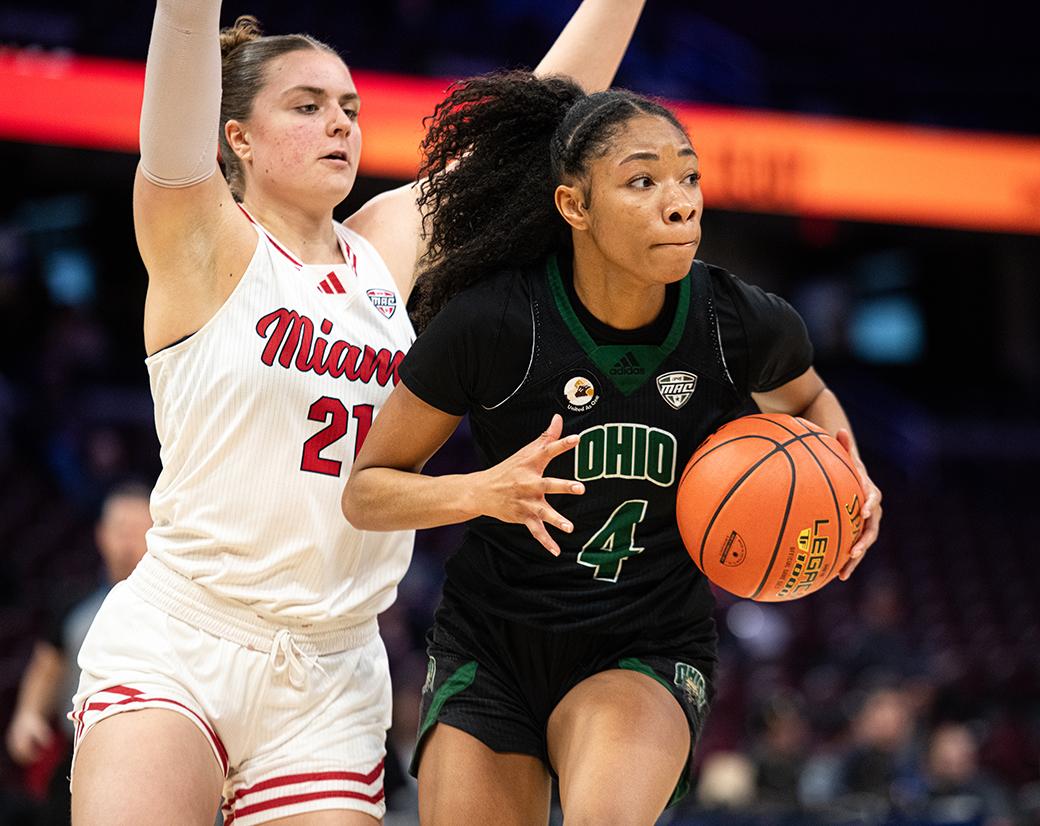
While there is a cap of $20.5 million on how much schools can revenue share through the House settlement, there is no cap on how much an athlete can make through other NIL activities such as paid endorsements, product promotion and brand appearances.
“It’s creating this structure now that’s similar to Major League Baseball without salary caps,” explained Strode. “Yes, there's the Ohio States of the world, but for every Ohio State of the world, you're going to have some schools that are on the precipice of being down a division. They're going to be competing at the same level but not having the same number of resources. And it's clearly going to cause some significant haves and have nots.”
The way in which university athletic departments ultimately choose to disperse the House settlement funds will vary. Strode says that football is the sport that is currently “steering the ship” in terms of bringing in the most revenue, followed by men’s and women’s basketball. Accordingly, Strode estimates that many schools will continue to prioritize their football and basketball programs over other sports.
“The media deals are astronomical—the amount of money that is being paid back to these schools, these conferences,” he said. “Athletic departments are now going to have to make some tough decisions in terms of how to be able to disperse their revenue sharing, because it’s not going to be equal. It’s not going to be every sport gets the same percentage, they’re going to prioritize, as we have seen in college athletic departments for ages.”
Strode adds that there will also likely be a Title IX implication of having equity between men’s and women’s sports through these payments, as well.
Image
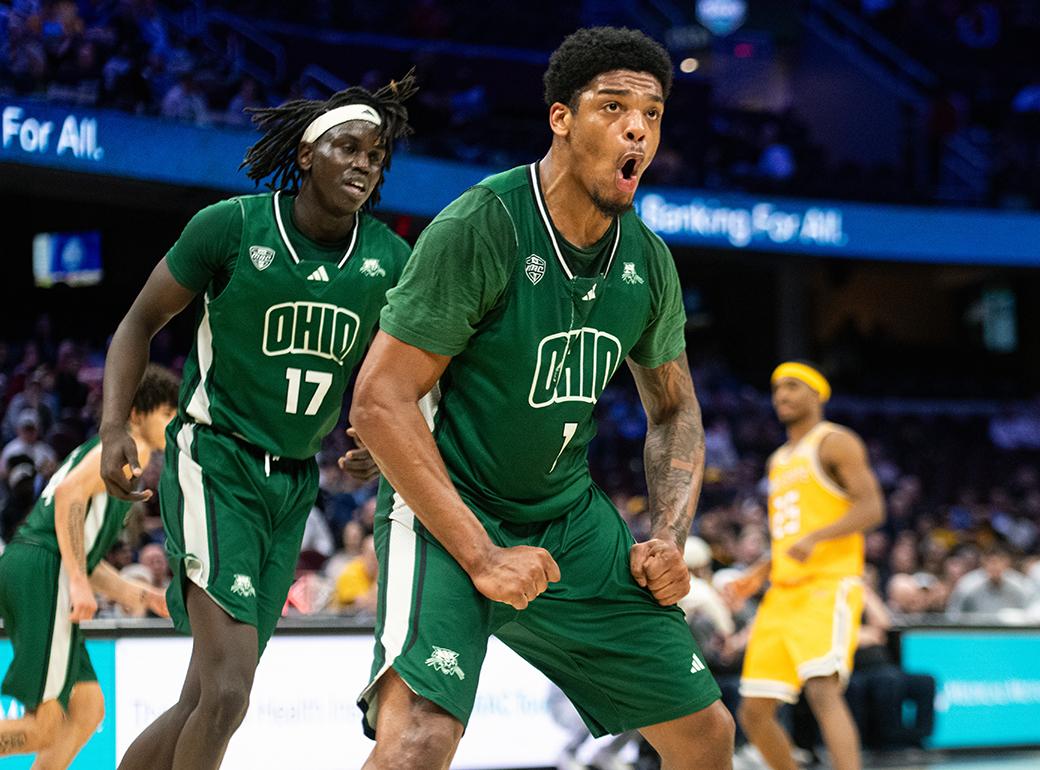
The future of NIL and collegiate athletics
The fate of collegiate athletics in 2026 is very much up in the air. NIL, the transfer portal and most recently the House settlement have all reshuffled how the NCAA operates. With the NCAA losing a string of courtroom battles over the past 20 years, and college sports continuing to grow in popularity, Strode is fairly confident that the trend of NCAA upheaval will continue.
“We've got more and more money in the game, and for the schools that are making that money, and getting that notoriety, the trickle-down effects of people wanting to attend your institution due to that athletic success can be real,” Strode explained. “As a result, there's going to be less appetite for draconian rules made by the NCAA to restrict their ability to be able to earn revenue as an institution.”
Experts are already speculating on changes that will be made in the very near future. Strode predicts that much like with professional sports, we will see a lot more multi-year deals between players and universities.
Image
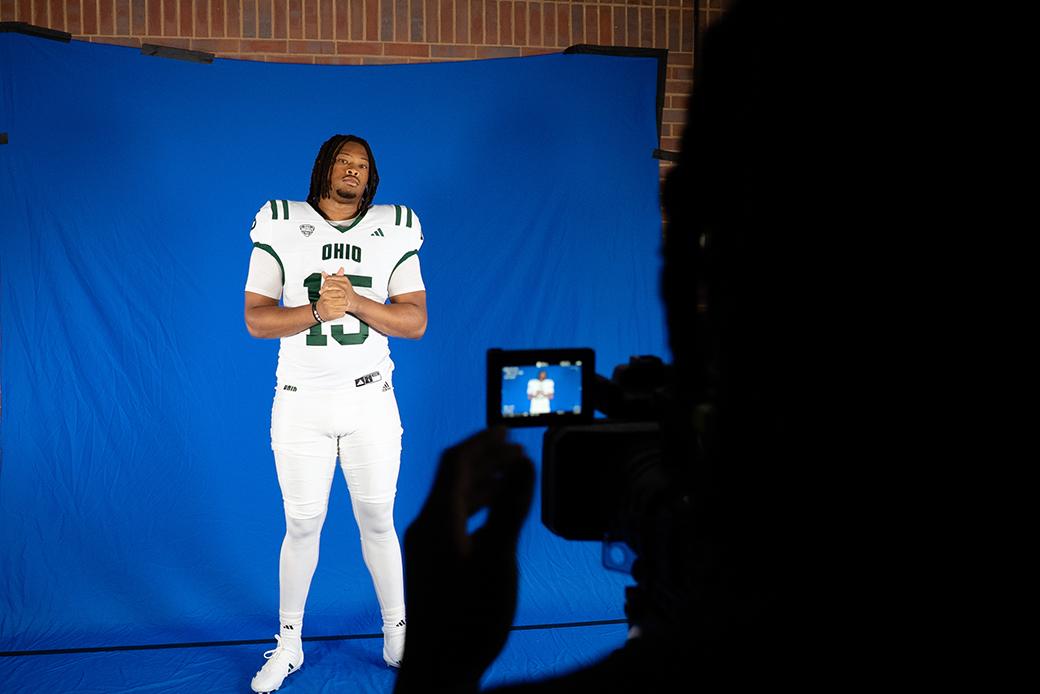
“We're dealing now with a system that has a maximum of four or five years of eligibility, but really in a sense ‘one-year contracts,’” he said. “One of the things you’re going to see a lot more of is institutions signing multi-year deals with athletes to be able to lock them in, so they don’t have to reacquaint their rosters every year.”
Another aspect of college sports that Strode and many other experts are questioning is connecting athletics so directly with academics. The NCAA wants student-athletes to remain focused on academics and make progress toward graduation, but factors like NIL and the transfer portal can at times hinder scholarly activity. For example, if a student continues transferring schools primarily for athletic motivations, what does that look like for consistency and progress on their degree.
“For better or worse we’re tying athletics to an academic institution,” said Strode. “A player by the name of AJ Storr played at four different universities in his four years of college basketball; Saint John's, Wisconsin, Kansas and Ole Miss. How does one piece together a degree based on transfer credits if you went to four different institutions. How are we making sure that those athletes are still matriculating towards a degree, and not just a degree, but a degree that's actually going to help them if they're not necessarily going to be going professional in their sports.”