
Regional investing fund provides new opportunities for students
Three OHIO students were awarded prestigious fellowships through the Appalachian Emerging Investors Fund.
Megan Doyle, BS '28 | February 28, 2026
Share:
The Roberts Enterprise Development Fund (REDF) Impact Investing Fund through the Ford Foundation provides valuable experiences to students in the Appalachian region. Through the Appalachian Emerging Investors Fund (AEIF), undergraduate and graduate students from Appalachian universities such as Ohio University, Marshall University, and West Virginia University can get hands-on experience with investors. Two hundred students applied to the program; OHIO’s Alex Kellersmith, William Meyer and James Snider were among only six students selected to participate in an internship program through the fund this spring.
AEIF provides students with a 10-week course in investment and entrepreneurship taught by industry professionals, where they can earn a venture capital micro-credential. Students can then earn a paid internship through the program after completing the course and gain experience working in the field and closing real deals with Appalachian investors.
Alex Kellersmith is a junior from Houston, Ohio. He is majoring in engineering technology and management, minoring in business and finance, and earning certificates in entrepreneurship, Lean Six Sigma, project management and craft brewing. William Meyer is a junior from Pickerington, Ohio, majoring in computer engineering and entrepreneurship and minoring in computer science. James Snider is a junior majoring in finance and business analytics.
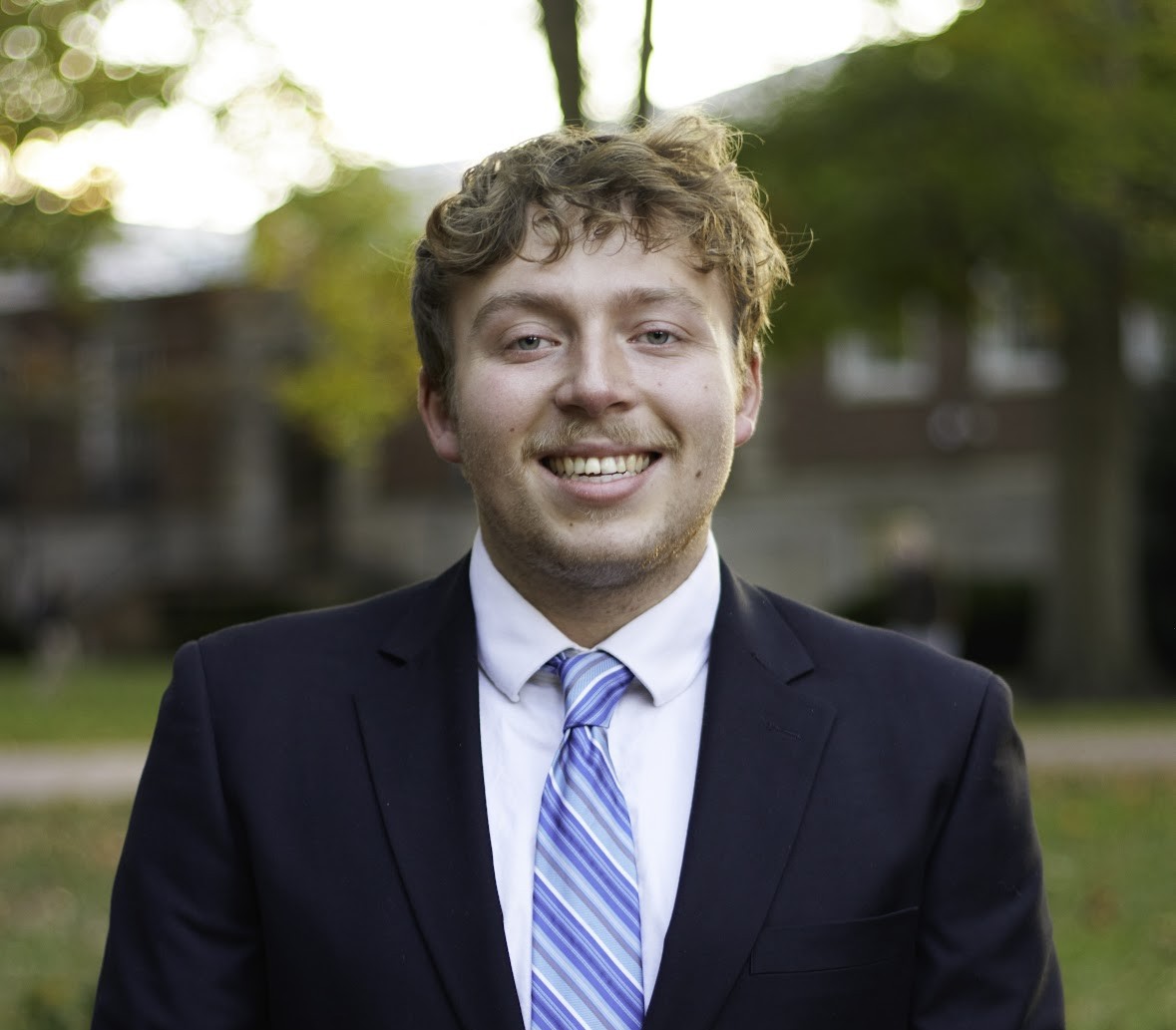

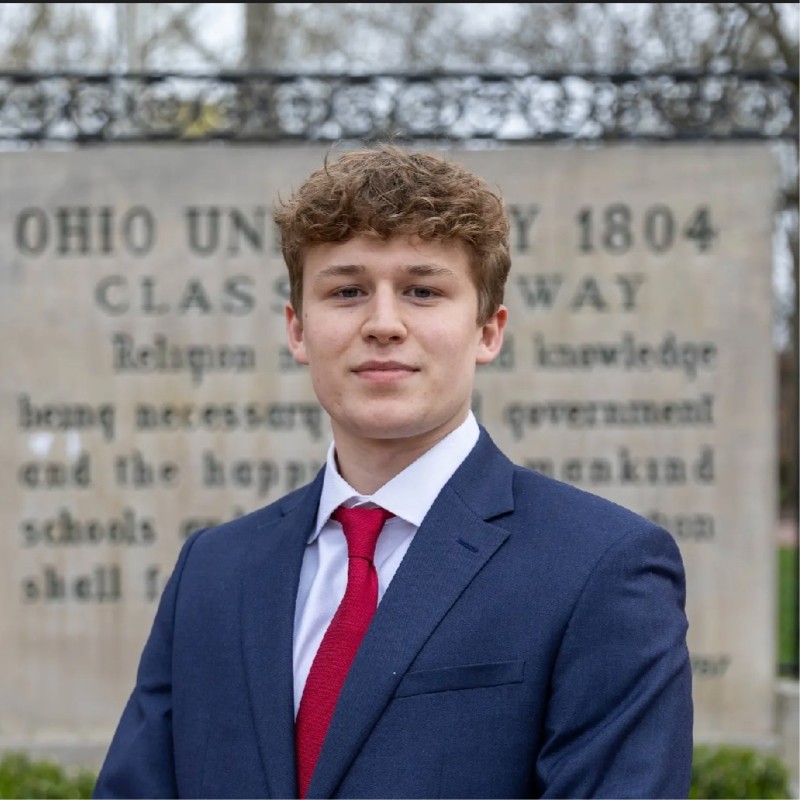
While the students are on different educational paths, they all have a shared interest in bringing new opportunities to the Appalachian region. We talked to Kellersmith and Meyer and took a closer look at their roles, experience with the program, and what they hope to achieve in the future through the AEIF.
Students apply for the program for a variety of different reasons. Kellersmith was interested in the opportunity to develop knowledge and experience in “the startup atmosphere.”
Similarly, Meyer was drawn to the program to learn more about startups and venture capital in Appalachia. He was drawn to the opportunity by a notice about the program from the Center of Entrepreneurship.
“The program started out as webinars with an optional capstone and application process to earn a spot as an intern. I really enjoyed the way venture capital challenged my analytical skills in a unique way, so I decided to pursue the internship.”
The program provides variety in both responsibility level and tasks. Meyer researches prospective companies for funding and recommends whether they should be invited to pitch their organization to AEIF.
“If we decide to move forward to a pitch, then I would reach out to a founder to start organizing a pitch,” he explains. “Even after a pitch, additional research may be needed to verify certain aspects of a company and the market. This is where due diligence would be connected to do further research into a company and its market before coming to a decision about funding.”
Students in Appalachian educational institutions are sometimes unaware of the opportunities that exist within it, but the program can open students’ eyes to avenues for learning more about investing and entrepreneurship.
“This has greatly expanded my knowledge of both entrepreneurship and investing,” Kellersmith says. “Growing up in a small town, the concept of ‘venture capital’ was always foreign to me. This program has allowed me to first learn about some of the intricacies of venture capital and then apply what I’ve learned with a hands-on approach.”
The program introduces students to real experiences in the investment and entrepreneurship space.
“Although I am an engineering student, this program has allowed me to apply some of my technical expertise and past entrepreneurial experiences in a way that has the ability to stimulate a meaningful impact on the Appalachian region,” Kellersmith says. “I have found that these diverse experiences make me an asset to my team. Not only has this program increased my confidence in my ability to pursue a career in finance or entrepreneurship, I think it is a career that I want to pursue.”
All students in the Appalachian region have the opportunity to take the course and be selected for the internship through the AEIF. The students provided some advice for any students considering applying.
Kellerman says he was able to succeed even though he “didn’t know anything about venture capitalism” before the program and encourages students to apply. Meyer agrees.
“Get involved in start-up culture as soon as possible,” says Meyer. “Talk to the people at the Center for Entrepreneurship here at Ohio University, sign up for start-up weekend in Athens, and keep an eye out for the next AEIF webinar invite.”
Jeremy Kimmel, Ph.D., an advisor with REDF, is eager to see where these students go in their careers through the fund.
“Developing the next generation of leaders in the regional startup ecosystem is a core objective of the Appalachian Emerging Investors Fund,” he said. “Alex, James, and William distinguished themselves through their drive, intellectual curiosity, and thoughtfulness. We’re excited to have them join AEIF as interns and look forward to seeing them develop as leaders in the innovation economy.”