

Workplace Behavioral Wellness Promotion ECHO
Employee behavioral wellness is a critical determinant of organizational success and financial health. Chronic employee stress and mental health challenges directly affect the bottom line, leading to declined productivity, increased absenteeism, and higher costs associated with turnover and healthcare claims. Organizational leaders, supervisors, and professionals are invited to explore how workplace cultures that promote behavioral wellness support employee retention, well-being, and organizational success.
Each of the six sessions in this ECHO series offers the actionable strategies necessary to address stigma and implement structural supports, leading to tangible returns on investment through improved employee retention and enhanced productivity.
Register once and attend as many sessions in the series as your schedule allows. All sessions will be held the 2nd Wednesday of the month from 12:00 p.m.— 1:00 p.m. EST
Note: After registering, you will NOT automatically receive an Outlook calendar invitation. Instead, a link to join the session will be emailed to you approximately 30 minutes before each ECHO session starts. We strongly recommend that you block the time on your Outlook calendar in advance to ensure you do not miss the session.
We are seeking participants to share details about a challenge they are experiencing, and is aligned with each session. Discussing real-world challenges helps participants learn from one another by exploring challenges, strategies, and identifying solutions. If you are interested in finding a solution to your challenge during a session, please submit a situation for consideration. Upon submission, the ECHO Coordinator will reach out to schedule a brief, friendly meeting to walk through the process, answer questions, and ensure we understand your goals so we can support you effectively.
Continuing Education Credits
Each session is approved for (1) continuing education credit for:
SHRM, PHR, SPHR:
Participants will not be admitted into the session after the first 15 minutes of the session have passed. Upon completion of a brief session evaluation, a session verification code will be provided on the screen after you submit the survey. To receive SHRM, PHR and SPHR continuing education credits, please upload the session verification code will be provided with a code at the end of each session. Participants will be responsible for uploading this code directly into their SHRM portal to receive their CEs.
Health Education (CHES/MCHES):
Advanced and Entry Level Category I CECH earned for each session is reported the National Commission for Health Education Credentialing on a quarterly basis: April 15th, July 15th, October 15th, January 15th. ECHO participants will not see their earned credits until after each reporting deadline. Participants must complete each session evaluation in its entirety within 48 of each session to earn their CEs. Partial Category I CECH may be earned in 15-minute increments. Participants will receive a certificate of completion within 21 days of the event.
Ohio Peer Recovery Supporters:
Ohio Peer Recovery Supporters will receive a certificate of participation to be applied to their continuing education requirements within 21 days of the session. Partial credit cannot be awarded. Participants must complete each session evaluation in its entirety within 48 of each session to earn their CEs. Please click here for more details.
Prevention:
Continuing education credits (insert domain) for Ohio’s certified Prevention Professionals (RA, OCPSA, OCPS, OCPC) are provided by PreventionFIRST!. Partial credit cannot be awarded. Participants must complete each session evaluation in its entirety within 48 of each session to earn their CEs. Participants will receive a certificate of attendance within 30 days of the session. Please contact jlee@prevention-first.org if you have questions about your certificate.
Social Work/Counseling:
Continuing education credits for Social Workers and Counselors licensed by the state of Ohio are pending approval and will be provided by First Capital Cornerstone for Change. Participants must complete each session evaluation in its entirety within 48 of each session to earn their CEs. Partial CEs may be earned in 15-minute increments. Participants must complete each session evaluation in its entirety within 48 of each session to earn their CEs. Participants will receive a certificate of completion within 21 days of the event.
Sessions
January 14, 2026, 12-1PM - The Retention Imperative: Strategies to Support Workplace Behavioral Wellness
View the recording. Log in to your ECHO account to view the available resources and slide deck.
Description:
In this session, participants explore how a strong behavioral wellness culture directly influences retention, productivity, and overall organizational stability. The discussion highlights leadership behaviors and communication practices that promote civility, psychological safety, and trust on teams.
Learning Objectives:
- Explain the direct correlation between a strong behavioral wellness culture and key organizational outcomes like talent retention and productivity.
- Identify and discuss leadership behaviors and communication techniques that actively foster civility, psychological safety and trust on teams.
Speakers:
Brandi Allen, MA, LPC
Director of Workplace Health
Mental Health America of Ohio

Bailey Fullwiler, MSSA, LSW
Leadership Academy Program Manager
Mental Health America of Ohio
February 11, 2026, 12-1PM - Challenging Stigma: Encouraging Authenticity to Build a Culture Free of Judgment
View the recording.
Description:
In this session, participants examine how stigma appears in both overt and subtle ways across the workplace. The session focuses on recognizing different types of stigma and identifying organizational policies and communication patterns that may unintentionally reinforce judgment or silence.
Learning Objectives:
- Differentiate between various forms of stigma.
- Analyze current workplace policies and communication patterns that unintentionally reinforce stigma.
Speaker:

Adjunct Faculty, Communication Department
Life Coach and Trauma Support Specialist, A Sound Mind Counseling
Xavier University
March 11, 2026, 12-1PM - Bridging the Generational Divide: Considering Varied Behavioral Health Perspectives for Team Success
View the recording.
Description:
In this session, participants consider how generational experiences, expectations, and caregiving responsibilities shape behavioral health needs in the workplace. The session explores how these factors influence engagement and productivity, and highlights strategies that support collaboration and work-life balance.
Learning Objectives:
- Describe the core differences in work styles, communication preferences, and expectations among active workplace generations.
- Identify strategies to leverage generational differences as a source of collaboration and innovation, rather than conflict.
Speaker:
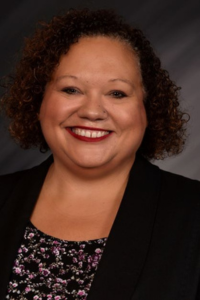
Kathy Lechman, PhD
Assistant Dean, Faculty and Staff Affairs
Interim Director of the Office of Academic Programs
College of Food, Agricultural, and Environmental Sciences
The Ohio State University
April 8, 2026, 12-1PM - Supporting the "Second Job": Strategies to Sustain Employee Success Amid Family Caregiving
View the recording.
Description:
In this session, participants explore the wide range of caregiving responsibilities employees manage outside of work and how these responsibilities shape wellbeing, engagement, and performance. The session highlights workplace practices and policies that reduce strain and support sustained employee success.
Learning Objectives:
- Identify the broad range of family caregiving roles currently impacting the workforce and articulate the associated challenges to employee focus and productivity.
- Explore how unaddressed caregiving demands affect key organizational metrics and identify practices and policies that support work-life balance.
Speaker:

Founder & Executive Director
Courage to Caregivers
May 13, 2026, 12-1PM - Navigating Behavioral Health Conversations: Guiding Employees to the Right Care at the Right Time
View the recording.
Description:
In this session, participants learn how to approach behavioral health conversations with empathy, clarity, and appropriate boundaries. The session reviews common behavioral health resources—including EAPs, benefits, and community supports—and outlines how to effectively guide employees to the right level of care.
Learning Objectives:
- Apply professional boundaries to behavioral health conversations by using non-judgmental communication to initiate dialogue and prioritize listening and appropriate referral.
- Identify Available Resources: Outline the core behavioral health resources available to employees (e.g., EAPs, benefits, community referrals) and the typical pathways for accessing them.
Speaker:

Program Coordinator
The Fairfield County Alcohol, Drug Addiction and Mental Health (ADAMH) Board
June 10, 2026, 12-1PM - Building Emotionally Intelligent Workplaces Across Generations
View the recording.
Description:
In this session, participants move from understanding generational differences to putting that awareness into practice. Drawing on principles of emotional intelligence and evidence-based communication, the session equips workplace leaders with tools to navigate behavioral health conversations across generational lines. Participants will explore how emotional self-awareness, empathetic listening, and clear expectations work together to build psychologically safe teams where both support and accountability can thrive.
Learning Objectives:
- Apply emotional intelligence skills, including self-awareness and empathy, to navigate generational differences in workplace behavioral health conversations.
- Utilize evidence-based communication strategies to foster psychological safety and support employee well-being across diverse teams.
Speaker:

Kelly Barry, MS, CHES
Health Promotion Manager
Elevance Health
September 09, 2026, 12-1PM - Presenteeism and Burnout: Recognizing the Hidden Costs of Workplace Stress
View the recording.
Description:
Employees who are physically present at work but struggling with burnout, stress, or other behavioral health concerns may experience reduced productivity, lower engagement, and increased risk for future health challenges. This session will explore the relationship between burnout and presenteeism, examine workplace factors that contribute to employee distress, and discuss practical strategies organizations can use to support workforce well-being and performance.
Learning Objectives:
- Define burnout and presenteeism and describe their impact on employees and organizations.
- Identify strategies employers can use to promote employee well-being and reduce burnout-related risks.
Speaker:

Kristen B. Bertke, M.Ed., MCHES, NBC-HWC, CDCES
A Corporate Health & Wellness Coach
Situation Presenter:

Jessica Zavala, M.P.A.
Director
Ohio Program for Campus Safety and Mental Health
October 14, 2026, 12-1PM - Supporting High-Achieving Employees: Identifying Needs Beyond Performance
Description:
Employees who maintain high levels of performance may still experience significant behavioral health challenges that go unnoticed. This session will explore barriers that prevent high-performing employees from seeking support, including stigma, professional identity, and workplace culture. Participants will discuss approaches for recognizing concerns, fostering psychological safety, and creating environments where employees feel comfortable accessing available resources.
Learning Objectives:
- Describe factors that may prevent high-achieving employees from seeking behavioral health support.
- Identify strategies for promoting help-seeking and psychological safety within the workplace.
Speaker:

Policy Director
Healthcare Regulatory & Advocacy Leader
Ohio Professionals Health Program
November 04, 2026, 12-1PM - Recovery-Friendly Workplaces: Creating Environments That Support Recovery
Description:
Recovery-friendly workplaces foster environments where employees in recovery can thrive and contribute meaningfully to organizational success. This session will provide an overview of recovery-friendly workplace principles, discuss the benefits of recovery-supportive policies and practices, and highlight opportunities for employers to reduce stigma and strengthen workforce retention.
Learning Objectives:
- Describe key principles of a recovery-friendly workplace.
- Identify workplace practices that support employees in recovery and reduce stigma.
Speaker:

Community Health Advisor
RecoveryOhio
December 09, 2026, 12-1PM - Whole-Person Well-Being: Understanding the Many Dimensions of Wellness
Description:
Employee well-being is influenced by a variety of interconnected factors that extend beyond physical and behavioral health. This session will introduce a whole-person approach to wellness and explore how multiple dimensions of well-being contribute to employee health, engagement, and workplace success. Participants will consider how individual, social, environmental, and organizational factors influence overall well-being and workplace outcomes.
Learning Objectives:
- Describe the concept of whole-person wellness and its relevance to employee well-being.
- Identify opportunities for workplaces to support wellness across multiple dimensions.
Speaker:

Senior ASPIRE Project Administrator
Miami University