Image

Melissa McCrady has worked in health care her entire life. An occupational therapy assistant, she spends her days teaching pediatric patients with disabilities skills they can use to lead healthy, productive lives.
“Oh, I love it,” she says. “It’s incredibly rewarding work.”
As a health care worker, finding the best solutions for her patients’ needs is what she’s good at. But when it came to managing her own health following a Type 2 diabetes diagnosis in 2021, the best solution seemed impossible to find.
Over the course of four years, McCrady was in and out of hospitals, on and off medications, rapidly losing weight and, despite “eating healthy and not consuming many carbs,” nothing could get her blood sugar under control. When she went through a second episode of diabetic ketoacidosis (DKA), a potentially life-threatening condition, which landed her in the ICU for three days in 2025, she was desperate for a change.
“I was at a breaking point,” McCrady recalls.
At the suggestion of her doctor, she met with a diabetes educator through the Prevention Education and Navigation (PEN) Program at Ohio University's Heritage College of Osteopathic Medicine Diabetes Institute. Then, according to McCrady, within one minute of speaking with the educator, the breakthrough she was desperate for finally arrived.
“After telling her everything I'd been going through, she instantly knew,” said McCrady of her diabetes educator, Hollie Goodell. “She said, ‘I don’t even need to know your test results, just hearing what you had to say…I think you’re a Type 1 diabetic.’”
Further testing then confirmed the proper diagnosis, and McCrady was finally able to begin receiving more appropriate treatment.
“It’s the best thing I ever did,” she said. “I feel like I'm on the road to success. I'm doing so much better, and I don’t think I’d be able to say that without Hollie.”
McCrady's is just one testimony illustrating the life-changing impact of the Heritage College’s Diabetes Institute's Prevention, Education and Navigation (PEN) Program, which provides free, individualized services to help Southeast Ohio residents prevent diabetes, manage the condition and overcome barriers to care.
In a region where diabetes is particularly prevalent, those services are a significant matter of public health. According to a 2017 needs assessment conducted by Diabetes Institute researchers, approximately one in five residents in the region was living with diabetes, a figure that did not include those with prediabetes.
Karie Cook, director of operations for the Diabetes Institute, said the PEN Program is designed to make diabetes care more accessible while giving patients the tools and confidence to take control of their health.
“The Diabetes Institute's focus is to create programs that are accessible for every person in the community that needs them, so we offer them at no cost.” Cook said.
The PEN Program approaches that mission through a three-pronged approach, prevention, education and navigation.
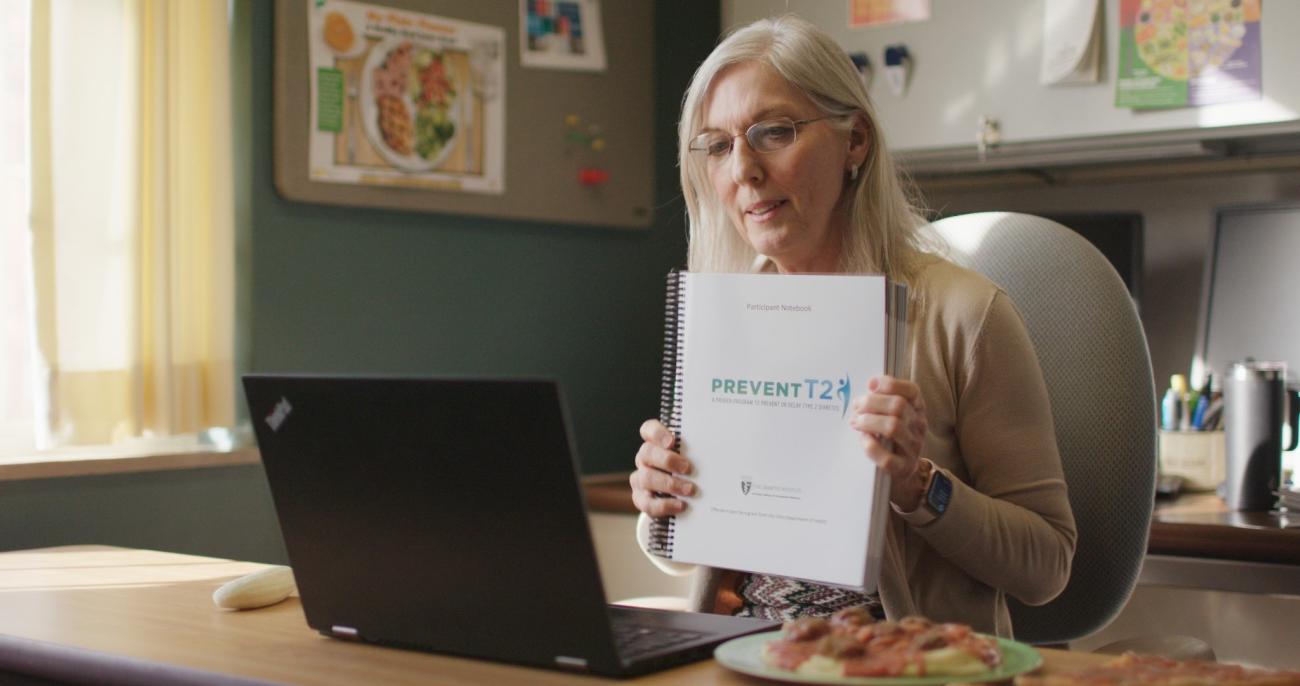
The prevention services the PEN Program offers are for individuals with prediabetes. It includes the yearlong lifestyle-change course, Prevent T2. Through weekly virtual sessions, participants learn strategies for improving nutrition, increasing physical activity, managing stress and making sustainable changes that can reduce their risk of developing Type 2 diabetes.
Recently, the program earned Full Plus Recognition from the Centers for Disease Control and Prevention—the organization’s highest recognition tier—reflecting the program's success in meeting rigorous standards for participant retention and other measures of effectiveness.
For those already living with diabetes, the institute's accredited Diabetes and Me education program provides instruction and support for managing blood sugar, understanding medications and incorporating healthy habits into daily life.
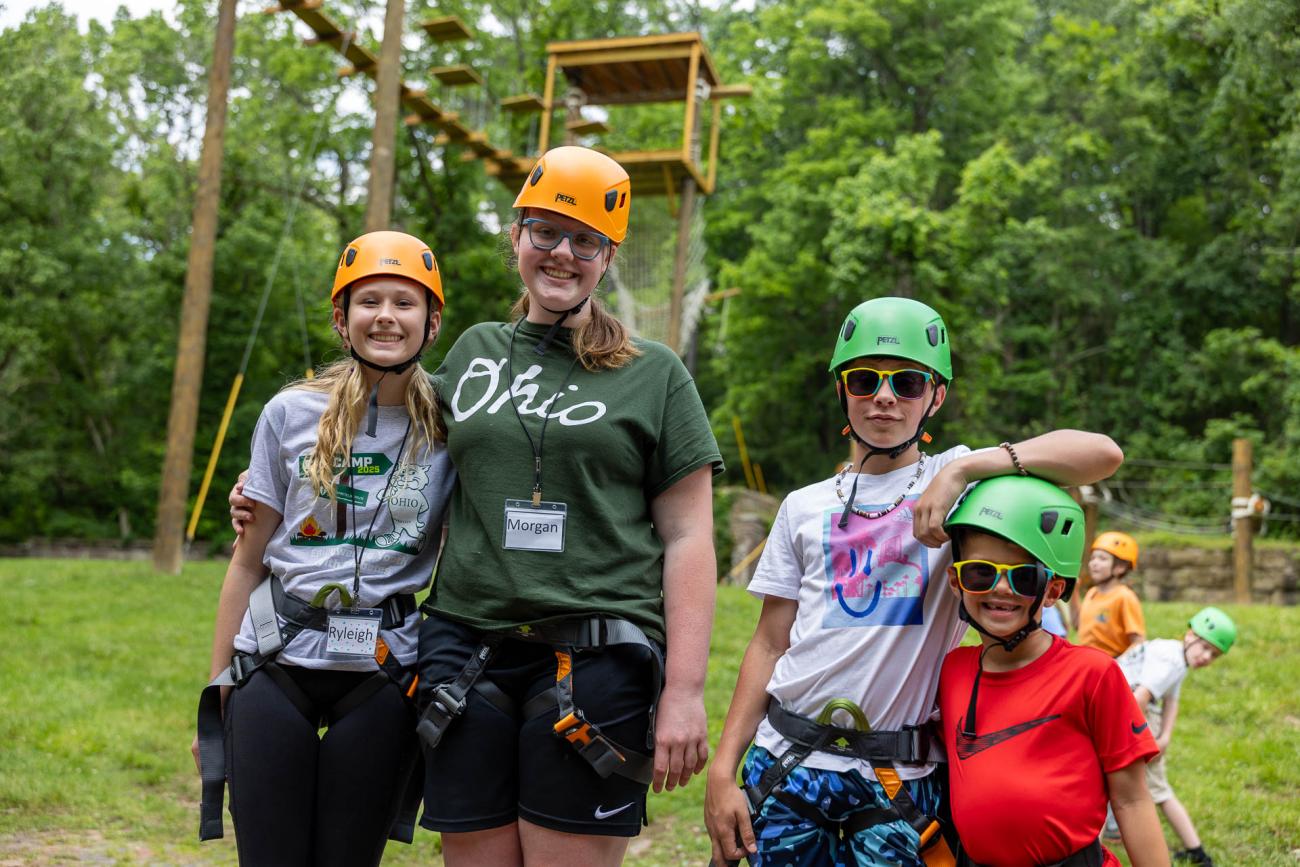
Educational outreach also extends to younger patients through Cat Camp, a weeklong summer day camp for children ages 8 to 17 with Type 1 diabetes. In addition to teaching diabetes management skills, the camp helps children and their families build relationships with others navigating similar experiences.
“A lot of these kids might not know anybody else that has diabetes because we live in such a spread out, rural region,” Cook explained. “When they come to camp, it helps them realize that they're not the only kid going through this and they can live a healthy, full life with diabetes.”
The program's third component, nurse navigation, provides personalized guidance for patients and families navigating the complexities of diabetes care.
In addition to working as a diabetes educator, Hollie Goodell also serves as the Diabetes Institute’s Nurse Navigator, working with patients one-on-one to address challenges ranging from understanding treatment plans to obtaining medications and supplies. She also collaborates with families and local schools to support children managing diabetes throughout the school day.
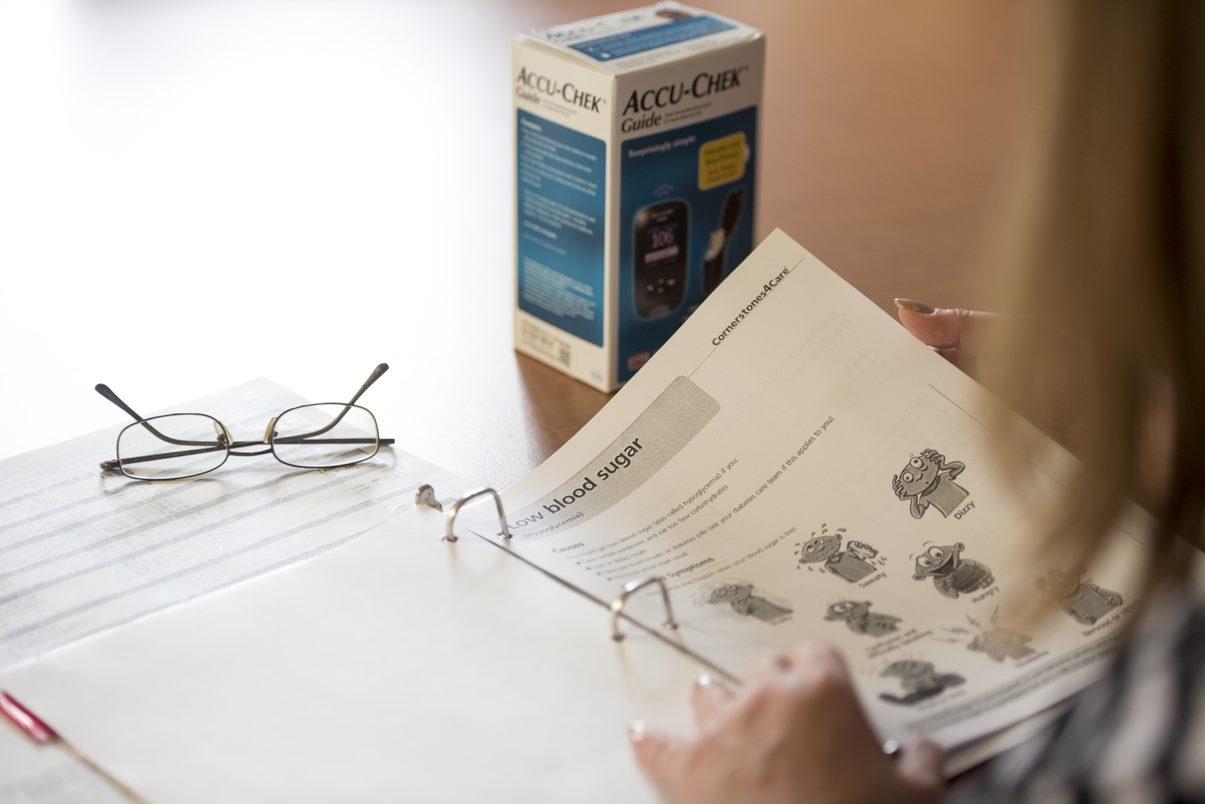
For Rick Conley, a self-described “stay-at-home dog dad” and one of Goodell’s patients, that individualized attention made all the difference when it came to managing an overwhelming diagnosis.
In Spring 2025, Conley was hospitalized after experiencing severe dizziness and vision problems.
“I was going blind is the best way I can explain it,” he recalls. “I couldn’t see anything past as far as my hand would extend, and I was dizzy”
By the time he sought treatment, his blood sugar had risen so high that hospital staff initially struggled to obtain a reading. He was diagnosed with Type 2 diabetes and spent three days in intensive care with DKA.
Following his diagnosis, Conley faced the daunting task of learning to manage a chronic condition requiring constant attention to his blood sugar, medication and daily routines. Goodell became an invaluable source of guidance and reassurance.
“Hollie was the best support for diabetes management that I was getting,” Conley said. “I could text her at 8 o'clock at night and be like, ‘What does this mean? Should I take more insulin? What do I do?’ And she would walk me through it.”
With Goodell's support, Conley brought his A1C, a measure of average blood sugar over time, under control. Crucially, however, he also gained the confidence to manage his condition independently.
“Without Hollie I wouldn't be at this point, I probably would have given up,” said Conley “When I would feel just defeated, like I can’t do it anymore, I would text Hollie, and she’d be there to remind me to stay in it, do what I have to do to stay healthy…she’s just amazing.”
Both Conley and McCrady's stories demonstrate why the program's individualized approach matters. By offering services at no cost, with both virtual and in-person options, the institute is reducing barriers to care that might otherwise prevent patients from receiving the support they need. But on a larger scale, Cook also hopes the PEN Program shows patients living with diabetes that their diagnosis does not have to define them or their future.
“Behavior change is hard, everybody's in a different spot,” said Cook. “But living a healthy life with diabetes is absolutely possible.”