Image
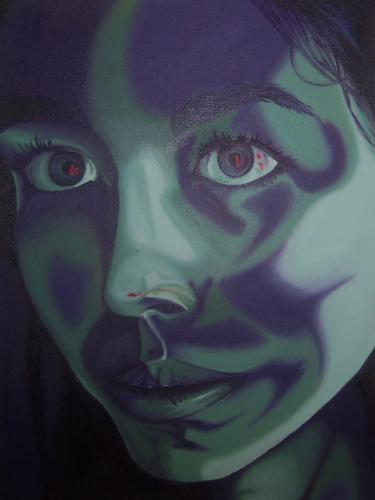
This year marks the 10th anniversary of ART-ery, the online literary and artistic journal produced by the Humanism in Medicine Club at the Ohio University Heritage College of Osteopathic Medicine.
Since its launch in 2016, the publication has showcased creative work from students, faculty and staff across the Heritage College’s campuses while reinforcing the connection between art and medicine. Those involved say it also serves as a reminder that medical students are more than future physicians. Many are artists, writers, musicians, photographers and storytellers whose creative pursuits help shape the humanistic approach they bring to patient care.
“Being a doctor is only one aspect of who we are. There are many other aspects, and sometimes those are what form the foundation of the human-to-human connection that makes the difference between a good doctor and a great doctor,” said Robin Newburn, D.O. (’93), associate clinical professor and chapter advisor of the college’s Gold Humanism Honor Society Chapter.
Ten years ago while looking for a creative outlet, she got the idea of starting the journal and took it to the Humanism in Medicine Club, which she had recently formed to help students on the Dublin campus explore the human side of health care and serve as an early pathway to involvement with the Gold Humanism Honor Society.
“I knew that there had to be people like me at HCOM who love both medicine and art – people who could see and appreciate the beauty of both, as well as how much they are interwoven,” Newburn said. “The Humanism in Medicine students really embraced the idea and became very passionate about it quickly.”
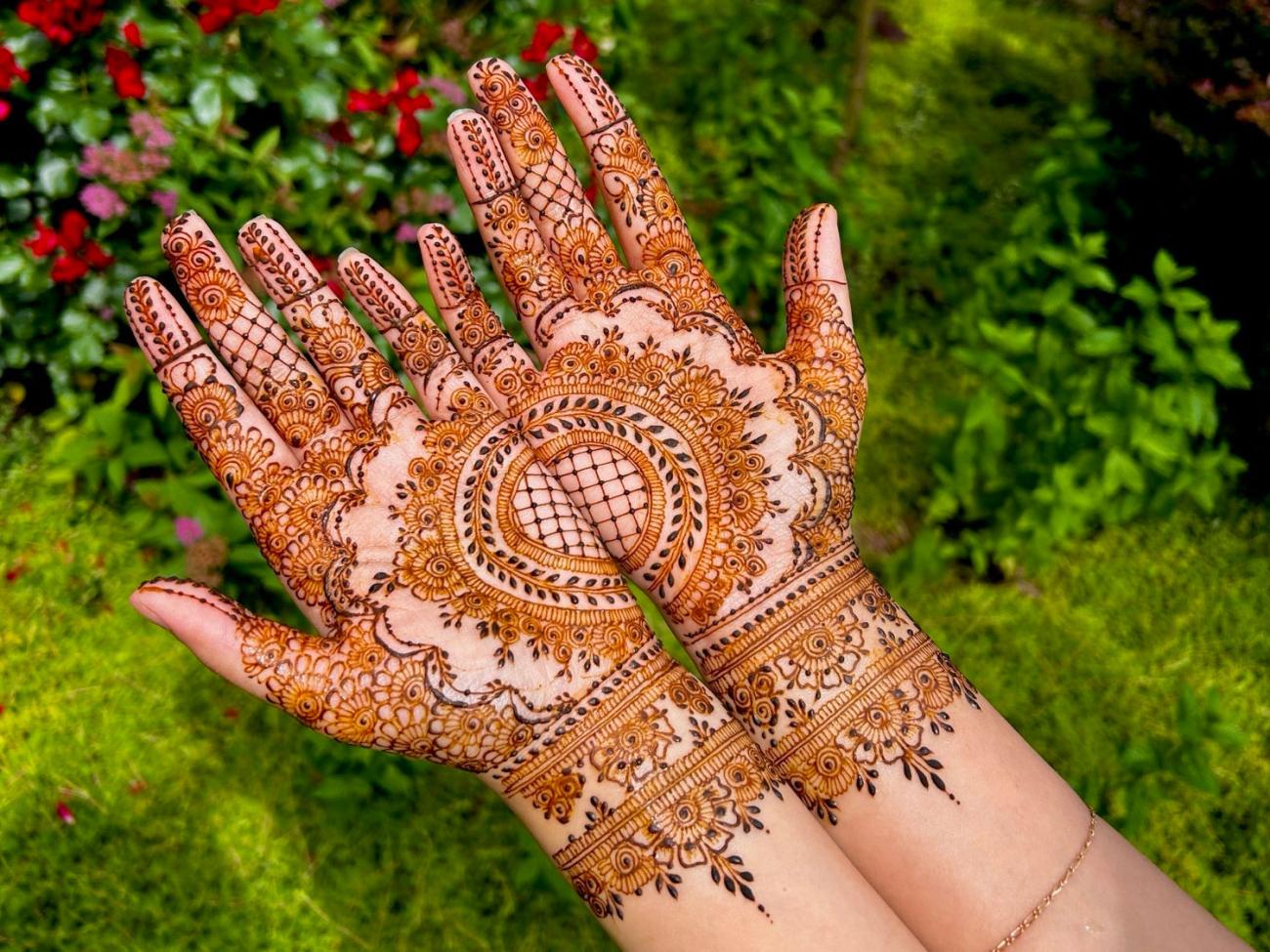
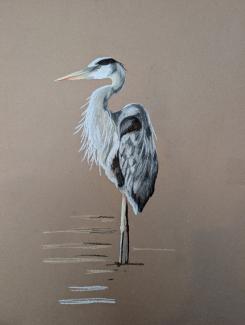
Since its launch, ART-ery, a name chosen by students, has grown into the club’s signature project. Each issue of the annual journal highlights the artistic talents of members of the Heritage College community through poetry, essays, photography, drawings, paintings and other creative works.
It was originally conceived as a print publication. However, the high cost of printing turned it into a digital publication instead, first as a flip book and later as an interactive, multimedia experience.
“What has endured is the level of creativity of the submissions – we have had musical submissions and even handmade furniture,” said Newburn. “The joy people experience on the viewing end has endured as well. Everyone seems to look forward to it, and it has developed a bit of a fan base over the years.”
For third-year student Gwendolyn Richner, who serves as editor of the 2026 issue, ART-ery offers a low-stress, creative way to connect with people outside the pressures of medical education.
“Art feeds my soul,” said Richner. “The journal inspires me to stay connected to my art. I start feeling pretty two-dimensional after too many hours of practice questions and lectures. The journal gives me a reason to use my creativity.”
She believes creative engagement helps prepare students for the realities of patient care, which often extend beyond textbook scenarios.
“ART-ery reminds us that we’re more than the tests and the endless hours of studying,” said Richner. “Engaging with art and creativity helps us step outside the rigid pathways and criteria that dominate our book-learning. When we meet the people that bring a little more chaos to our practice, we can learn to interact with flexibility and open-mindedness inspired by our creativity."
Reflecting on the journal's impact, Newburn said ART-ery continues to fulfill the vision that inspired its creation 10 years ago.
“I have really enjoyed being able to see the creative side of our students, and excited to know that as they move forward into their careers as physicians, they will be able to use that creativity within medicine to bond with their patients and help them thrive,” she said.