Start with 'Hello': Learning Basic ASL
We talked to the president of OHIO’s ASL Club about the best (and fastest) way to begin if you’re interested in learning American Sign Language.
Jack Rohrer, MSJ '26 | February 19, 2026
Share:
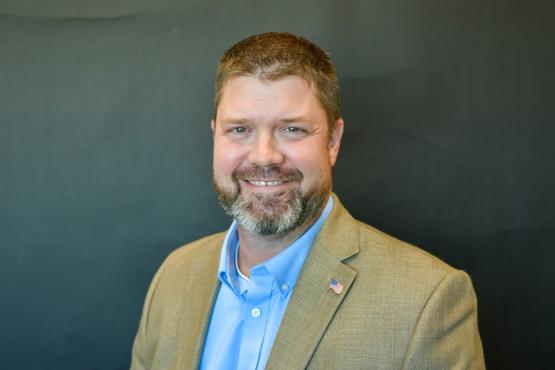
Learning American Sign Language (ASL) offers more than a new way to communicate; it expands access for deaf and hard-of-hearing (HoH) individuals and introduces many to a distinct linguistic and cultural community. For senior Madi Klink, president of the Ohio University ASL Club, learning to sign is about something even more fundamental.
“When you have the ability to communicate, it humanizes everybody’s experience,” she said.
Beginners often start with fingerspelling to introduce themselves and learn the ASL alphabet. Because it allows signers to spell out names and clarify unfamiliar words, fingerspelling is a foundational first step.
Then come greetings, including "hello," "how are you," and "nice to meet you."
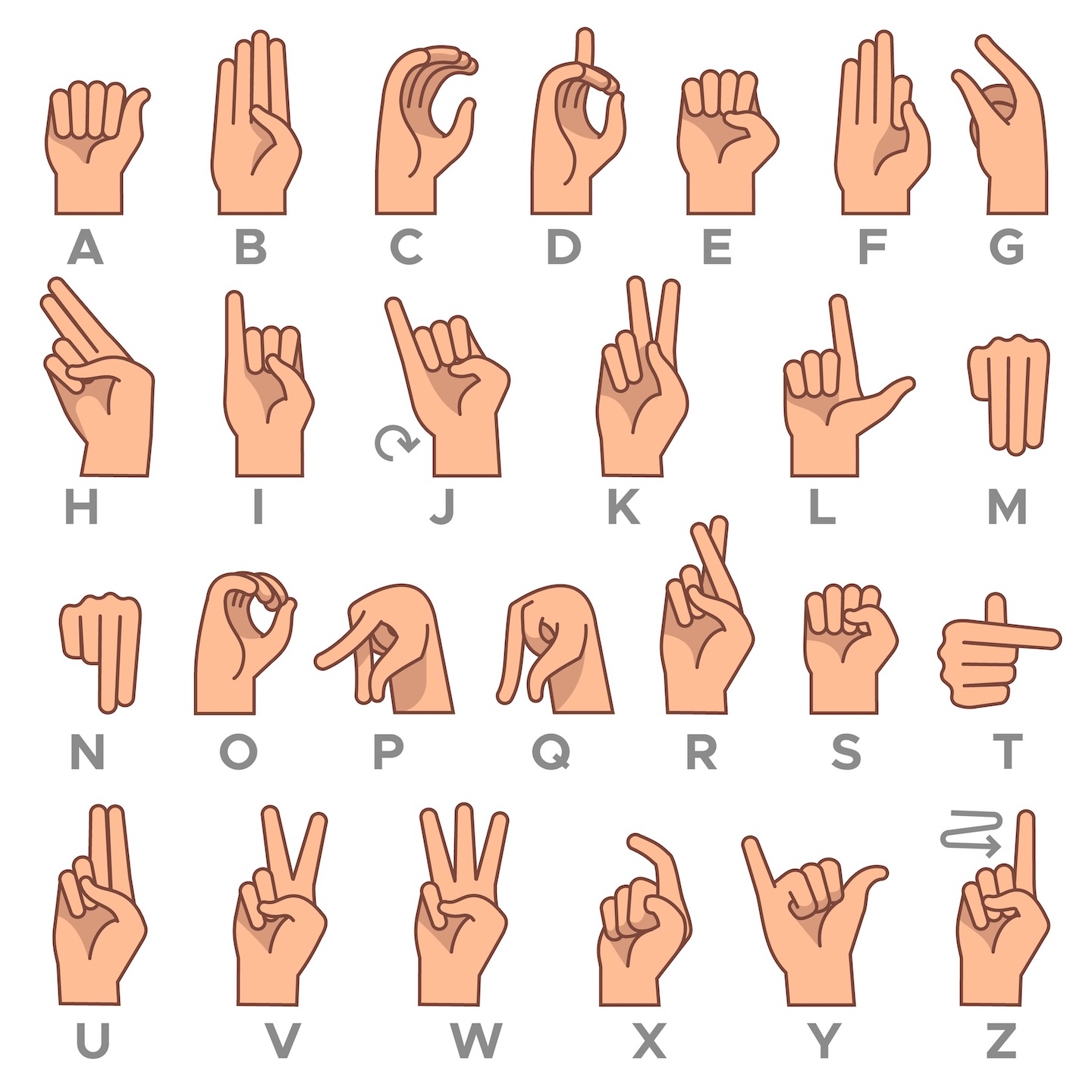
Each letter of the alphabet has a corresponding ASL sign. Fingerspelling, using the signed alphabet to spell words, is ubiquitous.
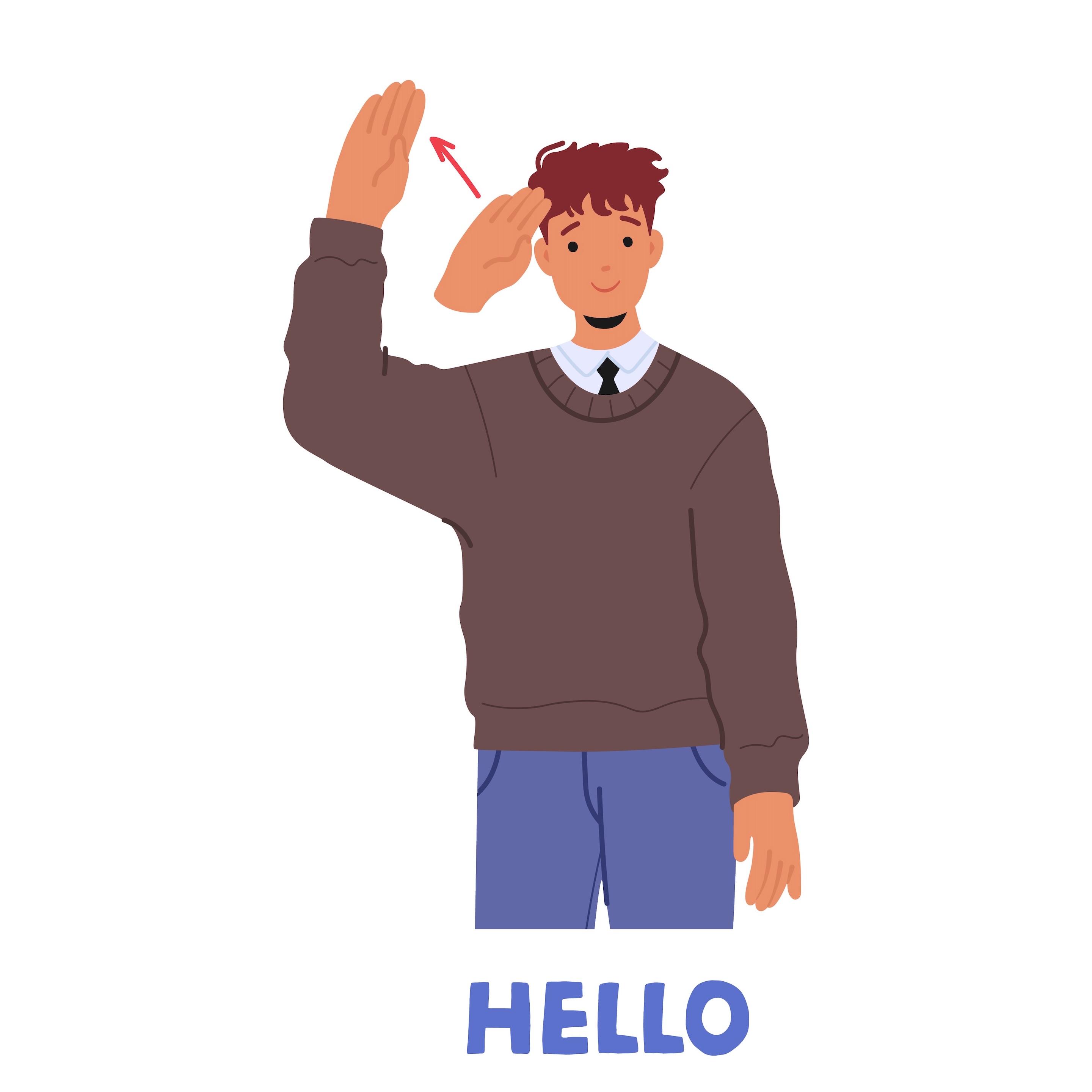
To sign "Hello" in ASL, place the side of your index finger against your forehead in a "B" handshape, then move it outward while smiling.
“Those are a great starting point,” Klink said.
Klink says a common misconception is that ASL is just English on the hands, further emphasizing that many signs or phrases have deeper meanings than their spoken counterparts, including "I love you."
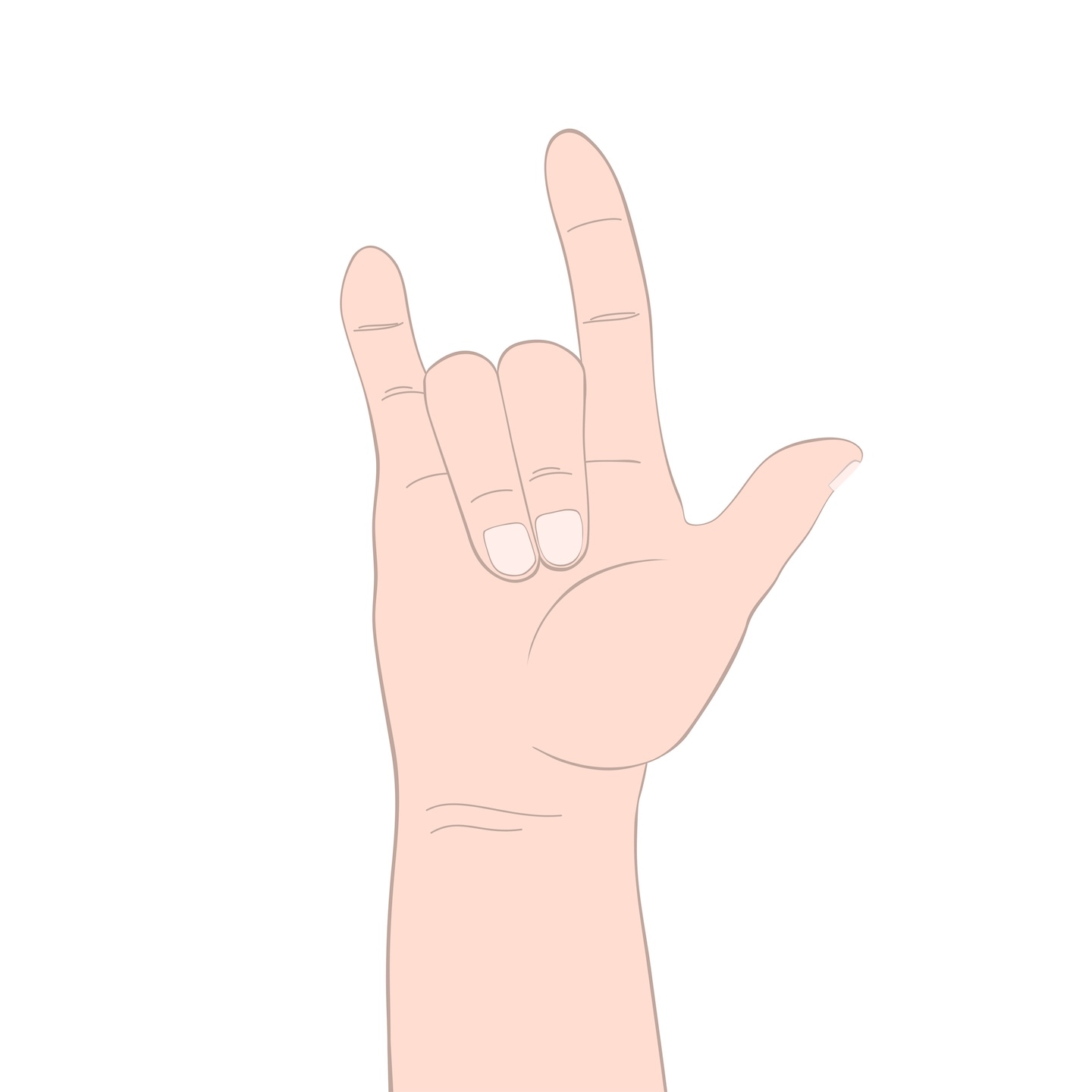
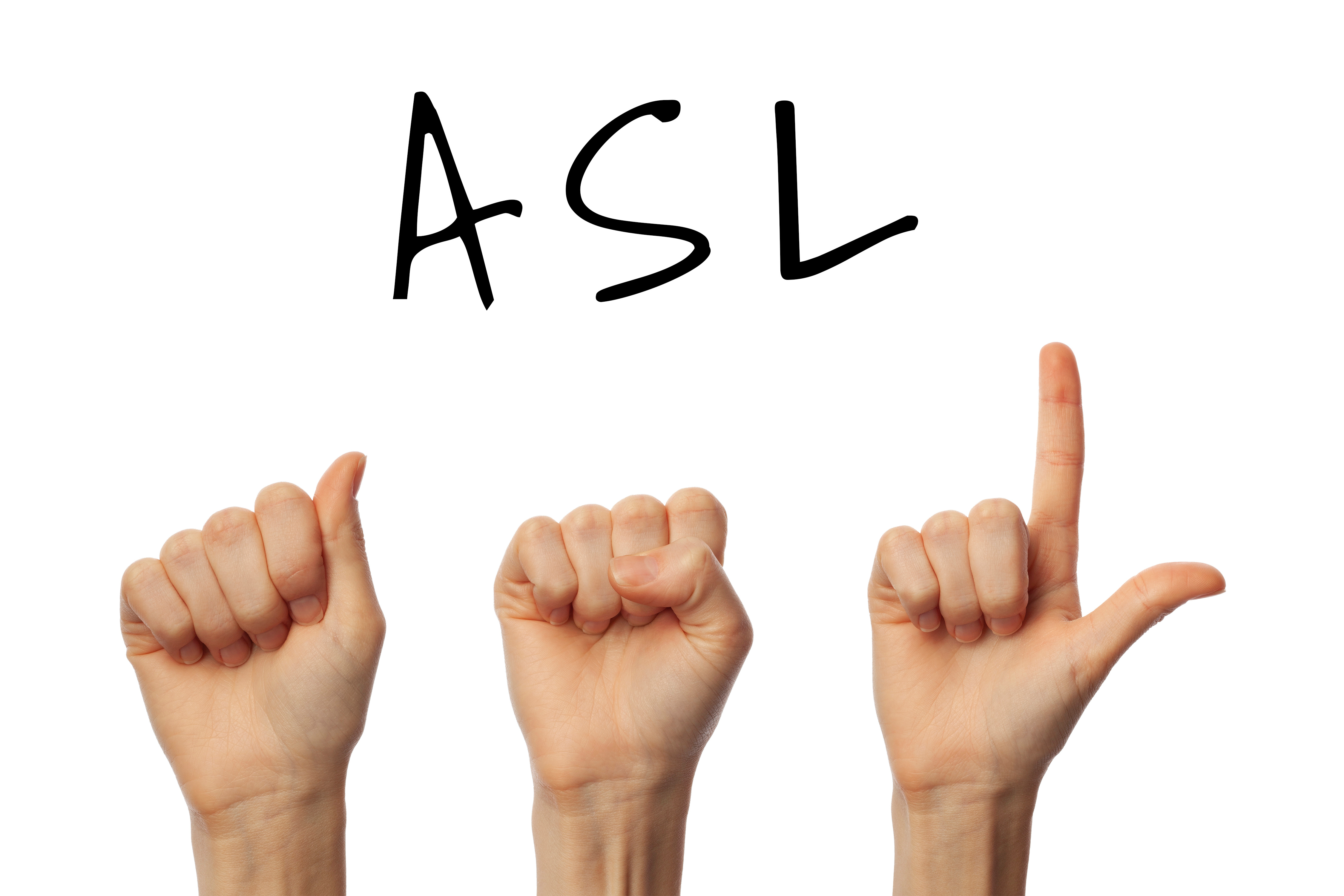
The ILY handshape is a combination of the three fingerspelled letters: I+L+Y ("I love you") with the palm facing outward.
"It's about human connection"
“It’s used by everyone—family, friends, professors alike," Klink said. “Its emphasis and weight signify a deep connection for one another.”
Some signs don’t have a direct translation at all, such as true-biz, a slang sign used similarly to English phrases like “for real,” and “word.” Klink says learning ASL is about more than just the ability to communicate. It helps connect the deaf and hearing communities.
“It’s isolating on both sides,” Klink said. “Finding ways to communicate with each other, regardless of spoken or not-spoken language, teaches us we should always be making efforts to communicate with each other. It’s about human connection.”
Those looking to further their knowledge of ASL or to learn more about the Deaf community and culture are encouraged to join Ohio University’s ASL club. The club makes learning accessible to all students by getting involved with the Deaf community on and off campus through volunteering, attending and sponsoring signing-friendly events, such as signing the National Anthem at campus sporting events.
Learning small phrases creates a sense of community, regardless of if it’s a short interaction or not.
ASL activities
Students learn signs and phrases through various hands-on approaches, literally. Examples include learning how to interact with interpreters when signing with deaf and hard-of-hearing individuals, voices-off escape rooms and even ordering pancakes.
“We’re not concerned with what you know, just your ability and willingness to learn,” Klink said. “Learning small phrases creates a sense of community, regardless of if it’s a short interaction or not.”
Beyond general body meetings, club members have opportunities to enmesh themselves in the culture. One example is the annual seniors-only trip to Gallaudet University during the fall semester. Located in Washington, D.C., Gallaudet is the world’s only higher education institution specifically designed for Deaf and hard-of-hearing students.
Throughout the trip, students get paired up for various activities. Klink said this was a great opportunity for her to practice signing, surround herself in the deaf community and make new connections, including with her former roommate’s twin.
“He felt he didn’t always fit in with the hearing community,” Klink said. “He was incredibly grateful to be there with everyone, as was I.”
Students don’t have to pursue an ASL certificate to participate in the trip, but they must be seniors who have reached ASL 3 or higher, either by completing the coursework or passing a placement test.
Join the club
Klink and other club members encourage students of all backgrounds and skill levels to join. Meetings are held bi-weekly on Wednesdays at 7 p.m. in Morton Hall room 201. Meetings are open to anyone looking to build connections while learning about ASL and the Deaf community.
For more information, you can check them out on Instagram or TikTok.