Image
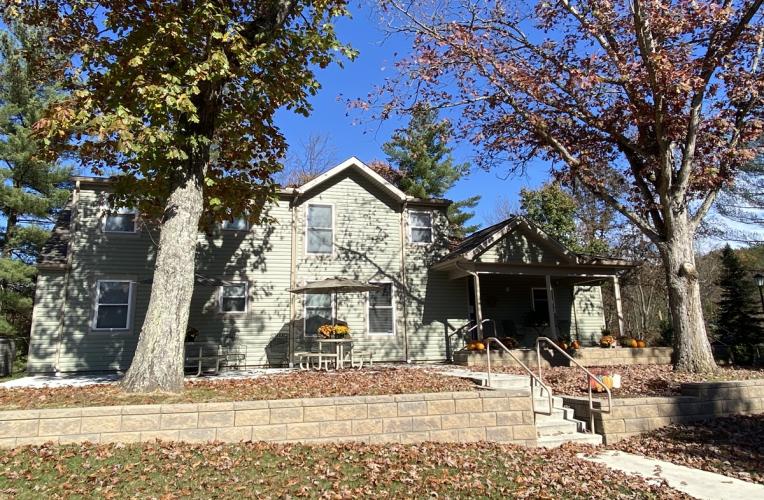
The director of a recovery house for women found herself on a recent snowy morning in Athens clearing a path down its steep, lengthy driveway so the residents could get to work.
Betsy Anderson’s task was a fitting metaphor for Serenity Grove’s mission to help women transition from addiction or incarceration back into society. It’s one of many jobs she has performed over the years while leading the nonprofit group, which she said owes its establishment and ongoing success in large part to the George V. Voinovich School of Leadership and Public Service at Ohio University.
For helping to start up the facility and continued support that includes a recent Social Return On Investment review, Anderson said she and her board of directors are “profoundly grateful” for the OHIO school’s efforts.
“Everything they’ve offered to us has been helpful,” she said.
The SROI, funded through the Athens County Foundation’s John Glazer Impact Funds and the Ohio Department of Higher Education’s Appalachian New Economy Workforce Partnership (ANEP), was conducted by Kelli Coughlin Schoen, director of operations and management of the Impact Measurement Group at the Voinovich School.
“It’s like an ROI except we include social impacts as well,” Schoen said. Those include the benefits of reuniting with children and resulting positive interaction with their parents, the increased confidence of the women and their reintegration into the community.
“We did a series of one-pagers for them that can be used for fundraising and to communicate their impact on taxpayer costs due to recovery from substance abuse and less subsequent use of the criminal justice and healthcare systems,” she added.
The SROI also looked at impacts on the women in terms of their self-perception and the tools they acquired to help them stay sober when they reintegrate. A survey of women who stayed at Serenity House that found about 80% were still employed and all were sober at the time of the survey.
“There were very good outcomes,” Schoen said.
Anderson called working with Schoen “a delight” and an example of the Voinovich School’s ongoing support that support included startup funds and other assistance for the recovery house, which now receives most of its funding through other sources including private donations and the 317 Board, the local ADAMH.
Serenity Grove serves as many as eight women at a time who pay as much rent as they can.
“We make sure they have the shoes they need, the clothes they need,” Anderson said.
The SROI helped to quantify the societal benefits, such as getting residents jobs, in a way that can be shown to donors and grantors. For instance, she said the house has a 100% success rate on that front, thanks to Serenity Grove’s assistance with references, transportation and other services.
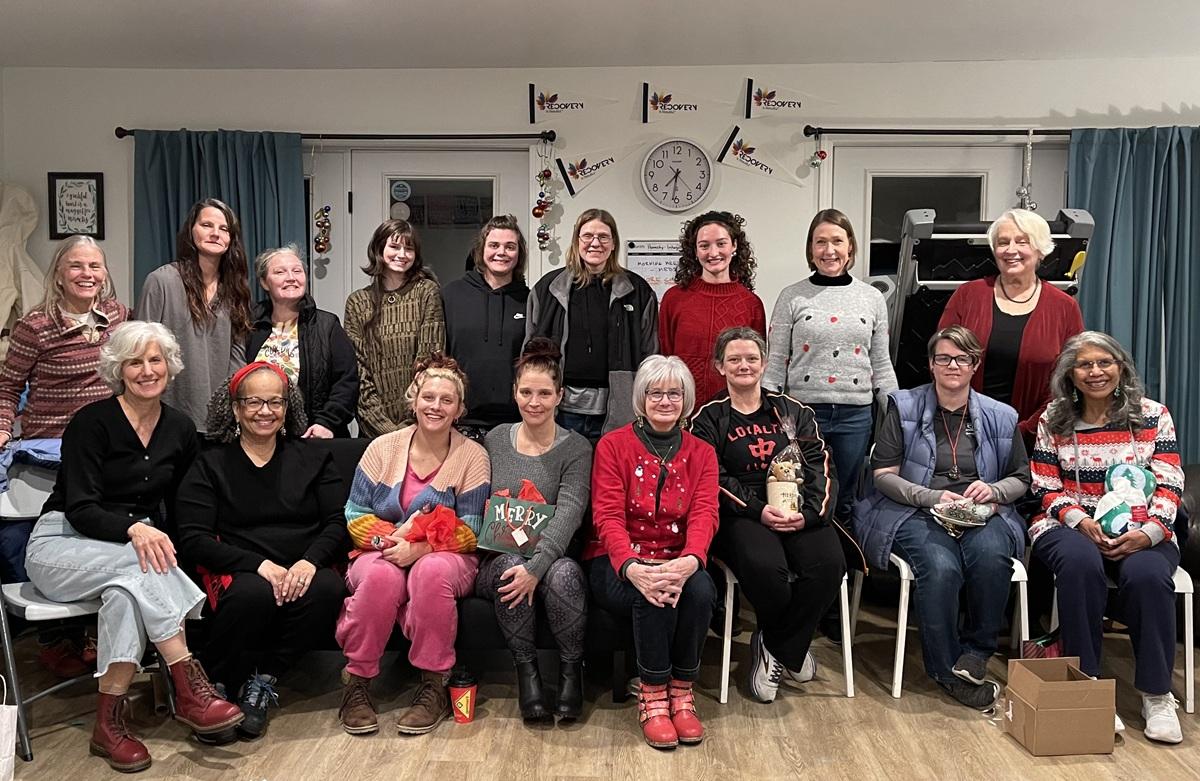
The SROI provided data for the group’s annual direct ask letter, which recently was sent out, Anderson said.
“This year we highlighted the SROI by providing a link to the full report,” along with an overview and taxpayer savings report, Anderson said.
“What we’re hoping as an organization is this becomes something that helps us better show results to people who support the facility,” she said.
Anderson said Serenity Grove has given its residents a reason to stay in the area, reintegrate into society and become taxpaying citizens
“The information she captured helps paint for us such a better picture of how, in so many ways, people are returning to a better quality of life and are somebody who could very much be your neighbor.,” she said.
Schoen said the recovery house has helped fill a void in an area that’s been hit especially hard by the opioid epidemic.
“The picture that emerged is that there are a lot of rehab services across the state but there aren’t a lot of places especially for women in this area where they can go to be stabilized and supported while they transition back to their lives,” she said.
The recovery house is “part of a network of organizations in the Appalachian region that are responding to the opioid crisis,” Schoen said. “You can go through rehab successfully but then have difficulty staying in recovery because substance use is so endemic, because people in your social networks are using or are affected by it, which makes it very difficult to remain sober. So they made a little space in Appalachian Ohio where you can solidify your recovery.”