
Building Resilience for Older Adults in a Changing Environment ECHO
The series is designed to equip public and private sector professionals with actionable strategies to increase resilience for the growing number of older adults facing rapid environmental change. New research and community approaches provide innovations for adapting ongoing efforts and developing new partnerships.
Register once and attend as many sessions in the series as your schedule allows. All sessions will be held on a Wednesday of the month from 12:00 p.m.— 1:00 p.m. EST
Intended Audience
This series is intended for researchers and practitioners in health, gerontology, social work, social services, community development, emergency preparedness, planning, climate resilience, sustainability, hazard mitigation, and disaster risk management.
Continuing Education Credits
Each session is approved for (1) continuing education credit and it is offered FREE of charge.
Acknowledgements
The Building Resilience for Older Adults in a Changing Environment ECHO Series is produced by staff, faculty, and student teams at the Voinovich School of Leadership and Public Service. The applied research and practice insights featured in the series stem from an ongoing Grey Green Alliance collaboration with the Age-Friendly Innovation Center at the Ohio State College of Social Work. Invaluable input was also provided by colleagues at other partner organizations including the Coalition of Age-Friendly Communities of Ohio, Age-Friendly Athens County, Age-Friendly Cleveland, Population Reference Bureau, National Association of Development Organizations, AARP, Ohio Emergency Management Agency, Ohio Department of Aging, and the Ohio Governor’s Office on Appalachia. The Ohio University’s School of Public Service Project ECHO program is supported through funding from the Appalachian New Economic Partnership at the Voinovich School of Leadership and Public Service.
Sessions
September 23, 2026, 12-1PM - A Changing Landscape: Trends in Aging, Environment, and Community Well-Being
Description:
In this session, participants will explore the intersecting trends of population aging, environmental change, and community resilience. They will examine opportunities for those in aging, environmental, and emergency preparedness sectors to collaborate in creating communities that best support older adults.
Learning Objectives:
- Describe the relationship between population aging, environmental change, and community resilience.
- Identify at least two opportunities for cross-sector collaboration to support healthy aging and community resilience.
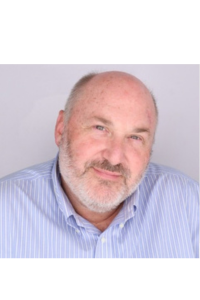
Speaker:
Professor, Environmental Studies Program
Voinovich School of Leadership and Public Service
Ohio University
Situation Presenters:
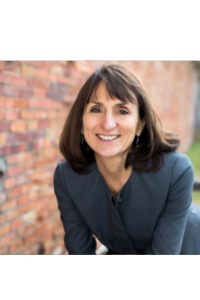
Director
Inquiry That Matters
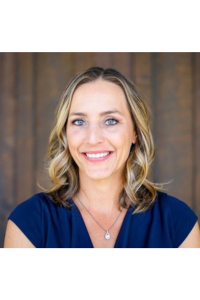
Gerontology & Public Health
UC Davis Health
October 28, 2026, 12-1PM - Finding Common Ground: Aligning Healthy Aging and Community Resilience
Description:
In this session, participants will examine innovative approaches that integrate aging, sustainability, emergency preparedness, and resilience planning. They will explore how Age-Friendly Community frameworks can incorporate sustainability and resilience considerations to promote health, livability, and quality of life.
Learning Objectives:
- Compare Age-Friendly Community frameworks with resilience and sustainability planning approaches.
- Identify strategies for integrating healthy aging principles into community resilience and emergency preparedness efforts.
Speaker:
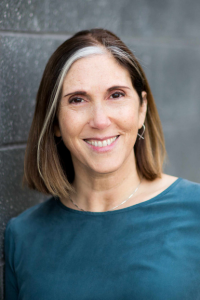
VP of Housing Supply
Enterprise Community Partners
Situation Presenter:
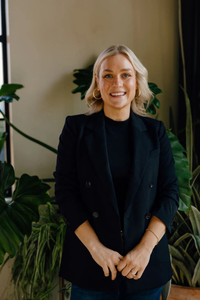
Marisa Sheldon, MSW, LISW-S
Director
Age-Friendly Innovation Center & Age-Friendly Columbus and Franklin County
November 18, 2026, 12-1PM - Beating the Heat: Protecting Older Adults from Heat and Extreme Weather
Description:
In this session, participants will learn how heat and other extreme weather events affect older adults and the systems that support them. They will identify practical approaches for preparedness, response, communication, and recovery that can reduce risk and strengthen community resilience.
Learning Objectives:
- Describe the health impacts of extreme heat and weather events on older adults.
- Apply evidence-informed preparedness, communication, and response strategies to reduce weather-related risks for older adults.
Speaker:
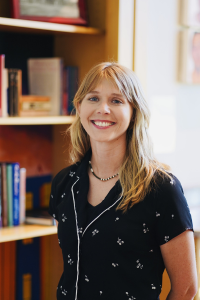
Assistant Professor
University of Tennessee College of Social Work
January 27, 2027, 12-1PM - Weathering the Storm: Building Resilience in the New Era of Flooding
Description:
In this session, participants will learn about the changing impacts of routine and extreme flooding for older adults. They will explore new integrated methods for resilience planning and emergency preparedness in the face of new extreme weather realities.
Learning Objectives:
- Describe the impacts of routine and extreme flooding on older adults and community support systems.
- Analyze resilience and emergency preparedness strategies that reduce flood-related risks for older adults.
Speaker:
Professor & Director, Environmental Studies Program
Ohio University
February 24, 2027, 12-1PM - Aging in Place in a Changing Environment: Housing, Livability, and Resilience
Description:
In this session, participants will explore how extreme weather pose new challenges for housing and community infrastructure, influencing older adults' ability to age in place safely and independently. They will learn strategies that strengthen both livability and resilience.
Learning Objectives:
- Describe how environmental hazards and extreme weather affect housing and the ability of older adults to age in place.
- Identify evidence-based strategies that improve housing resilience and community livability for older adults.
Speaker:
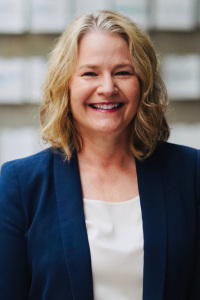
Professor
The College of Social Work
Situation Presenter:
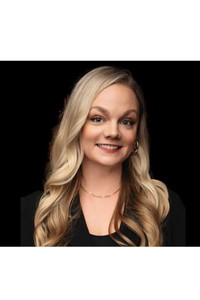
Executive Director
Central Ohio Area Agency on Aging
March 24, 2027, 12-1PM - Powering Healthy Aging: Energy, Sustainability, and Resilience for Older Adults
Description:
In this session, participants will explore how energy efficiency, renewable energy, and sustainability initiatives can improve health, reduce costs, and strengthen resilience for older adults, particularly those living on fixed incomes or in vulnerable communities.
Learning Objectives:
- Describe how energy efficiency and renewable energy initiatives influence health, affordability, and resilience for older adults.
- Identify strategies and community resources that improve energy resilience for older adults, particularly those in vulnerable communities.
Speaker:
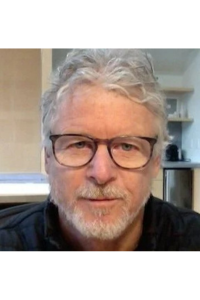
Co-Founder of Electrify Now
Former VP of Sustainable Innovation at Nike Inc.